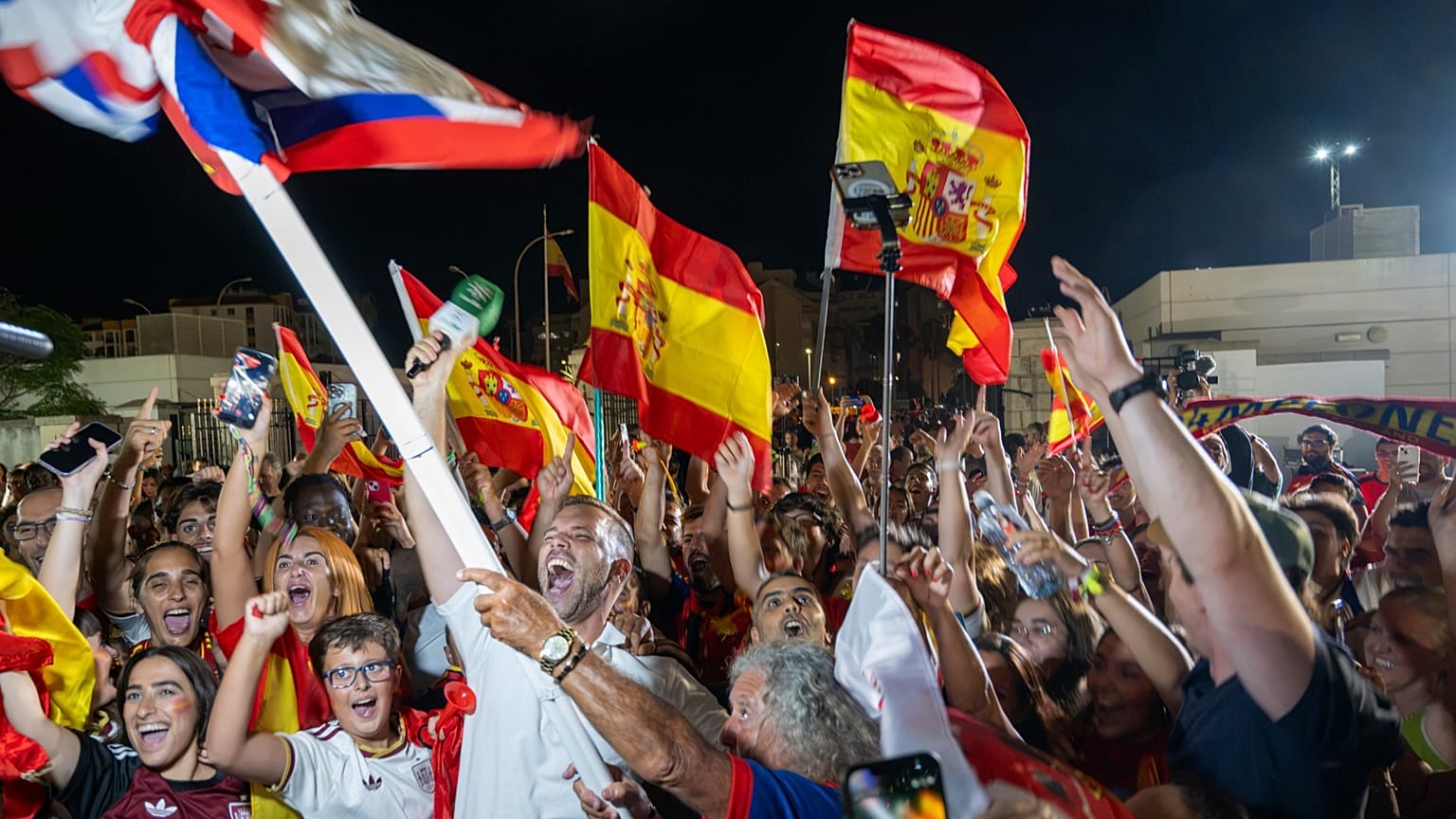

GIBRALTAR – The old chain-link fence came down in pieces over recent weeks, carried away by workers who did not pause to mark its passing. When midnight arrived on Tuesday and passport checks stopped, it was the fence’s absence that finally made the change real for the 15,500 Spanish workers who cross into Gibraltar each day.
Gibraltar and Spain ended border controls between their territories in the early hours of July 15, implementing an agreement signed in Brussels the day before, Euronews reported. EU trade chief Maroš Šefčovič, British and Spanish ministers, and Gibraltar’s Chief Minister Fabian Picardo were among the signatories. The arrangement aligns Gibraltar’s land border with the Schengen passport-free travel zone, ending a post-Brexit stalemate that had left the British territory’s status unresolved for nearly a decade. “Europe is back,” Picardo said at the signing ceremony in Brussels.
The phrase carried more than diplomatic weight. Spain’s then-dictator Francisco Franco sealed the Gibraltar border in 1969 as a political pressure campaign after the territory voted overwhelmingly to remain British in 1967. The territory’s 40,000 residents and the Spanish workers who commute in from La Línea de la Concepción lived with the consequences for years. The border reopened in stages after Spain joined the European Community in 1985 but never fully settled into the normalcy that geography would otherwise suggest.
Brexit, in 2020, reopened the uncertainty. Gibraltar’s departure from the European Union created a new legal gap that left both Gibraltar and Spain negotiating a border regime without a settled treaty basis. The talks proved difficult, and the outcome was never guaranteed.
The agreement signed Monday resolves that gap. Passport checks have been relocated to Gibraltar’s airport and port for arrivals from outside the Schengen area. The land border itself, where tens of thousands of people cross each morning, now operates without them. For British nationals who live in or visit Gibraltar, the practical implications will depend on how the territory’s border infrastructure develops going forward.
Spanish Foreign Minister José Manuel Albares described the arrangement as opening a “new era” of “enormous opportunities.” The diplomatic significance of that language is difficult to overstate. Spain has maintained its sovereign claim to Gibraltar for more than three centuries, and any arrangement integrating the territory more closely with Spain’s hinterland carries political weight in Madrid. That the current government chose to complete the deal rather than let it stall again represents a deliberate choice about what matters more right now.
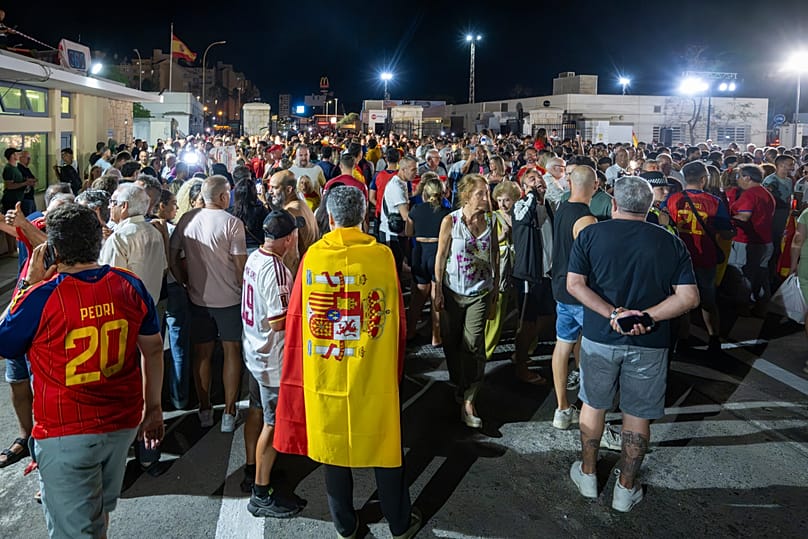
The economic case for the change is substantial. Gibraltar covers just 1.7 square miles and generates one of the world’s highest per capita incomes through financial services and online gaming. Its labour market depends on cross-border Spanish workers, and the friction of formal passport checks has been a practical constraint on hiring. Owen Smith, head of Gibraltar’s Small Business Federation, described the new arrangement as “very, very positive,” noting that smoother movement aids worker retention.
The timing places the agreement against a broader pattern of European border politics that has moved in the opposite direction. Eastern Herald reported in July that the EU’s new digital entry-exit system had threatened to generate five-hour queues at European airports, with the WTTC warning it could disrupt 41 million summer arrivals and nearly $45 billion in tourism revenue. Gibraltar’s arrangement is an explicit counterpoint: a case where Schengen’s logic is being extended outward even as parts of Europe struggle to maintain it.
Germany’s government pushed back in June against European Commission demands to dismantle its internal border controls, with Berlin’s interior minister refusing to comply outright. The Commission’s authority over border management is being challenged from the north and east even as it is voluntarily adopted at Gibraltar’s southwestern edge. These are not contradictory trends. They reflect the different pressures acting on different parts of the same system.
What the agreement does not settle is the sovereignty question. Spain did not withdraw its claim to Gibraltar as part of this deal. Gibraltar did not change its constitutional status. The arrangement is a functional resolution, not a territorial one, an agreement both sides can live with precisely because it does not require either side to concede the underlying dispute. Whether that dispute eventually moves toward resolution, or remains a managed disagreement both governments find convenient to defer, is a question the treaty deliberately did not answer.
The workers who walk across from La Línea de la Concepción every morning have their own reading of the matter. For them, the passport queue was a daily inconvenience, and its removal is a concrete change to a concrete routine. The fence that embodied six decades of political conflict has been dismantled. The conflict it embodied has not been resolved, but it has, for now, been set aside.