
Britain formally nationalized British Steel on Thursday, ending Jingye Group’s Chinese ownership of the UK’s last primary steelmaking site at Scunthorpe. China’s Ministry of Commerce issued a formal diplomatic protest Friday, accusing the UK of violating investment agreements and damaging Chinese firms’ confidence in Britain. Compensation talks are pending; no timeline has been set.
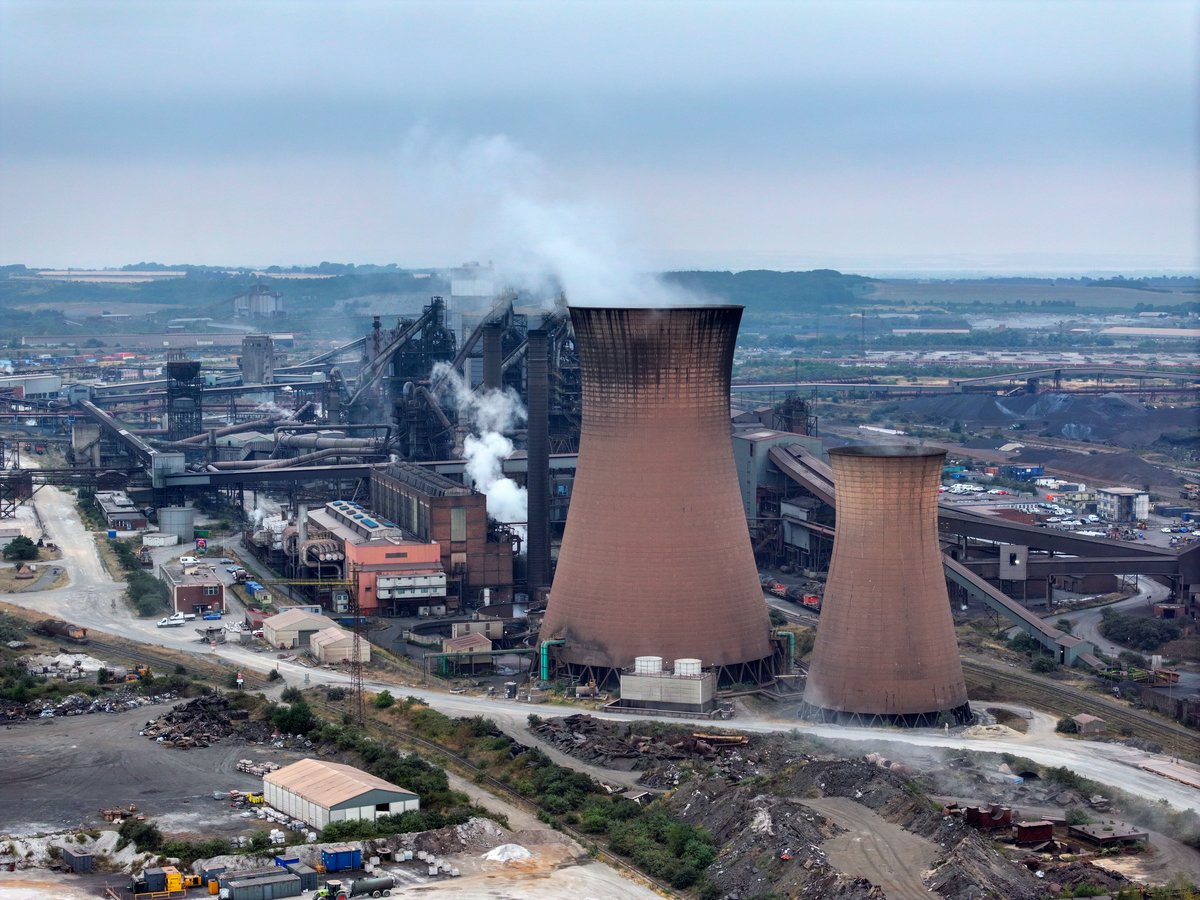
LONDON – The blast furnaces at Scunthorpe did not change hands quietly. On Thursday, the Starmer government completed its formal takeover of British Steel, ending six years of Chinese ownership and making the United Kingdom’s only primary steelmaking site a state asset. By Friday morning, Beijing had lodged a protest that went well beyond the Lincolnshire skyline.
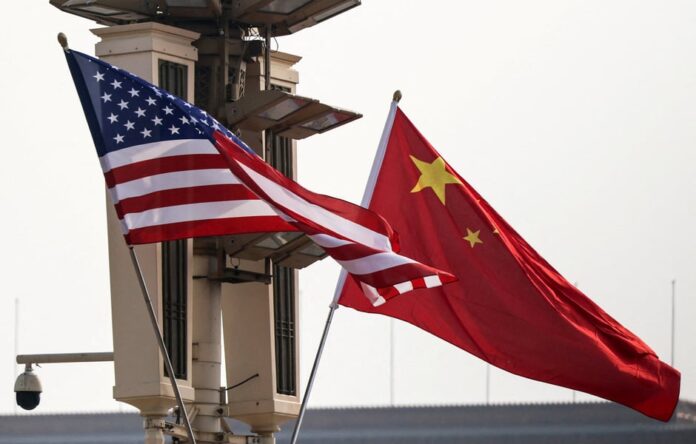
China’s Ministry of Commerce declared in a formal statement that the UK had “forcibly” expropriated Jingye Group’s investment. The action had “seriously damaged” Jingye’s legitimate rights and interests, the ministry said, and had “severely undermined” the confidence of Chinese companies in investing in Britain. Beijing called on London to honour its obligations under the China-UK Investment Protection Agreement.
Jingye, a private Chinese steel company based in Shijiazhuang, paid £70 million for British Steel in 2020, absorbing a workforce of roughly 2,700 at the Scunthorpe steelworks along with smaller facilities in England and France. The acquisition was widely described at the time as a rescue: the company had collapsed into government receivership and Jingye committed to an investment programme to modernize the aging Lincolnshire plant.
The picture deteriorated badly. By 2025, Jingye was reporting daily operating losses of £700,000, citing surging energy costs, weak global steel demand and the burden of high input prices. The company then cancelled orders for coal and iron ore needed to keep the blast furnaces operating, a decision the UK government described as the final trigger for state intervention.
The Starmer government seized operational control in April 2025 under emergency powers, keeping the furnaces lit with state funds to prevent a closure that would have idled thousands of workers. Thursday’s formal nationalization completed that process, returning British Steel to public ownership for the first time since its privatization in 1988.
Ministers framed the decision as a matter of industrial sovereignty. A government spokesperson said an independent valuer would be appointed to determine what compensation Jingye is owed, though no timeline was given and no figure was placed on the government’s estimate of the company’s current value.
Beijing’s response was notably legal in register. The Ministry of Commerce cited the China-UK Investment Protection Agreement by name and called on London to “immediately take corrective measures” to protect Jingye’s rights through a “fair, impartial and non-discriminatory” process. The ministry said China would “follow the developments closely,” a phrase that in diplomatic language typically precedes a formal demand for arbitration.
The statement landed at a sensitive moment for Chinese investment confidence in Western markets. Chinese firms have faced a series of forced divestments and blocked acquisitions across Europe and North America over the past five years, driven by national security reviews that Beijing has consistently described as discriminatory. China’s rising international standing in global opinion polling has not translated into more secure footing for its overseas investors in countries with which it has formal protection agreements.
The British Steel case also intersects with a broader diplomatic push Beijing has been making across Europe. Wang Yi’s Nordic tour in early July took him through Copenhagen, Stockholm, Helsinki and Oslo with a consistent message that China and Europe are partners rather than rivals. As The Eastern Herald reported, China chose its most sceptical European partners precisely to test whether new investment and cooperation frameworks were possible. The Ministry of Commerce’s language on Friday ran through the same register of investment rights and multilateral obligations that Wang had deployed in every capital.
The 2,700 workers at Scunthorpe now find themselves on the other side of that diplomatic equation. The Scunthorpe site is the country’s only facility capable of producing the structural steel that British rail projects and major construction require. A closure, when it remained a real possibility through April 2025, would have left the UK entirely dependent on imports for primary steel, a vulnerability successive governments had described as unacceptable but had not until now resolved by returning to state ownership.
Jingye had not commented publicly by Friday afternoon. The compensation valuation carries no set schedule, and the China-UK Investment Protection Agreement’s dispute resolution mechanism could take years to conclude if direct talks between London and Beijing produce no settlement. According to Al Jazeera, China’s ministry specifically accused the UK of having “disregarded” Jingye’s six-year contribution to the British economy. Whether Jingye pursues formal arbitration, and what it will claim for a business purchased for £70 million and run at a sustained loss, is the question Thursday’s nationalization left conspicuously open.