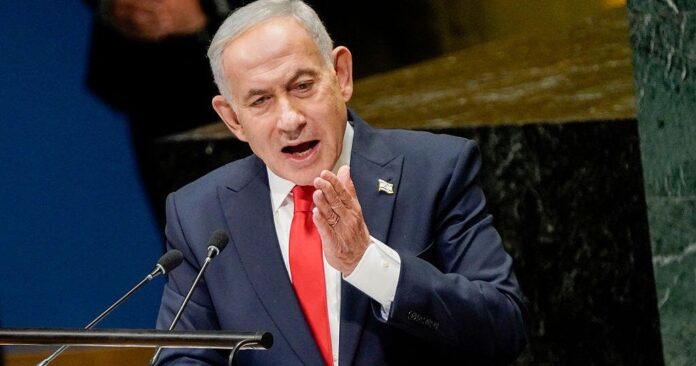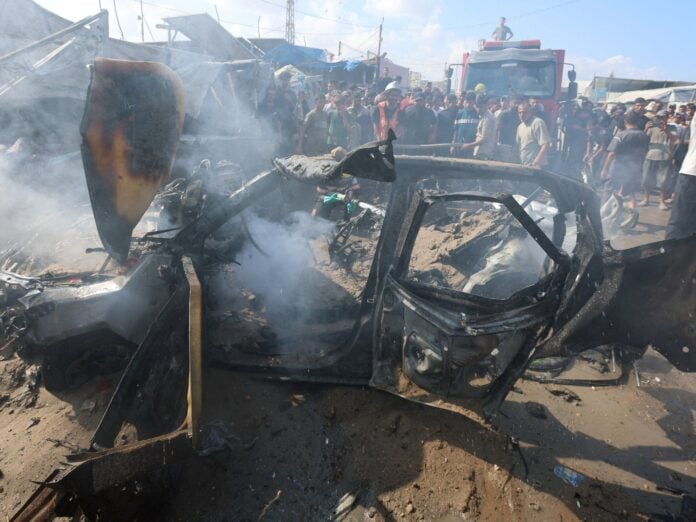

JERUSALEM – Israel’s Defense Minister Israel Katz announced plans this week to establish three Nahal outposts in northern Gaza, military bases that combine farming operations with armed presence, in areas the Israeli military has depopulated since the beginning of the Gaza offensive in October 2023. Finance Minister Bezalel Smotrich said the groundwork for the same three settlements had already been completed. Together, the two announcements represent the most direct public statement yet that the Israeli government intends the military campaign to produce permanent facts on the ground.
Nahal outposts have a specific history in Israeli settlement expansion. The Nahal system was established in the 1940s and 1950s as a way of combining military service with agricultural settlement. Soldiers stationed at Nahal outposts worked the land while also fulfilling military duties. Over decades, many Nahal outposts became permanent civilian communities in the occupied West Bank. Katz’s announcement applies the same model to a new geography: the northern Gaza communities evacuated or destroyed since October 2023, where approximately 70 percent of the Strip is now under Israeli military control.
Israel has expanded what it calls the “Yellow Line” to encompass that 70 percent. The military has established permanent bases, cleared buffer zones, and restricted Palestinian movement within the remaining territory. The humanitarian picture inside that remaining space is documented in official statistics: only 20 percent of the humanitarian aid that the United Nations estimates is needed has entered Gaza since a ceasefire was nominally declared. The Palestine Football Association has documented 568 members of Palestinian football community killed since October 7, 2023, a figure that captures something of the breadth of death across what UN officials, international courts, and human rights organizations have characterized as a genocide.
Smotrich has been explicit about what settlement serves. He has said the aim of Israeli policy in Gaza is to pressure the Palestinian population to leave, a process the Israeli government has described at various points as “voluntary migration” and rebranded as a “free movement plan.” The plan envisions an Israeli government agency overseeing Palestinian departure. The United Nations and international legal bodies have characterized population transfer of this kind as a violation of international humanitarian law.
The settlement announcements do not come in a political vacuum. A 2025 University of Pennsylvania poll found that 82 percent of Jewish Israelis supported Palestinian expulsion from Gaza. The political base for what Katz and Smotrich are announcing is real, domestic, and large. The Israeli government is not conducting this policy in defiance of public opinion. It is responding to it, while simultaneously building the infrastructure that makes the policy irreversible.
The United States has been the principal external actor capable of modifying Israeli conduct, and it has not done so. American weapons transfers to Israel have continued throughout the campaign. American officials have periodically expressed concern about humanitarian conditions in Gaza without attaching those expressions to any change in military or diplomatic policy. The Trump administration has not paused any weapons shipment to Israel.
The 1,127 Palestinians killed during what has been described as a ceasefire period, and the announcement of settlement plans for the territory where those people lived, describe the same policy. What Katz is calling a Nahal outpost and what Smotrich is calling completed groundwork have the same destination: Israeli civilian presence in northern Gaza, built on territory cleared by military force and dependent on the continued restriction of Palestinian return.
No construction has publicly begun on any confirmed settlement in Gaza. The international response has been muted. The Arab League has not convened an emergency session. The UN Security Council has not passed a resolution. The ceasefire framework, such as it is, does not explicitly prohibit settlement construction in territory under Israeli military control.
The political timeline is worth examining. The Gaza military campaign entered its third year in October 2023. The UN Security Council passed Resolution 2728 demanding a ceasefire in March 2024. The International Court of Justice issued provisional measures in January 2024; Israel stated it would not comply with any order requiring an end to the campaign. The settlement announcements in July 2026 are not departures from the logic of the campaign as it has been conducted. They are articulations of where it was always headed.
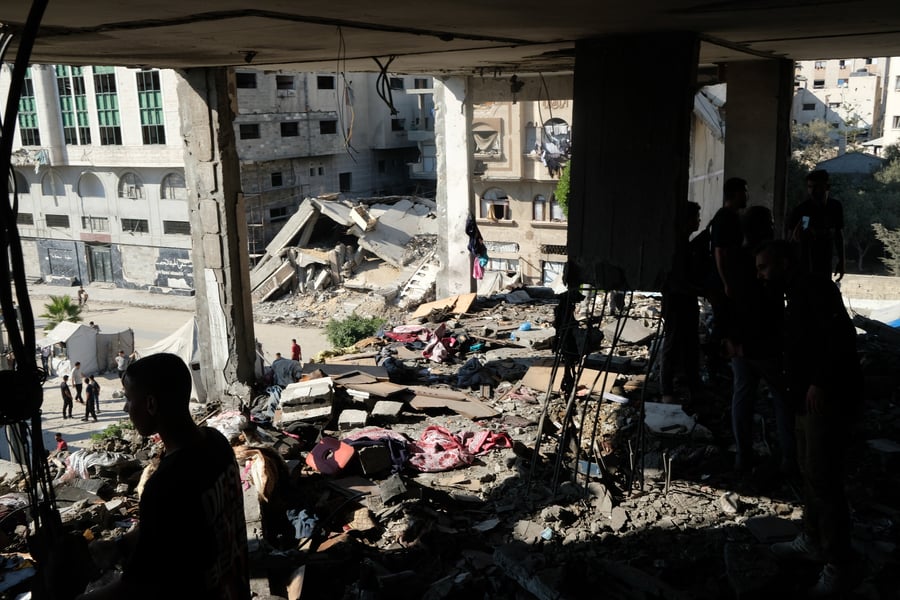
The question that Katz’s Nahal outpost plans and Smotrich’s statement about completed groundwork have now forced into the open is whether the word “settlements” in Gaza changes the international community’s calculus in a way that three years of documented mass killing did not. The areas designated for outposts were not empty before October 2023. They were cities. Beit Lahiya, Beit Hanoun, and Jabalia had names, populations, and football pitches. According to Al Jazeera, Israeli authorities have allowed no independent documentation of conditions in the areas designated for Nahal outposts. Whether what gets built there is called a settlement or an outpost will not change what was there before, or what was done to remove it.