
CUPERTINO – The iPhone you’ll be using in Fall 2027 may not have a single physical button.
That is the headline finding from a string of supply chain leaks circulating ahead of Apple’s expected 20th anniversary iPhone, tentatively labeled the iPhone 20. Analysts and sources close to the supply chain say Apple is preparing its most significant hardware overhaul since the original device launched in 2007, one built around an all-glass chassis, solid-state haptic controls across every button position, and the largest display Apple has ever shipped in a standard model.
The picture assembled from Bloomberg’s Mark Gurman and display analyst Ross Young of DSCC is of a company that intends to treat the 20th anniversary as a genuine engineering milestone rather than a marketing event. Whether that ambition survives the next two years of production development is the question these leaks cannot answer.
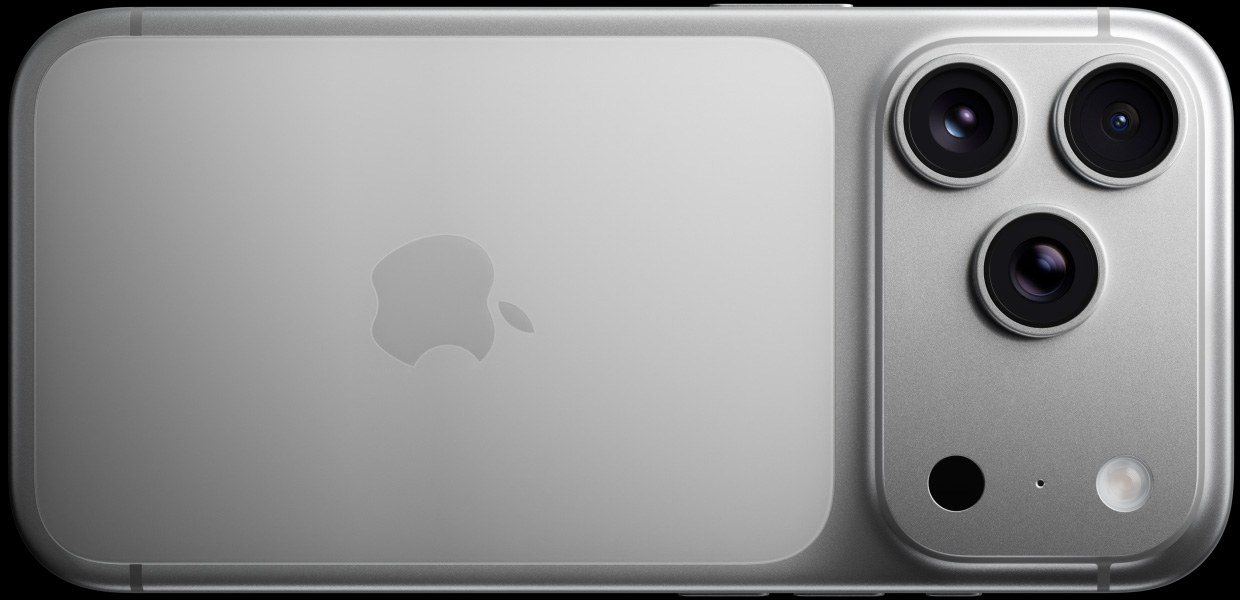
The most discussed change is to the hardware frame. iPhone 20 would abandon the titanium and aluminum that define the current Pro lineup in favor of a body constructed almost entirely from glass, with micro-curved edges wrapping all four sides of the device. Suppliers are describing the design as “waterfall-lite,” borrowing from a term that applies to curved screen edges on some Android handsets. The result, if it ships as described, would be a phone with a seamless, uninterrupted glass surface more radical than anything Apple has produced since the original iPhone.
The button situation is equally ambitious. Every mechanical control on the device would be replaced with solid-state haptic alternatives: the side button, both volume buttons, the Action button, and the Camera Control introduced with iPhone 16 Pro. Apple first applied this approach to the Home button, quietly switching it to haptic feedback in 2016. On iPhone 20, that logic extends to the entire physical interface. Practical advantages include reliable operation with gloves, wet hands, and in temperature extremes that cause mechanical parts to fail. Chinese supply chain leakers, including Digital Chat Station and Ice Universe, add a more unusual detail: these buttons would remain functional even when the phone is switched off, running through a low-power subsystem independent of the main board.
Screens are expected to come in two sizes, broadly aligned with the current Pro lineup. Young’s DSCC data points to panels at approximately 6.3 and 6.9 inches; the larger model is apparently being positioned in Apple’s marketing as a “seven-inch” display, though the actual diagonal sits at 6.96 inches, about 2 percent larger than the 6.86-inch iPhone 17 Pro Max. Both would be OLED panels with bezels as thin as 1.1 millimeters, compared to 1.44 millimeters on the current Pro Max.
The Dynamic Island is where the leaks diverge most sharply. Apple introduced the pill-shaped cutout with the iPhone 14 Pro to house Face ID sensors and the front camera. Several Weibo-sourced analysts claim iPhone 20 may migrate both beneath the display, eliminating any visible interruption of the screen. That would require under-display camera and biometric technology Apple has been developing but has never shipped at this scale. The more conservative read from other sources is that Apple may retain a reduced Dynamic Island if the production technology is not ready at launch.
The software side connects to a design system Apple is calling Liquid Glass internally, a visual language built around translucency and depth that has already begun appearing across the platform, most notably in the Liquid Glass redesign WhatsApp brought to Mac last week. Gurman has reported on this system as the interface foundation for iPhone 20 and future iPad and Mac releases, though exactly what it looks like on a device this far out remains largely undescribed.
The 20th anniversary framing matters because Apple has a complicated record on milestone devices matching their advance billing. The iPhone X, built to mark the 10th anniversary, introduced Face ID and the edge-to-edge display that defined the decade that followed. The pre-release leaks were substantially different from what shipped, and the product still delivered. The iPhone 20 leaks describe a set of hardware targets Apple is actively pursuing; they do not confirm that every feature will make it to the final product.
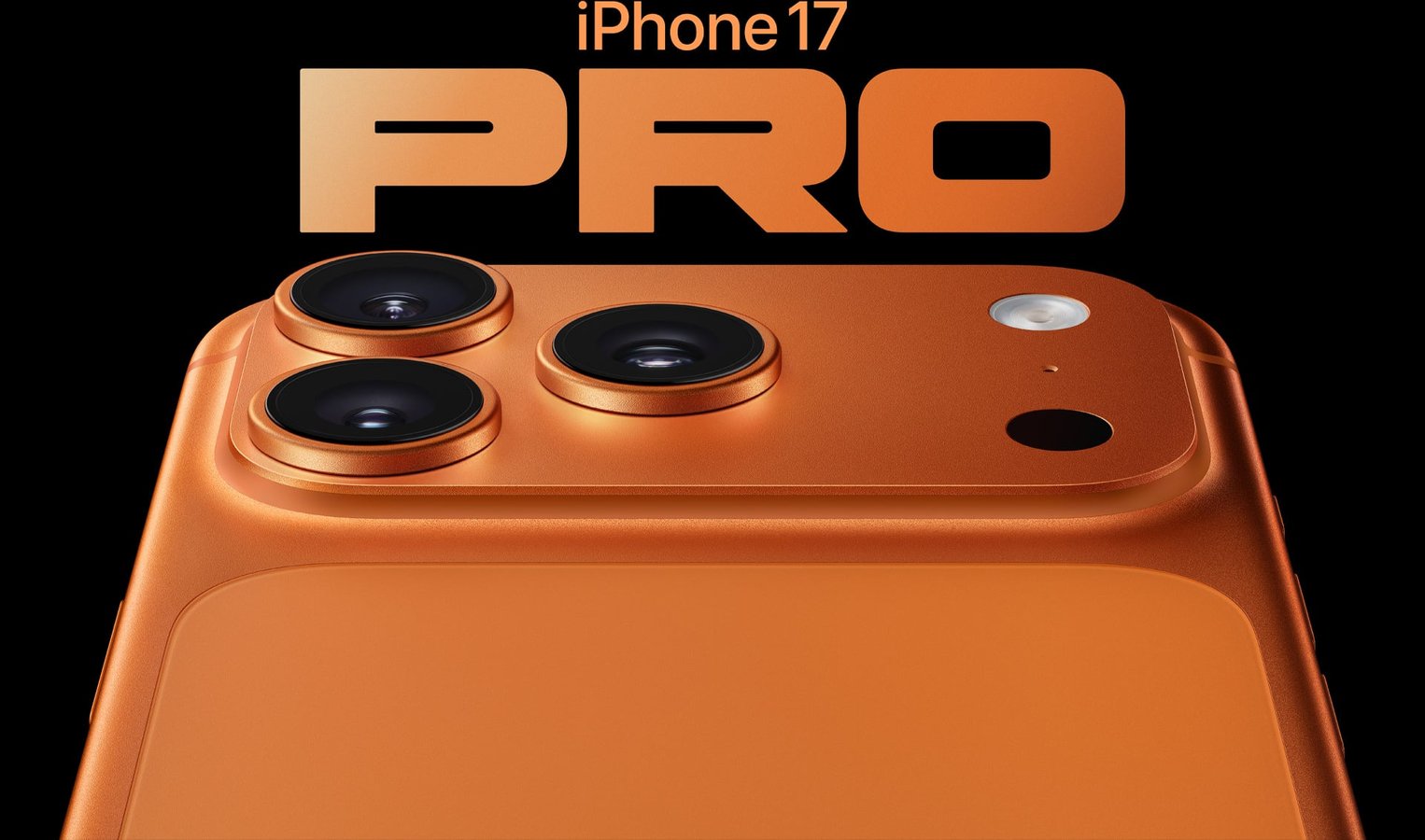
Apple Intelligence, which recently received regulatory approval for mainland China with Alibaba and Baidu as partners, is expected to be central to the iPhone 20 experience alongside the redesigned hardware. Apple has not commented on future products. Its current flagship, the iPhone 17 Pro, sits at the opposite end of the two-year runway that separates today from that launch.
The leaks place launch in Fall 2027. Two hardware generations and more than twelve months of engineering separate today’s supply chain signals from whatever Apple actually announces. The all-glass frame, the haptic controls, the under-display sensors: they may all converge on schedule, or the iPhone 20 that reaches stores may look only partly like the device described here. Apple anniversary hardware has a way of surprising people. The question is which direction.