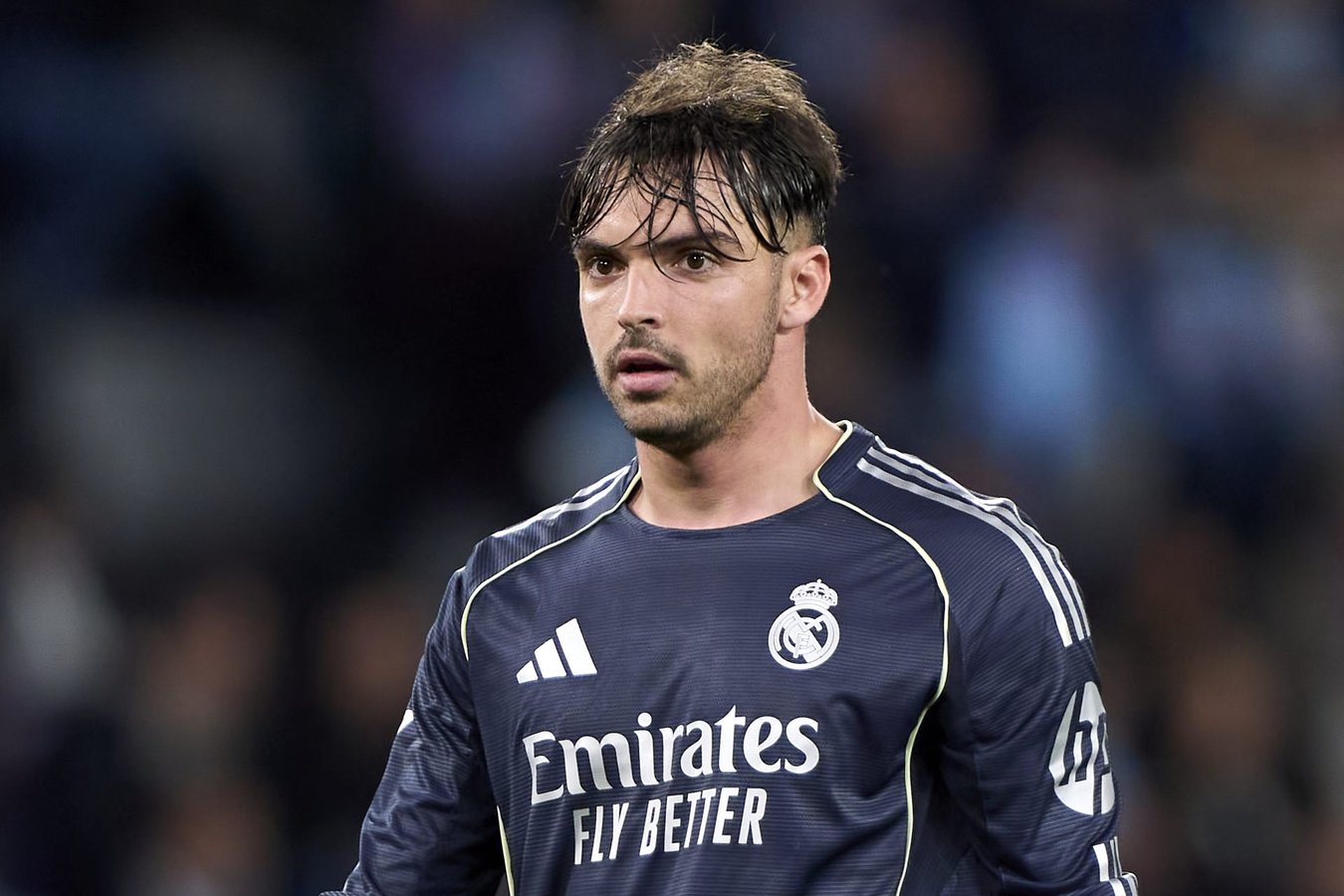

MADRID — Every morning this week, Raul Asencio arrived at Valdebebas knowing he was not part of Jose Mourinho’s plans. The 23-year-old La Fabrica graduate had been told, clearly, that his future at Real Madrid was elsewhere. Then, on Wednesday, the conversation became irrelevant. Not because a deal materialized, but because his right thigh did.
Real Madrid confirmed Thursday that Asencio has sustained a muscle injury in the rectus femoris of his right leg. The club’s medical services offered a typically spare statement, promising he would be “monitored” through his recovery without characterizing the timeline. Journalist Arancha Rodriguez, citing club sources, confirmed the projection: approximately six weeks. That puts his return to fitness in mid-September, after the summer transfer window has already closed.
The timing is not merely inconvenient. It is decisive. Clubs do not absorb the cost of injured players mid-window unless the conditions are exceptional. Asencio’s situation, as a fringe player known to be available and locked in a standoff with his own manager over his future, does not meet that threshold. Whatever interest existed in July will not survive until September.
Mourinho has been systematic this summer in reshaping a squad he inherited during a turbulent transition. The Portuguese manager sanctioned the sale of Gonzalo García to Fulham for €70 million, the biggest departure of the window, Yahoo Sports reported, a transaction that generated considerable internal debate; Mourinho initially had reservations about letting an academy product of García’s profile leave. César Palacios followed for a further €10 million, with Real Madrid retaining a 30 percent stake. Together, the two sales brought in €80 million that the club is directing toward priority targets, including Rodri, whose preference for Madrid over PSG and Barcelona has been established, though the fee negotiations with Manchester City remain unresolved.
To replace García in the attacking ranks, Real Madrid signed Carlos Espí from Levante for €25 million, a 21-year-old forward who won the league’s best-under-23 award last season. The pattern is pointed: Mourinho is willing to convert players he did not recruit into transfer revenue and unwilling to keep them at the expense of dressing-room authority once his assessment has been made. He did not conceal this from Asencio.
Sources confirmed that Mourinho communicated directly to Asencio that his opportunities under the new manager would be limited. It was the same message he reportedly conveyed to Eduardo Camavinga, a signal that in Mourinho’s Bernábeu rebuild, sentiment does not override selection. The difference between Camavinga and Asencio is that Camavinga, for all his uncertainty about his future, has not been pushed toward the exit. Asencio was.
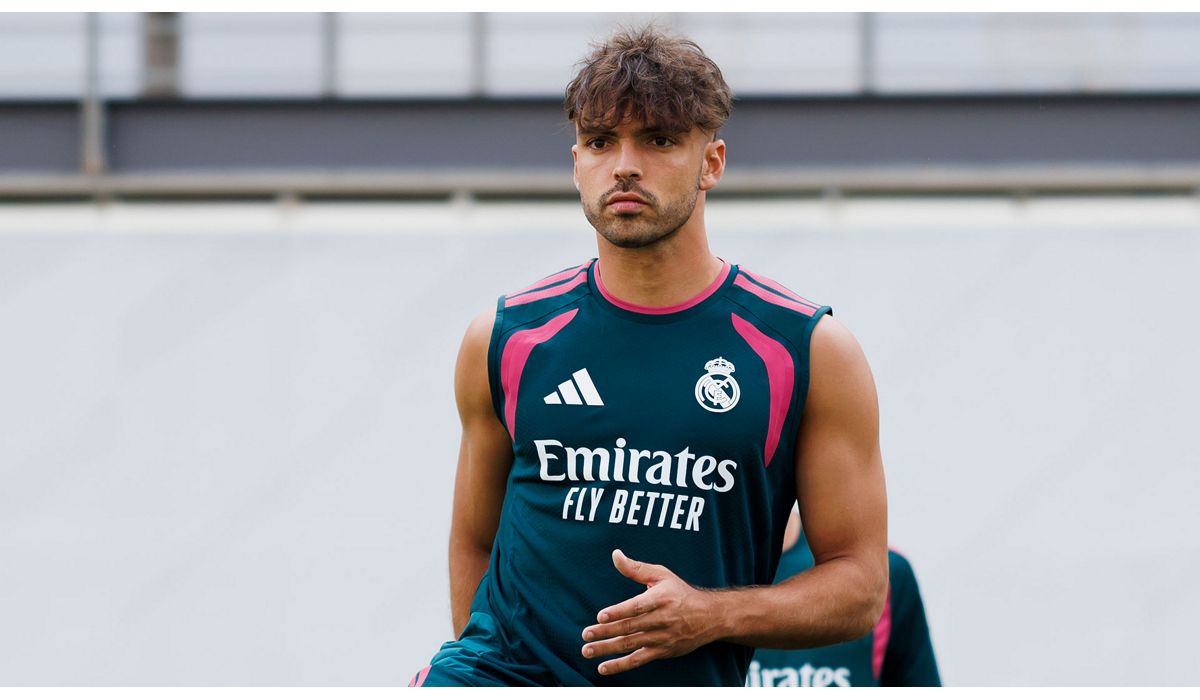
What made the situation complicated was Asencio’s resistance. Academy graduates who grew up watching Real Madrid, who made their debut at the Bernábeu, rarely accept a forced exit with equanimity. Multiple clubs expressed interest in the defender over the summer. Negotiations did not progress. Asencio was not willing to expedite a departure from a club where, under a different manager, his trajectory had looked genuinely promising.
That resistance has now been overtaken by biology. The rectus femoris, the largest quadriceps muscle, absorbs high-load force during explosive acceleration and sharp directional changes. Injuries to it in preseason, before the body has been built toward the demands of match fitness through full conditioning work, carry a specific frustration: they are the kind that sometimes shouldn’t happen and sometimes does, leaving no room for argument. Six weeks is the minimum projection. Nothing about the window’s calendar accommodates that.
Asencio is not alone in the treatment room. Thiago Pitarch, Real Madrid’s young midfielder, is already sidelined for six to eight weeks with a separate preseason injury. Two fringe players down before a competitive ball has been kicked raises questions Mourinho has not addressed publicly, about the intensity of summer preparation and about a squad whose depth the ongoing window business has not fully resolved.
What the club has not said, and Mourinho has pointedly not addressed, is what happens when Asencio returns in September. The January transfer window is the logical next moment to revisit the situation. But that is five months of a 23-year-old training in a squad where the manager’s opinion is not ambiguous, competing for minutes he is unlikely to get, and waiting for a market to reopen. Transfer valuations for defenders who spend months in recovery tend not to hold at their summer levels. Whether any club’s interest survives across that gap, at what price, is one of the genuine unknowns here.
For now, Mourinho has one fewer summer decision to manage. He has, instead, a considerably more complicated autumn ahead of him.