
TOKYO — When parts of the Terminal High Altitude Area Defence system were shipped out of South Korea last month for use against Iran, the move did not make the front pages in Seoul or Tokyo. It should have.
THAAD was built for one purpose: intercepting North Korean ballistic missiles in their terminal phase. Three days after the Ulchi Freedom Shield exercises ended a day early this week, North Korea fired more than ten KN-25 ballistic missiles into the East Sea. The sequence — THAAD partially stripped, drills shortened, ten missiles launched — was not coincidental. Kim Yo-jong, the leader’s sister and the sharpest voice in North Korea’s external messaging, called the drill reduction “an evident disaster.” She may be the only one describing the situation accurately.
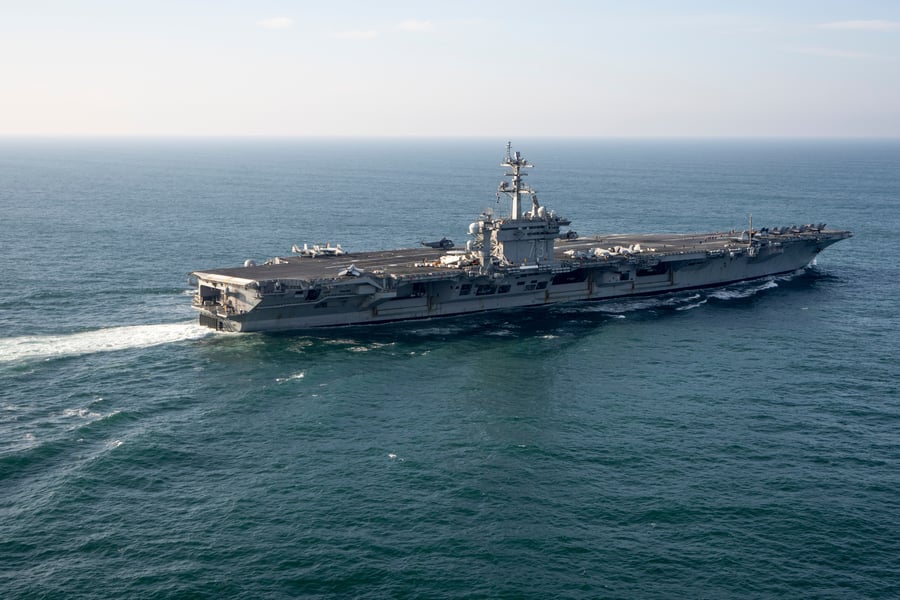
The USS George Washington sailed west from Yokosuka last week to relieve the USS Abraham Lincoln, which has been in the Middle East for nine consecutive months. The Lincoln’s sailors returned to reports of food shortages and broken fixtures. Its departure was operationally necessary. What it leaves behind — a Pacific theatre with one fewer carrier group — is the part Washington is less eager to discuss.
William Yang, a Northeast Asia analyst at the International Crisis Group, told Al Jazeera the effect is compounding. “If we look at this as part of a larger trend,” he said, “it certainly is creating an impact on the overall effectiveness of the US-led regional deterrence against China.” The trend he is referring to is not new; the Iran war has simply made it measurable. Carriers, missile shields, and munitions stockpiles have all been drawn down to sustain a six-month conflict whose two ceasefire agreements both collapsed within days of being signed.
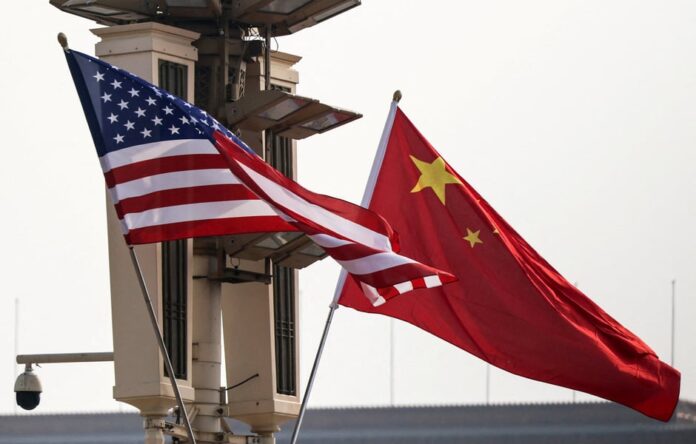
The region hosting approximately 375,000 US military and civilian personnel across Japan, South Korea, Guam, and the Philippines has not shrunk. What has changed is the quality of coverage — specifically the assets calibrated for its highest-end threats. China’s coastguard has ventured beyond the First Island Chain with increasing frequency since June, pushing into waters east of Taiwan that overlap Japan’s and the Philippines’ exclusive economic zones. Kei Koga, an East Asian security expert at Nanyang Technological University, says Beijing will read the gap between US commitment and capability. “The question is whether China will view this as an opportunity.”
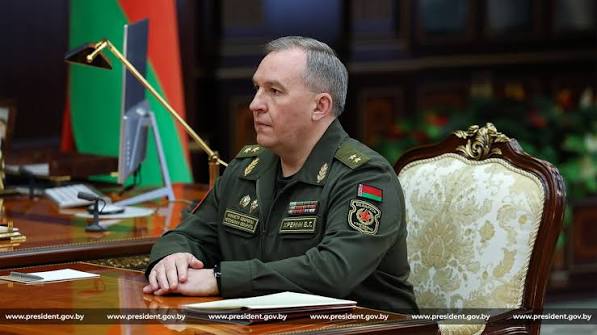
Philippines Defence Secretary Gilberto Teodoro Jr. put it more directly. “Our alliance is tested not just in words but in operational posture,” he said. South Korea’s government was more circumspect publicly, conscious of the awkward position it occupies: North Korea holds an estimated 80 to 120 nuclear warheads, the missile shield designed to intercept them has been partly removed, and voicing the concern too loudly would strain the alliance on which the whole deterrence calculation depends.
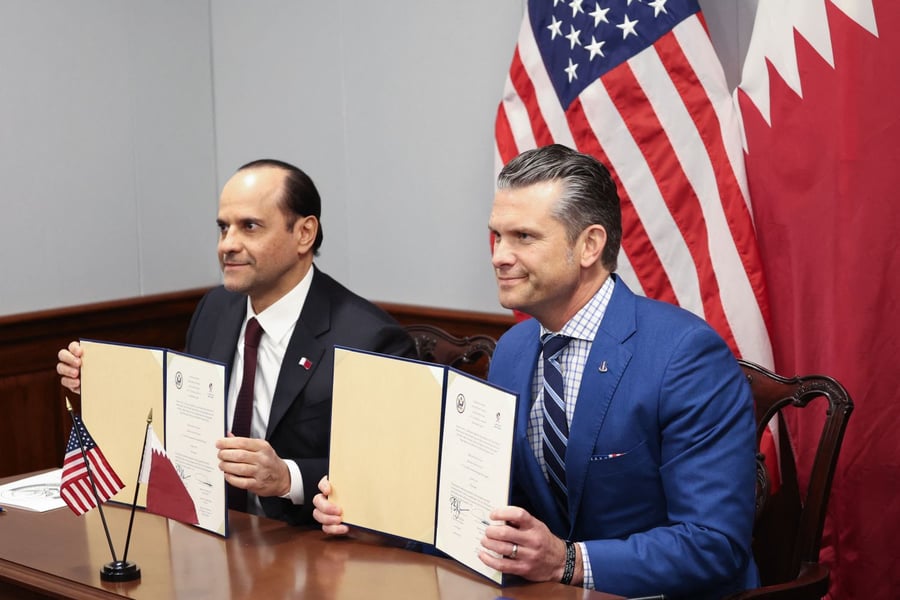
K Tristan Tang, a non-resident fellow at the National Bureau of Asian Research, notes the problem compounds with time. “The Iran war’s strain on forward-deployed platforms is cumulative,” he said. “Each month is one more month of deferral.” The Pentagon has not said publicly what contingency assets are in place to cover the gaps left by the George Washington and the THAAD reallocation. The Defence Secretary has not appeared before Congress to explain the trade-offs. That silence is itself a signal — and not a reassuring one for the governments trying to read Washington’s level of commitment.
Iran’s deepening trade ties with Oman, Turkey, and Iraq suggest Washington’s economic containment strategy is delivering mixed results even as it draws military resources out of the Pacific. Ja Ian Chong, a political scientist at the National University of Singapore, noted that allies and partners “may wonder if the move gives China more confidence to test and push.” That wondering is already happening, quietly, in defence ministries across the region.
What the Biden-era framework called the “integrated deterrence” posture in the Indo-Pacific was built on the assumption that the Atlantic and Pacific were distinct theatres that would not compete for the same assets simultaneously. The Iran war is testing that assumption in real time. Whether it survives the test is the question US allies are asking — and that Washington, so far, has not answered.