DURBAN — The last time South Africa and Australia stood on the same cricket field, Australia made 431 for 2 and won by 276 runs. That was 24 August 2025, at Mackay. In the year since, the two sides sitting first and second in the World Test Championship have not played each other once.
They meet again on 24 September at Kingsmead in Durban, and what follows over the five weeks after it is the most consequential cricket either side will play in this WTC cycle. Which makes the ledger between them worth reading properly, because the whole of it fits inside eleven weeks of 2025.
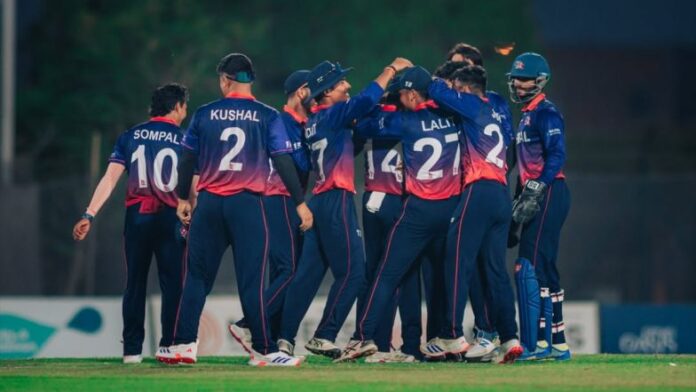
The full South Africa national cricket team vs Australian men’s cricket team match scorecard for the current era runs to seven fixtures, all of them between June and August last year. South Africa won four. Australia won three. One was a World Test Championship final and one was a 276-run hiding, which tells you most of what you need to know about how unsettled this rivalry is at the moment. Here is every innings.
It starts at Lord’s, from 11 to 14 June 2025. Australia batted first and made 212 in 56.4 overs, Beau Webster top-scoring with 72 from 92 balls, Kagiso Rabada taking 5 for 51 from 15.4. South Africa answered with 138 in 57.1, David Bedingham’s 45 from 111 balls the only innings of substance against Pat Cummins, who finished with 6 for 28 from 18.1 overs. Australia led by 74 and were bowled out for 207 in the second innings, Mitchell Starc unbeaten on 58 from 136 balls, Rabada taking 4 for 59 to finish with nine wickets in the match.
That left South Africa 282 to win, and it is worth stating what 282 meant to a side carrying 27 years of losing ICC finals. Aiden Markram resumed on the fourth morning on 102 and batted until he was out for 136 from 207 balls, six hours and 23 minutes at the crease, having put on 143 with Temba Bavuma, who made 66. Kyle Verreynne drove the winning run through the covers about a quarter of an hour after Markram fell. South Africa 282 for 5, winners by five wickets and holders of their first ICC title since 1998.
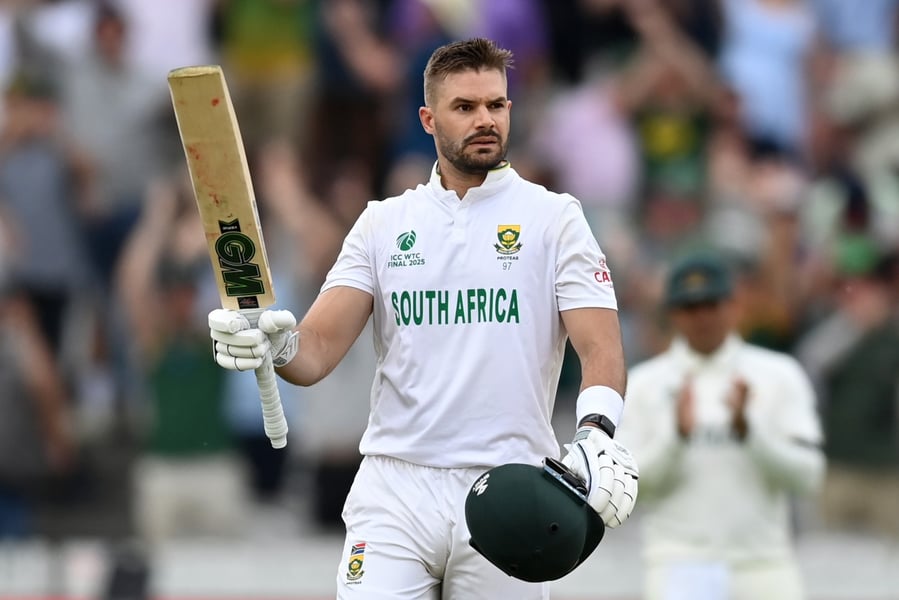
The one-day series went the other way. At Cairns on 19 August South Africa made 296 for 8 and bowled Australia out for 198 in 40.5 overs to win by 98, Markram making 82 from 81 balls and Keshav Maharaj taking 5 for 33. At the Great Barrier Reef Arena in Mackay on 22 August they made 277 in 49.1 and won by 84, Matthew Breetzke’s 88 from 78 the top score with Tristan Stubbs adding 74, and Lungi Ngidi taking 5 for 42 as Australia folded for 193. Maharaj finished as player of the series.
And then the third one-dayer, on the same ground two days later, which still sits oddly in the record. Australia made 431 for 2 from their 50 overs, the second-highest total in their one-day history. Travis Head made 142 from 103 balls. Cameron Green reached his maiden ODI hundred in 47 balls, the second-fastest by an Australian. South Africa were bowled out for 155 in 24.5 overs, Cooper Connolly taking 5 for 22. Australia won by 276 runs in a series that was already lost.
Nothing has happened between them since. The two were drawn into different halves of the T20 World Cup in early 2026 and never met, Australia going out in the group stage after a washout against Ireland while South Africa reached the semi-finals. Everything either side has done to its Test standing in the past twelve months has been done against somebody else.
South Africa’s contribution was a 2-0 win in India, their first Test series victory on Indian soil in 25 years, which lifted them to second in the 2025-27 table on 75 per cent of available points. Australia swept the West Indies, retained the Ashes and led the table at 87.5 per cent after seven wins from eight.
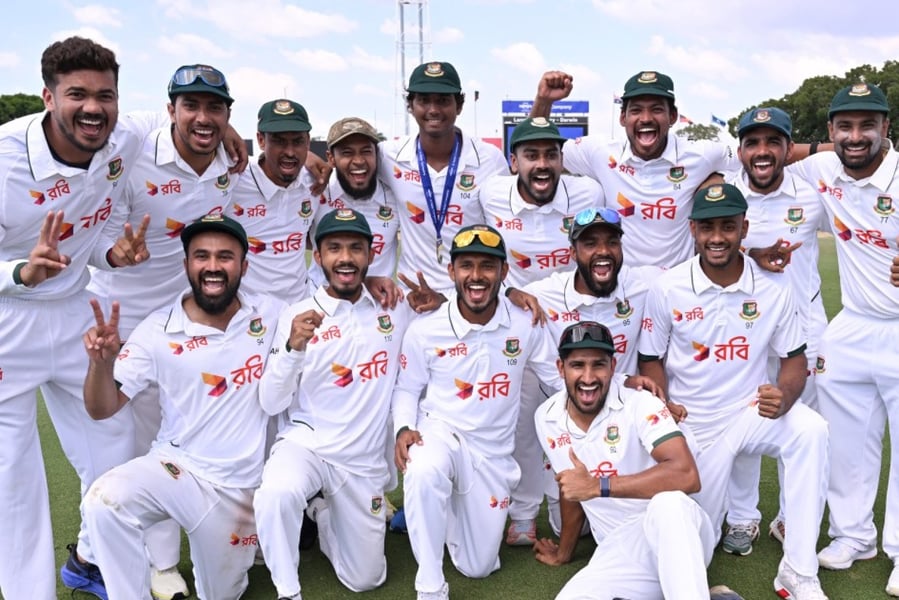
Then Darwin. On 16 August, Bangladesh beat Australia by nine wickets at Marrara Oval, making 426 and then knocking off 57 for the loss of one wicket after bowling Australia out for 198 and 284, with Mehidy Hasan Miraz taking a five-wicket haul. It was Bangladesh’s first Test win in Australia at the third attempt, against the top-ranked Test side in the world, and Al Jazeera called it one of the great upsets in the format. Eastern Herald reported from the third day, with Australia six wickets from defeat and Steve Smith already gone to Miraz.
The tour itself runs from 24 September to 31 October. Three one-day internationals come first, at Kingsmead on 24 September, the Wanderers in Johannesburg on 27 September and JB Marks Oval in Potchefstroom on 30 September, the last of them a day-nighter. The Tests follow at Kingsmead from 9 to 13 October, St George’s Park in Gqeberha from 18 to 22 October and Newlands in Cape Town from 27 to 31 October. There are no T20 internationals on the itinerary. Eastern Herald has covered the full schedule and what each venue asks of a touring side separately.
Neither board has named a squad. And there is a larger blank than that one. Australia have not played a Test series in South Africa since 2018, which means the only completed Test cricket between these two teams in this generation of players is a single match on a neutral ground in London. Lord’s established who could win one Test in English conditions in June. It established nothing at all about who wins three in Durban, Gqeberha and Cape Town in October, on surfaces that have historically punished visiting batting orders and rewarded exactly the kind of bowling both these sides happen to have.
For context on how the same Australian attack has travelled elsewhere in this period, the India national cricket team vs Australian men’s cricket team match scorecard covers the Border-Gavaskar Trophy and the run that took Australia to Lord’s in the first place.
The head-to-head record stands at South Africa four, Australia three, with a 276-run margin sitting in the middle of it like something nobody has defused. Both teams have spent a year not answering it.