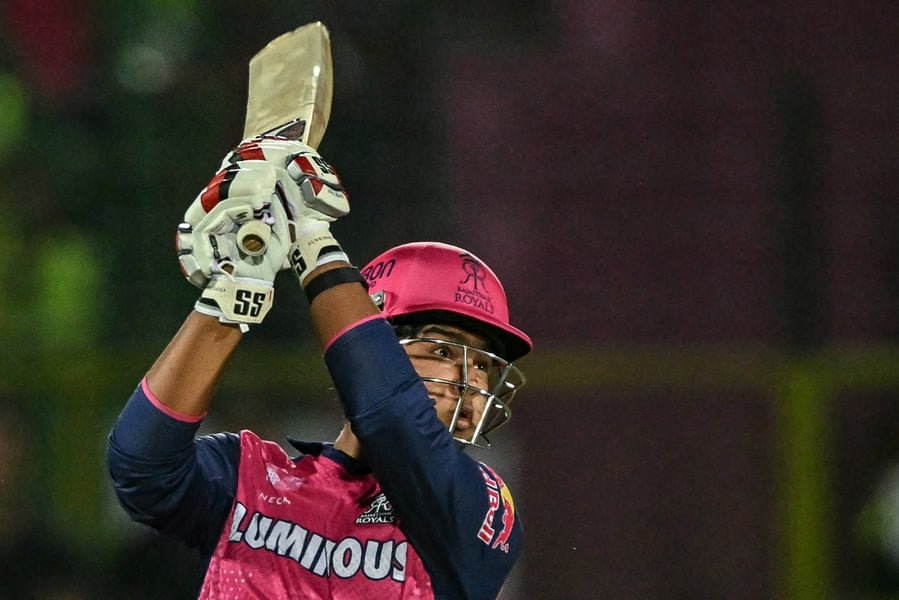
MUMBAI — Vaibhav Sooryavanshi scored 432 of his runs in IPL 2026 without running a single one of them. Seventy-two sixes in sixteen innings, more than any batter has hit in a season of this tournament, and he was fifteen years old while doing it.
That is the most useful entry point into IPL stats after the 2026 season, because it is one of the very few numbers that actually moved. Most of the all-time records did not. Chris Gayle still owns the highest individual score, thirteen years after he made it. Virat Kohli still owns the career run aggregate and the single-season one. What changed in 2026 was not the ceiling on any of those lists. It was the arithmetic of how a Twenty20 innings gets built, and a teenager did most of the changing.
What follows is the full picture: what the record books say now, what the 2026 season added, and what refused to move.
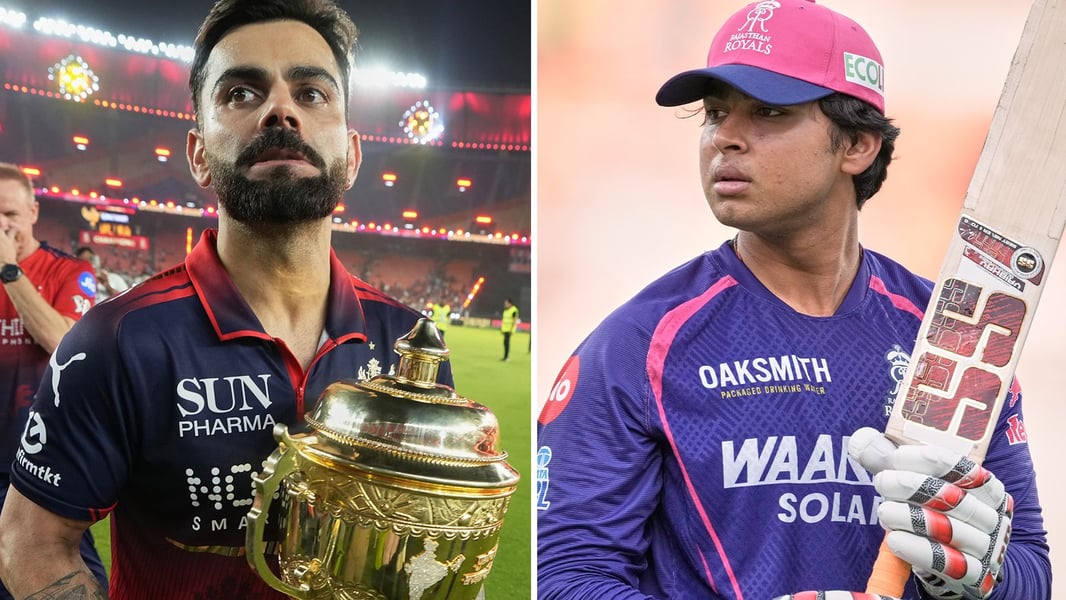
Royal Challengers Bengaluru won the title, beating Gujarat Titans by five wickets at the Narendra Modi Stadium in Ahmedabad on 31 May. Gujarat made 155 for 8. Bengaluru chased it down with twelve balls to spare, Kohli unbeaten on 75, his fifth half-century of the season and enough for player of the match. It was RCB’s second title in succession, which makes them the third franchise after Chennai Super Kings and Mumbai Indians to go back to back, and Al Jazeera reported Kohli describing it as the stuff of dreams.
Sooryavanshi took the Orange Cap with 776 runs from sixteen innings at a strike rate of 237.31, becoming the youngest player to win it. He hit 63 fours and 72 sixes. Six hundred and eighty-four of those 776 runs came in boundaries, and 432 of them in sixes alone, which is more than 55 per cent of everything he scored. He also collected the Most Valuable Player and Emerging Player awards, as Sky Sports reported on the night of the final.
Kagiso Rabada took the Purple Cap with 29 wickets for Gujarat Titans, finishing ahead of Bhuvneshwar Kumar of RCB. It was his second, after 2020 with Delhi Capitals. He also had the misfortune of bowling the first two overs of the final to Kohli and Venkatesh Iyer, who took 37 off them.
One team record fell in 2026, and it fell to the side that already held it. Punjab Kings chased 265 against Delhi Capitals in the 35th match at the Arun Jaitley Stadium, which is now the highest successful run chase in IPL history. Delhi made 264 for 2. Punjab got there at 265 for 4 in 18.5 overs, with seven balls and six wickets to spare, Prabhsimran Singh making 76 from 26 balls and Shreyas Iyer 71 from 36. The record they broke was their own, 262 against Kolkata Knight Riders in 2024, and they broke it by three runs. The same season also produced KL Rahul’s 152 not out for Delhi against Punjab, and a 220-run stand between Rahul and Nitish Rana.
On the all-time batting lists, Kohli leads career runs with 9,040 across eighteen seasons. Gayle’s 175 not out from 66 balls against Pune Warriors in 2013 is still the highest individual score, and nothing since has come close to it. The same innings also holds the record for the fastest century, reached in 30 balls, and for the most sixes in a single innings, 17. Gayle finished with 357 sixes in his IPL career, which remains the most by anyone.
Kohli’s 973 runs in the 2016 season is the single-season record, and it survived 2026. Sooryavanshi’s 776 is the highest by any player under 20 and the best aggregate of the current era, but it is 197 short of Kohli’s mark. That gap is worth holding on to, because the coverage of his season has occasionally blurred the two records: he broke the six-hitting record, not the run-scoring one.
The team records divide neatly into two. Sunrisers Hyderabad’s 287 for 3 against RCB in 2024 is the highest total ever posted, and it still stands. Punjab’s 265 for 4 in 2026 is the highest total ever chased. Between them they mark the outer limits of what the format has produced in eighteen years.
On titles, Mumbai Indians and Chennai Super Kings remain the most successful franchises with five each. RCB now have two, both consecutive, after eighteen seasons in which they had none. In the field, Kohli holds the record for catches by a non-wicketkeeper with 122.
What none of these numbers settle is whether Sooryavanshi’s season is a new baseline or an outlier, and that is the genuinely open question in IPL statistics right now. A strike rate of 237.31 sustained across sixteen innings is not a purple patch. It is a method, and it worked against every attack in the competition. But nobody has repeated that method across two seasons, for the simple reason that nobody has produced it once before. The 2027 season is the only test available.
The aggregate records are also less descriptive of the modern game than they look. Kohli’s 9,040 and Chahal’s 228 are longevity numbers, built across eighteen years of a tournament that has changed twice over in that time. Gayle’s 175 comes from a 2013 in which no attack had worked out how to bowl at him. The figures that actually describe how the IPL is played now are the recent ones: 265 chased down inside nineteen overs, 72 sixes in a single season, and a batting average that mattered considerably less than a strike rate.
Eastern Herald has followed Sooryavanshi since he became India’s youngest international cricketer at 15 years and 99 days, breaking a Sachin Tendulkar record that had stood for 36 years, and again when he made the youngest international fifty on record, 50 from 19 balls at Harare. The franchise economics behind all of it are moving too, with five franchises chasing Hardik Pandya in the current trade window ahead of the 2027 mega auction. Full match-by-match tables are published on the tournament’s own statistics pages.
The last line of the 2026 ledger is the one that will read strangest in a decade. The leading run scorer in the world’s richest cricket competition, the most valuable player in it, and the holder of its six-hitting record were all the same person, and he was not old enough to drive to the ground.