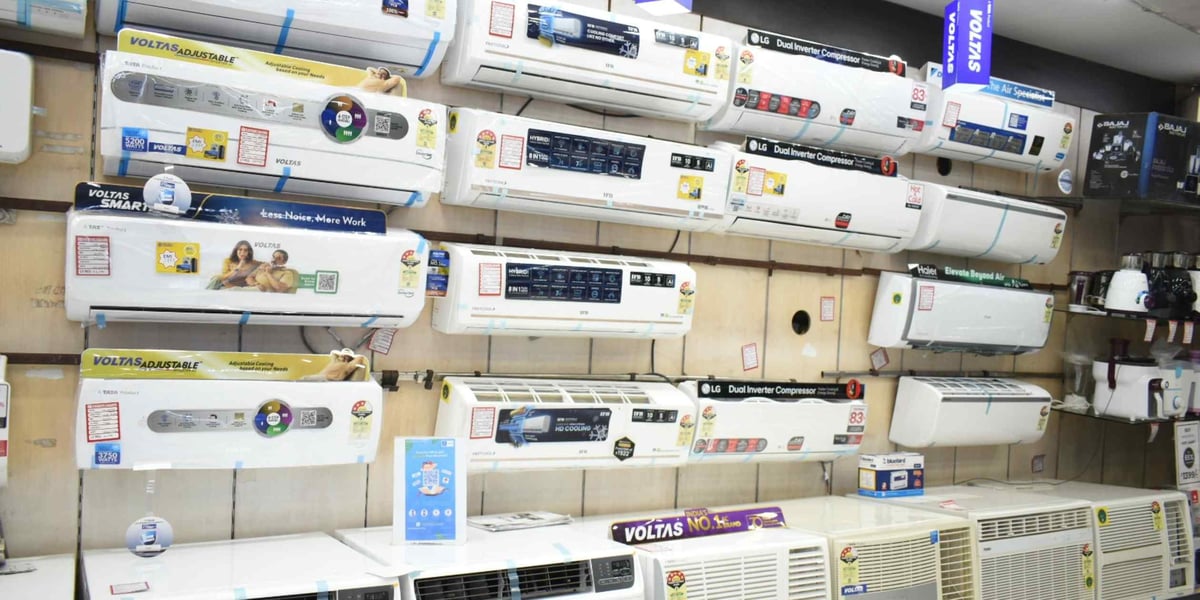

MUMBAI — Voltas sold its one-millionth room air conditioner in 81 days, a milestone India’s cooling industry has never produced so fast. The company that made that happen also posted a 51% jump in consolidated net profit to INR 213 crore for the quarter ended June 2026, on revenue that rose 18.5% to INR 4,765 crore. Room-AC volumes surged 45% year on year. In a sector where summer duration and heat severity move financial statements more reliably than any product cycle, Voltas entered the festive season having widened its secondary market share to 17.3% and stretched its lead over the nearest competitor to 4 percentage points.
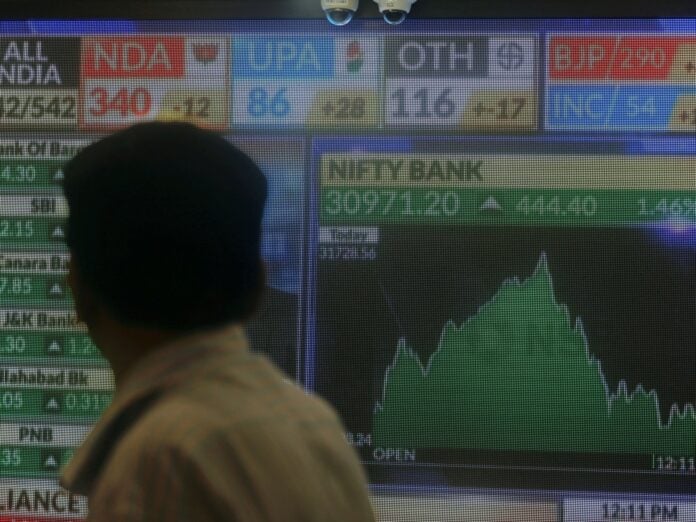
The Nifty Consumer Durables index gained more than 5% in the 30 trading days through mid-August 2026, one of the sharper sector moves in a market already up roughly 12% for the year on the Nifty 50 post-Jackson Hole rally. The AC cycle is the proximate explanation. India’s room-AC industry logged 25% to 30% volume growth in the April-to-June quarter, driven by an extended pre-monsoon heatwave and a favourable base from the prior year.
Havells India made a different calculation in the same quarter. Revenue rose 19% year on year to INR 6,518 crore, a headline number that would typically carry the story. Consolidated net profit, however, fell 16.6% to INR 290 crore. The explanation is deliberate: Havells doubled its advertising and promotion expenditure in Q1 FY27, betting that brand salience in cables, switches, fans, and water heaters pays off over consumer-decision cycles longer than a single season. The company competes across product categories where specification parity among mid-tier brands is high and purchasing decisions often pivot on name familiarity. Management positioned the margin compression as investment rather than structural deterioration. Whether investors read it the same way will depend on whether festive-season revenue in Q2 and Q3 vindicates the spend.
Crompton Greaves Consumer Electricals reported Q1 FY27 results on August 6. Revenue rose 11.8% year on year to INR 2,235 crore, and profit after tax grew faster at 15.2% to INR 143 crore. The divergence between revenue growth and profit growth points to improving unit economics in fans and pumps, a category where the company had been under pricing pressure for two years. The Q1 number does not generate the kind of headline Voltas’s AC milestone does, but the margin direction is moving correctly after a sustained recovery effort.
| Company | Revenue Q1 FY27 (INR cr) | Revenue YoY | PAT Q1 FY27 (INR cr) | PAT YoY |
|---|---|---|---|---|
| Voltas | 4,765 | +18.5% | 213 | +51.0% |
| Havells India | 6,518 | +19.0% | 290 | -16.6% |
| Crompton Greaves Consumer | 2,235 | +11.8% | 143 | +15.2% |
The three-company results reveal a sector fracture that index performance smooths over. Voltas is a cooling-cycle play, sensitive to summer duration and the pace of AC penetration across the 900 million Indian households that do not yet own a unit. Havells is a brand-investment thesis where the quarterly profit-and-loss statement is absorbing cost in exchange for a payoff several quarters away. Crompton is an operational-recovery story where margin is expanding at modest revenue growth. These are distinct investment propositions. The 5% Nifty Consumer Durables move this month has priced them as one trade.
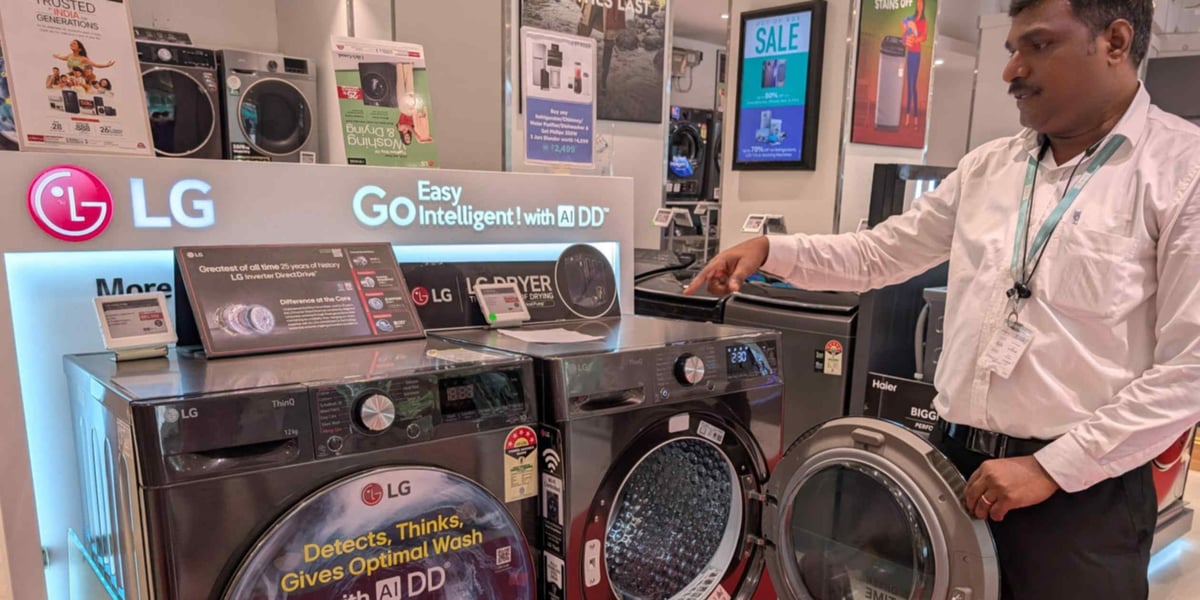
Rate-cut expectations are adding fuel to the consumer-sector rotation. The Reserve Bank of India has cut the policy repo rate twice since February 2026, with forward guidance from the monetary policy committee pointing toward additional easing in the second half of the calendar year. Consumer-facing goods such as ACs, refrigerators and fans gain on two dimensions when rates fall: the financing cost for EMI-funded purchases drops, making ownership accessible to the next tier of household income, and the discount rate applied to long-duration earnings compresses. Portfolio managers rotating out of defensives have found consumer durables a natural landing spot. The same rate-cut thesis that is driving FMCG volumes on the back of rural demand recovery is making the case for consumer durable penetration at lower income bands.
India’s structural AC story provides the floor that rate cycles cannot take away. AC ownership in Indian households remains below 10%, the lowest among comparable-income economies. That gap does not close in one summer or one rate cycle. The demand ceiling is far above current volumes, which means any pull-forward from an extreme heat year still leaves structural growth intact. The risk is not structural; the risk is sequencing. If the heatwave in Q1 pulled demand forward from the second half of the year, the festive quarter in September and October will reveal it.
That is the question Voltas’s one-million-unit milestone cannot answer. The AC buying calendar runs from March to June, goes quiet through the monsoon months, and picks up again on festive promotions in autumn. Whether the record Q1 volume represents net-new consumption or a seasonal acceleration of purchases that would have happened anyway is what will separate a strong H2 from a moderated one. Havells’s festive season will serve as the verdict on its brand-spend calculation. Crompton’s H2 will show whether its margin improvement is durable or linked to a one-quarter cost discipline that softens when revenue pressures mount.
The festive-season setup that is driving India’s realty stocks is the same macro backdrop consumer durables companies are counting on. Whether the season delivers on the promise of two rate cuts and a cooling demand that set records before the monsoon arrived remains the one number still outstanding.