
BOSTON — For most people diagnosed with metastatic pancreatic cancer, the conversation with their oncologist follows a familiar and grim script: one round of chemotherapy, then another, until the options run out. For most, that script ends within six to seven months. On Wednesday, the Food and Drug Administration gave those patients a new chapter.
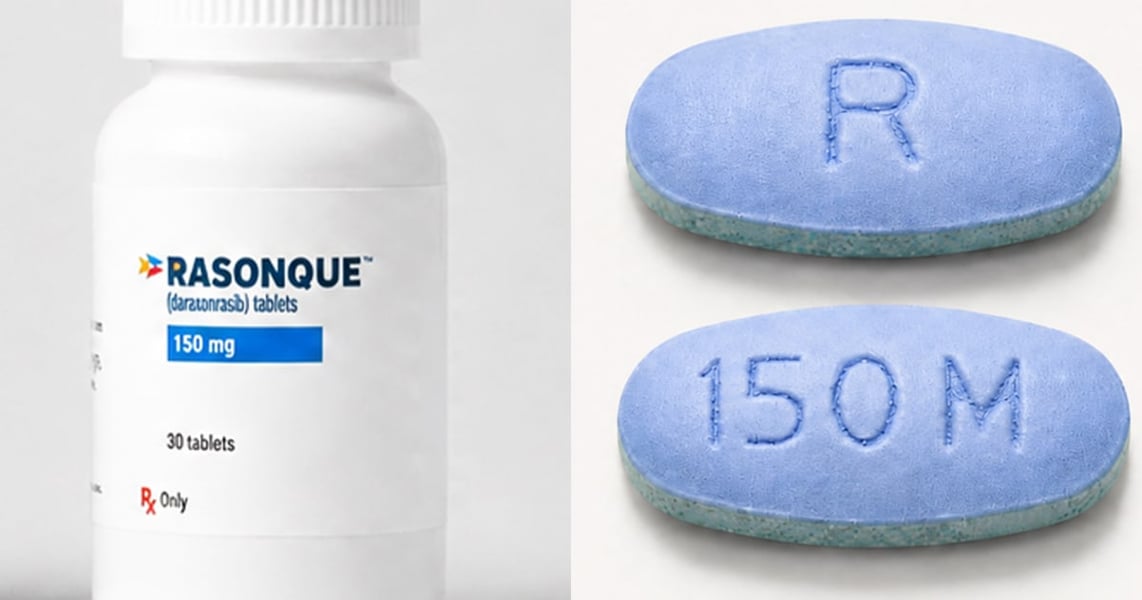
The agency approved daraxonrasib, sold under the brand name Rasonque, for adults with metastatic pancreatic adenocarcinoma who have already received at least one line of treatment, or who cannot tolerate combination chemotherapy at all. Developed by Revolution Medicines, it is the first drug of its kind to target the KRAS protein, the mutation driving tumor growth in more than 90 percent of pancreatic cancers and long considered among the most difficult molecular targets in all of oncology.
The approval came more than six months ahead of the FDA’s target review date, a reflection of the agency’s own urgency in getting the drug to patients quickly. Pancreatic cancer kills roughly 50,000 Americans each year and carries a five-year survival rate of around 13 percent, one of the lowest of any solid tumor.
For decades, oncologists understood that KRAS mutations were the engine of the disease. What they could not do was turn it off. The mutation sits in a protein with few obvious binding sites, earning it a label that became something of a shorthand for futility in cancer drug development: “undruggable.” Revolution Medicines found a way through using what the company describes as a molecular glue, a compound that binds simultaneously to multiple KRAS subtypes rather than locking onto a single target. The approach traps the protein in an inactive state, cutting off the fuel supply that drives tumor growth.
The drug’s approval is built on results from RASolute 302, a randomized Phase 3 trial that enrolled 500 adults whose metastatic pancreatic cancer had stopped responding to prior treatment. Half received daraxonrasib as a once-daily oral pill; the other half received the physician’s choice of standard chemotherapy. The results, presented at the American Society of Clinical Oncology annual meeting in May and published simultaneously in the New England Journal of Medicine, were striking by the standards of a disease where measured advances are hard won. Patients on daraxonrasib achieved a median overall survival of 13.2 months, compared with 6.7 months for those on chemotherapy. Nine out of ten patients who received the drug saw their cancer shrink or stop growing.
Brian Wolpin, who directs the Hale Family Center for Pancreatic Cancer Research at Dana-Farber Cancer Institute and led the trial, described the results as a turning point for a cancer that has resisted targeted therapy longer than almost any other. The Phase 3 data showed fewer severe side effects in the daraxonrasib arm than in the chemotherapy group, though published findings note that long-term safety outcomes and durability of response in broader patient populations require further study.
Unlike many targeted cancer therapies that require a companion diagnostic test confirming a specific gene variant, daraxonrasib received approval without one. Any patient with metastatic pancreatic adenocarcinoma who meets the treatment-line criteria is eligible, regardless of which KRAS variant drives their tumor. The FDA noted in its announcement that this breadth of indication significantly expands the patient population eligible to receive the drug from day one.
The approval follows an earlier regulatory intervention that Eastern Herald covered in May, when the FDA authorized daraxonrasib early access for patients ahead of full approval, a mechanism designed to reach those whose only remaining option was waiting.
At $39,800 per month, the question many oncologists and patient advocates are pressing is whether the survival gains will reach the patients who most need them. Access programs and insurance coverage determinations will shape how quickly Rasonque moves from FDA approval to hospital formularies. Revolution Medicines said in a statement that it is working to ensure broad access from the moment of approval, but did not disclose terms of any patient assistance programs.
What daraxonrasib does not yet answer is whether it can extend survival in patients who receive it earlier in their treatment journey. RASolute 302 was a second-line trial. Whether targeting KRAS at the front line, before chemotherapy rather than after, produces larger gains, or whether combinations of daraxonrasib with other agents might push median survival further still, are questions that ongoing trials are now designed to answer.
For a disease that has frustrated generations of oncologists and taken some of the most difficult patients in medicine with little to offer them in return, that is a meaningful beginning. Whether it becomes a transformation depends on what comes next.