
AHMEDABAD — The physical silver market in India’s most trader-intensive city corrected faster and cheaper than almost anywhere else this weekend. Gujarat’s proximity to the country’s largest silver refineries made that possible. What Jackson Hole took on August 28 and 29, Ahmedabad’s bullion dealers on Relief Road and around Manek Chowk recovered within a single trading session.
The 999-purity rate in Ahmedabad stood at ₹258 per gram on 31 August — the lowest among India’s major cities, because Gujarat-based processors can source refined bars with the shortest supply chain in the country. Dealers in the Relief Road wholesale district were quoting ₹2,580 per 10 grams by mid-morning, the same level the metal had held on August 22 before Federal Reserve chair remarks in Wyoming triggered a two-day sell-off.
Silver Rate in Ahmedabad Today – 31 August 2026
| Quantity | 999 Purity Silver Rate |
|---|---|
| 1 Gram | ₹258 |
| 10 Grams | ₹2,580 |
| 100 Grams | ₹25,800 |
| 250 Grams | ₹64,500 |
| 500 Grams | ₹1,29,000 |
| 1 Kilogram | ₹2,58,000 |
The Federal Reserve chair’s remarks at the Jackson Hole symposium on August 28 knocked the MCX silver September contract from ₹2,58,000 per kilogram to ₹2,41,000 on August 28, and further to ₹2,37,000 on August 29. Ahmedabad’s physical rate tracked the MCX move without hesitation — Relief Road dealers lowered quotations in step with the futures market. That two-session drop was the steepest the metal had seen in three months, a move captured alongside other cities in silver prices across India today. By Monday morning, the MCX had recovered and so had the city’s spot price, returning to the pre-Jackson Hole baseline as buyers who had watched from the sidelines stepped in.
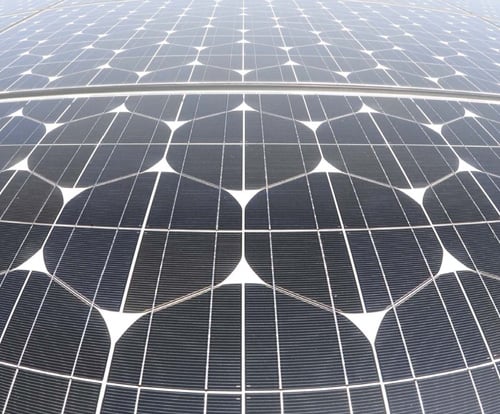
The structural reason silver’s sell-offs keep finding buyers is documented in the World Silver Survey 2026, which, according to the Silver Institute, projected a sixth consecutive annual supply deficit of 215 million troy ounces. Industrial demand is the driver that mine supply cannot match: solar panel manufacturers require silver paste in quantities that have grown with global renewables capacity, AI data infrastructure needs silver contacts, and EV battery systems add a second expanding industrial front. That demand floor is what makes each sell-off temporary — physical buyers recognise that the metal’s industrial users will keep consuming regardless of where the dollar trades on any given day.
Historical Silver Rate in Ahmedabad
| Date | Per Kg | Per Gram |
|---|---|---|
| August 31, 2026 (today) | ₹2,58,000 | ₹258 |
| August 30, 2026 | ₹2,58,000 | ₹258 |
| August 29, 2026 | ₹2,37,000 | ₹237 |
| August 28, 2026 | ₹2,41,000 | ₹241 |
| August 22, 2026 | ₹2,58,000 | ₹258 |
| August 16, 2026 (August high) | ₹2,65,000 | ₹265 |
| July 30, 2026 | ₹2,63,000 | ₹263 |
| June 30, 2026 | ₹2,50,000 | ₹250 |
| January 2026 (all-time high) | ₹4,70,000 | ₹470 |
| August 2025 | ₹1,50,000 | ₹150 |
The year-on-year gain is approximately 72%. Ahmedabad’s silver rate twelve months ago was around ₹1,50,000 per kilogram. The January 2026 spike — when international spot silver briefly touched $121.67 per troy ounce — pushed Ahmedabad’s retail rate above ₹4,70,000 per kilogram. Relief Road dealers suspended fresh quotations during that peak; bars that arrived were sold before price boards could be updated. The correction since then has traced the familiar staircase pattern: each sell-off is shallower than the one before, and each recovery restores the prior level.
Ahmedabad’s position as one of India’s lowest-cost silver markets reflects pure geography. Gujarat hosts several of the country’s major silver refinery operations, which means fewer intermediaries and lower freight costs between the refinery and the retail counter. The ₹2-per-gram gap between Ahmedabad and Delhi’s benchmark is essentially the road distance from Ahmedabad to Delhi converted into transportation margin. Jewellers on Relief Road and around Manek Chowk pass that advantage directly to buyers, which is why trade volumes in the city’s old bullion market tend to be higher than in cities where the same silver arrives at a premium. The silver rate in Surat today on 31 August similarly reflects Gujarat’s refinery advantage.
Ahmedabad’s silver demand runs across two broad segments. The jewellery market serves the city’s traditional preference for silver ornaments, particularly the elaborate silverware and utensils that are standard gifts in Gujarati weddings. The industrial segment is quieter but consistent: textile machinery, chemical plant components, pharmaceutical equipment and the electronics manufacturing clusters around Sanand and Changodar all draw on silver-based components.
The Ahmedabad rate includes 3% GST applied on the MCX base price. Large-quantity buyers verify their quotations against the Indian Bullion and Jewellers Association daily rate published from Mumbai. For purchases above 500 grams, cross-referencing the IBJA benchmark before transacting is standard practice in the Relief Road district.
Gold in Ahmedabad traded near ₹16,020 per gram on 31 August, placing the silver-gold ratio at approximately 62:1. Alongside gold’s move, silver rates across Indian cities today held the recovery through the day. Within silver’s historical range against gold — between 60 and 80 during recent years — that ratio positioned the metal near the lower bound of its relative valuation, the zone that has consistently drawn buyers.
Whether the recovery sustains through next week rests on COMEX silver’s ability to hold above $67 per ounce after Friday’s intraday high of $71 gave way before settlement. Ahmedabad’s dealers, who watch the MCX screen as closely as they watch footfall on Relief Road, have seen this pattern before: a sharp sell-off, a fast recovery, and a question that only the following week can answer.