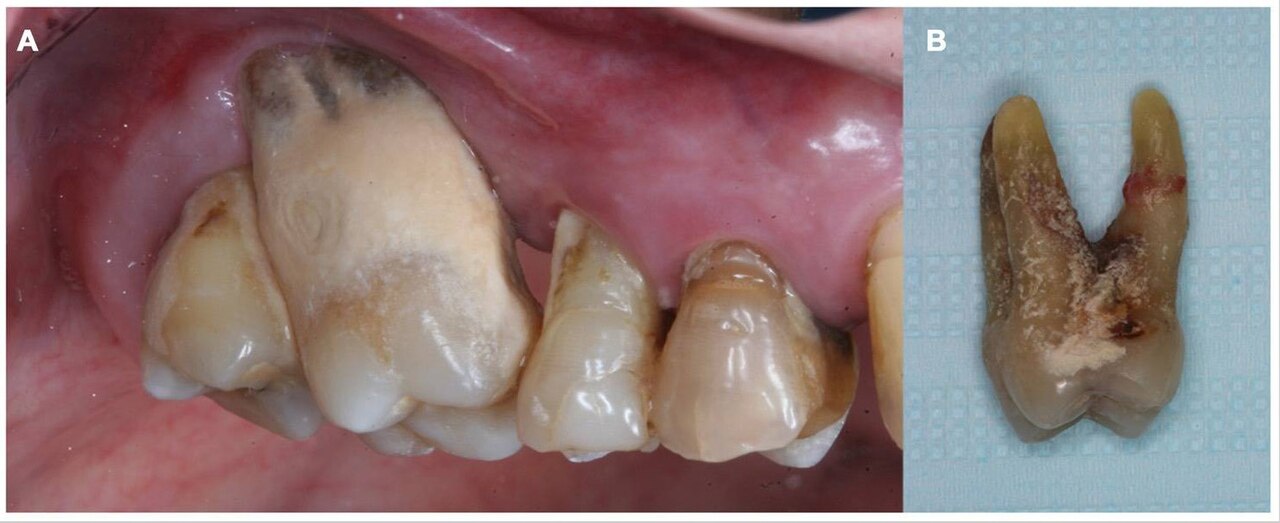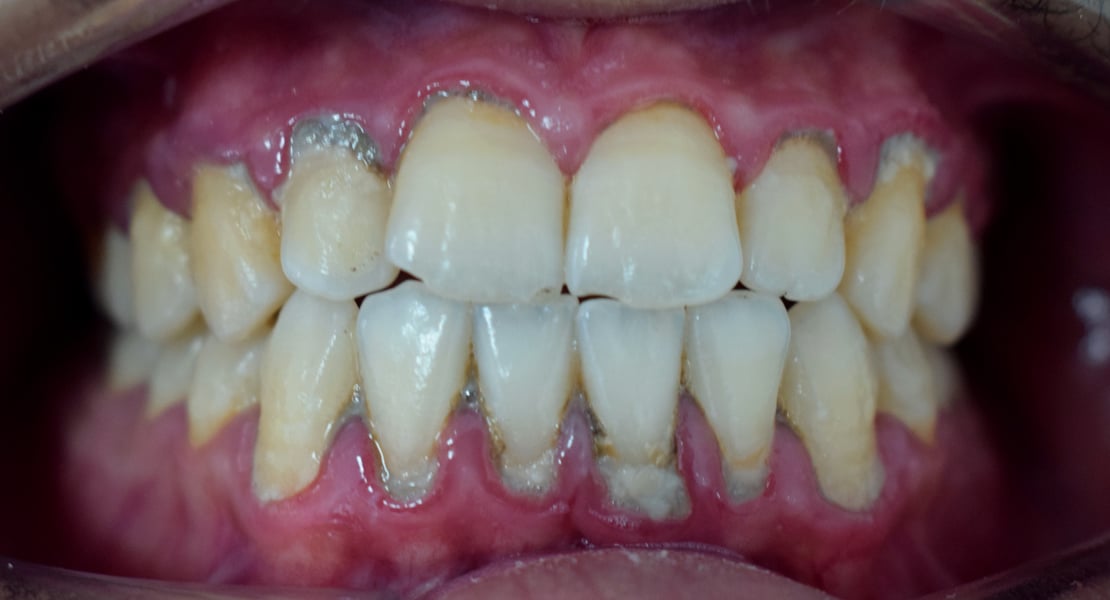

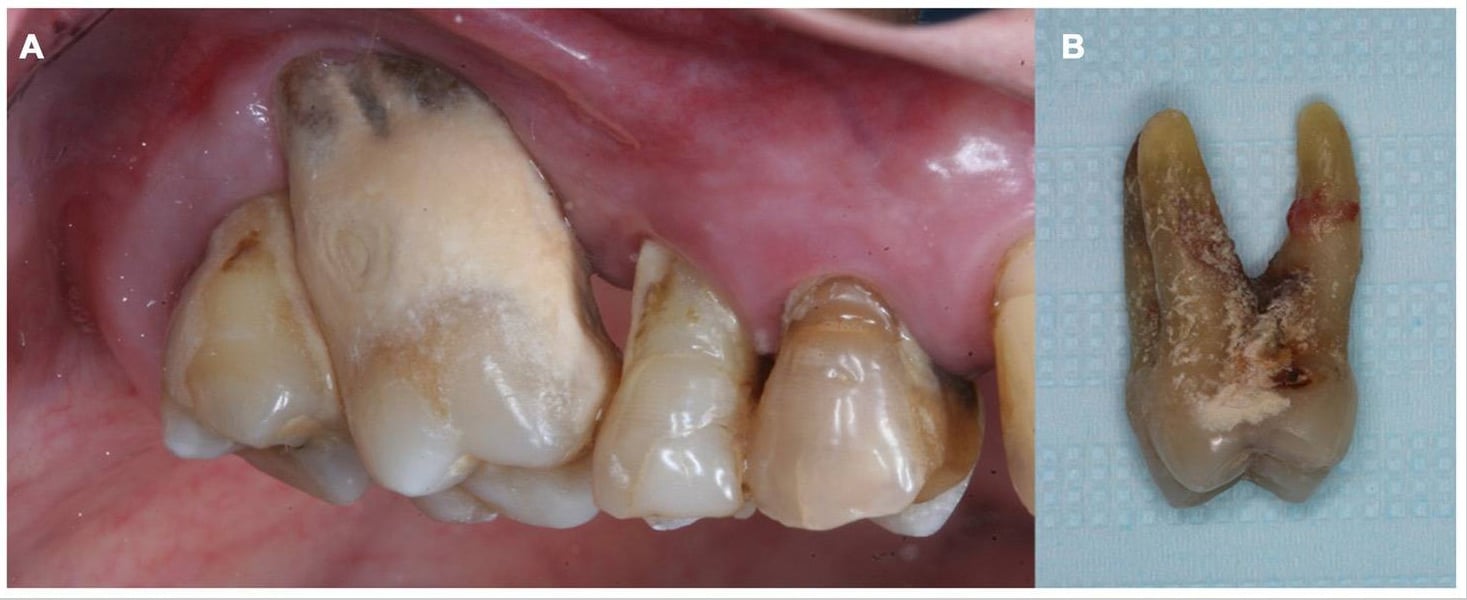
SAO PAULO — For patients facing a diagnosis of advanced gum disease, the treatment conversation has long ended in the same place: antibiotics. Specifically, a 14-day course of metronidazole and amoxicillin, widely accepted as the most evidence-backed approach for the most severe cases. That consensus just became considerably more complicated.
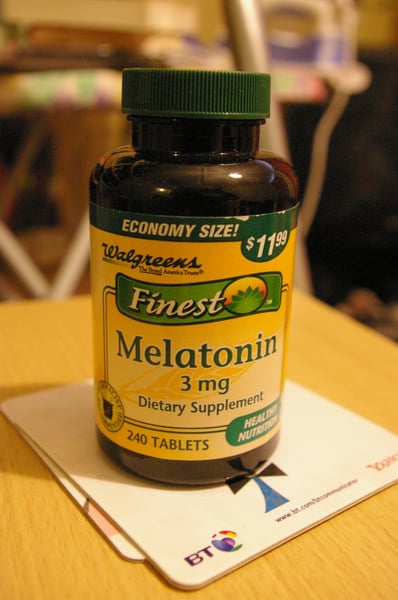
A year-long, multicenter, double-blind, randomized controlled trial published in the Journal of Periodontology has found that patients who received omega-3 fatty acids and low-dose aspirin instead of antibiotics achieved virtually the same results — about 57.7 percent reached the clinical target of no more than four remaining deep periodontal pockets, compared to 58 percent in the antibiotic group.
The study enrolled 109 adults with stage III or IV periodontitis — the severest classifications, involving significant bone loss and a high risk of eventual tooth loss — and divided them into four treatment arms. All received subgingival instrumentation, the deep cleaning procedure in which a dentist removes bacteria and plaque from beneath the gum line. Three groups then received additional therapies: antibiotics alone, omega-3 and aspirin alone, or all three combined. A fourth group received instrumentation plus a placebo.
The gap between the placebo group and the three active treatment arms was stark. Only 23 percent of patients who received dental cleaning and nothing else met the trial’s clinical benchmark. Each of the three active treatment arms roughly doubled that figure. What the researchers had not anticipated was that no hierarchy would emerge among them — that supplementing with omega-3 and aspirin for six months would perform as well as a 14-day antibiotic course with decades of clinical evidence behind it.
Lead researcher Nidia Castro dos Santos, a professor at the Albert Einstein Israelite Hospital in São Paulo, acknowledged the finding was unexpected. “The result was surprising because the two therapies performed very similarly,” she said, noting in its published study that the equivalence “paved the way” for omega-3 and aspirin to become a treatment option for these patients. The research was conducted in collaboration with Guarulhos University, the University of Taubaté, and the Ribeirão Preto School of Dentistry at the University of São Paulo, along with Harvard University.
The mechanism by which the supplement combination achieved results comparable to bacteria-killing drugs is still being investigated. Antibiotics target the microbial source of the infection directly, reducing the pathogen load that drives gum inflammation. Omega-3 fatty acids and aspirin work through an entirely different pathway: both are immunomodulators, compounds that alter the body’s inflammatory response rather than the bacteria producing it. The finding that modulating inflammation produced outcomes nearly identical to targeting the infection is itself a research question — one the trial raises more clearly than it resolves.
There is also the durability question. Patients in the omega-3 and aspirin arm stopped supplementation at the six-month mark. When researchers checked back at 12 months — six months after the supplements ended — those patients continued to show results comparable to what they had achieved at the end of treatment. That sustained benefit after cessation suggests something beyond a temporary anti-inflammatory effect, though the mechanisms involved remain unclear.
The study’s limitations are not incidental. It enrolled 109 patients at institutions across Brazil, and whether the results hold in broader, more diverse populations remains unknown. The antibiotics used — metronidazole and amoxicillin — are the global standard for severe periodontitis, giving the comparison its clinical weight, but the trial tested one specific antibiotic protocol, not the full range of antimicrobial options available. Perhaps most practically, low-dose aspirin is not appropriate for everyone: patients on blood thinners, those with aspirin sensitivity, or those at elevated bleeding risk may not be candidates for this protocol regardless of how well it performs in trials.
Periodontitis affects roughly 47 percent of American adults over 30 in some form, making it one of the most common chronic conditions in the country. At its most severe stages, it has been linked to systemic inflammatory effects — the same kind of low-grade chronic inflammation that researchers have separately documented in studies connecting ultra-processed food cancer risk and heart failure risk to common everyday exposures.
What the trial does not settle is whether omega-3 and aspirin would work as a standalone treatment, without the subgingival instrumentation that all four groups received. The deep cleaning was the constant across all arms — the baseline intervention that made any clinical improvement achievable. The supplements and antibiotics were additive therapies layered on top of it. The study, available in its published abstract, does not test what happens when supplements replace cleaning entirely.
For patients already facing the instrumentation protocol, there may now be an evidence-backed alternative to the antibiotic component. Researchers, including the team at Albert Einstein Israelite Hospital, say additional studies in broader populations will be needed before omega-3 and aspirin can be treated as a routine replacement for antibiotics in severe periodontitis. What the trial establishes is that the question is worth asking — and that among 109 patients over one year in Brazil, the answer was more surprising than the investigators had expected.
Related Posts