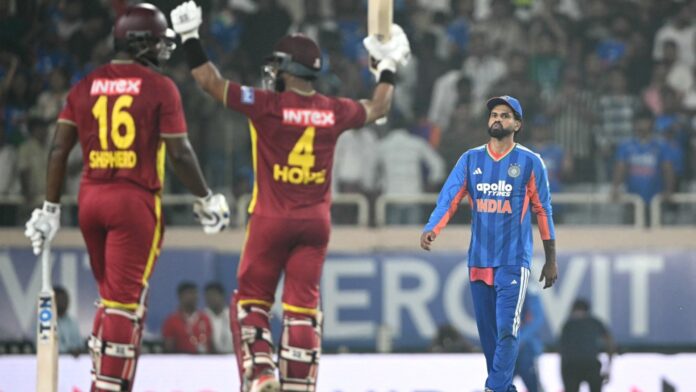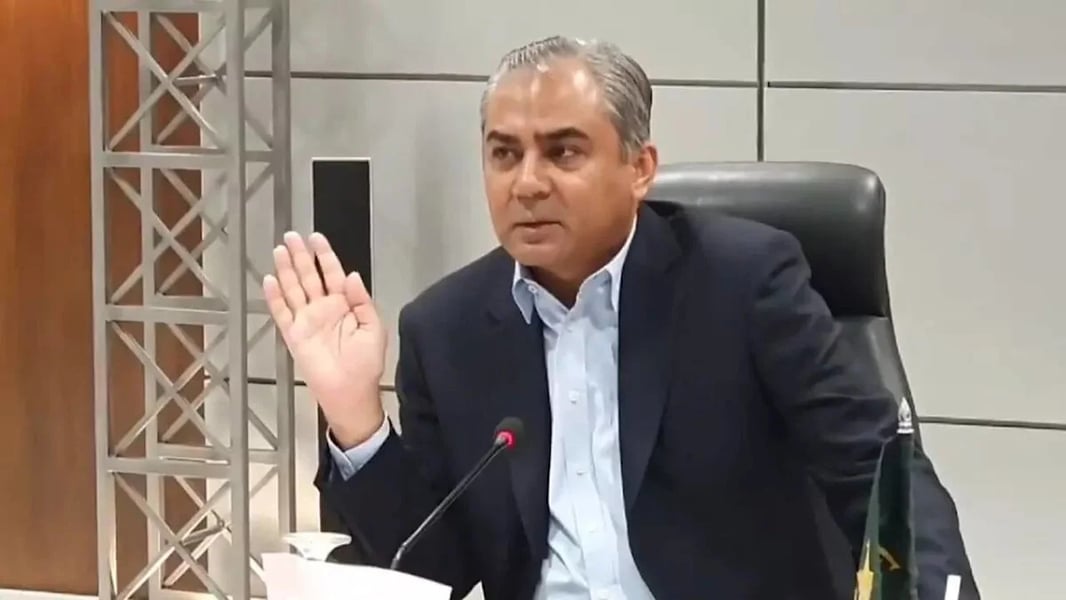

LONDON — A chairman under pressure does not announce a press conference in London to accept blame. Mohsin Naqvi arrived at Thursday’s media briefing in a city where Pakistan had just lost two Test matches in a row, by an innings and 103 runs and then by 194 runs, and deflected the first question by asking critics whether cricket had ended in India when Ireland beat them in Belfast.
“Let me ask you one thing: South Africa lost to Namibia, and India lost to Ireland. Has cricket ended there as well?” Naqvi told reporters. The question was rhetorical. The answer he did not supply is that neither South Africa’s defeat by Namibia nor India’s T20I series loss in Belfast had come at the end of a sequence that included dropping seven players, sacking a head coach, recalling Misbah-ul-Haq to the selection committee and then issuing him formal notices within the same eight-week period.
Pakistan have lost fifteen of their last twenty Test matches. At Headingley on August 20, they were bowled out twice for under 180 in an innings-and-103-run defeat. Ten days later at Lord’s, Ollie Robinson’s 8 for 35 across the match sent them to a 194-run loss in four days. The Edgbaston Test starts September 9. Pakistan will field five players who have never played a Test match. Ireland beat India in two T20Is in June. These are not the same conversation.
Before the London press conference, seven changes Pakistan made for Edgbaston had already drawn fury from Shahid Afridi, who called it the most shocking selection in his memory, and prompted Misbah’s resignation when he was told he would be issued a formal notice seeking explanation for player recommendations.
Naqvi did not deny that mistakes had been made. “Sometimes there are mistakes made in selection as well. I am answerable for that,” he said. He followed that concession, however, with the rankings: Pakistan are fifth in ODIs, having risen from eighth; sixth in T20Is, having risen from ninth. “Our success rate has gone up from 24 per cent to 73 per cent,” Naqvi added. None of those statistics describe Test cricket, which is the format Pakistan have now lost four consecutive matches in, against two different opponents.
The warning Naqvi issued about Wasim Akram was the sharpest moment of the briefing. Responding to criticism from Pakistani greats who have spoken publicly about the Edgbaston selection, Naqvi said: “If a great player like Wasim Akram spoke, I would take it seriously.” Akram, who played 104 Tests and took 414 wickets, has been one of the most consistent voices calling for structural reforms at the PCB. Whether Naqvi views Akram’s actual criticisms as valid was not made clear.
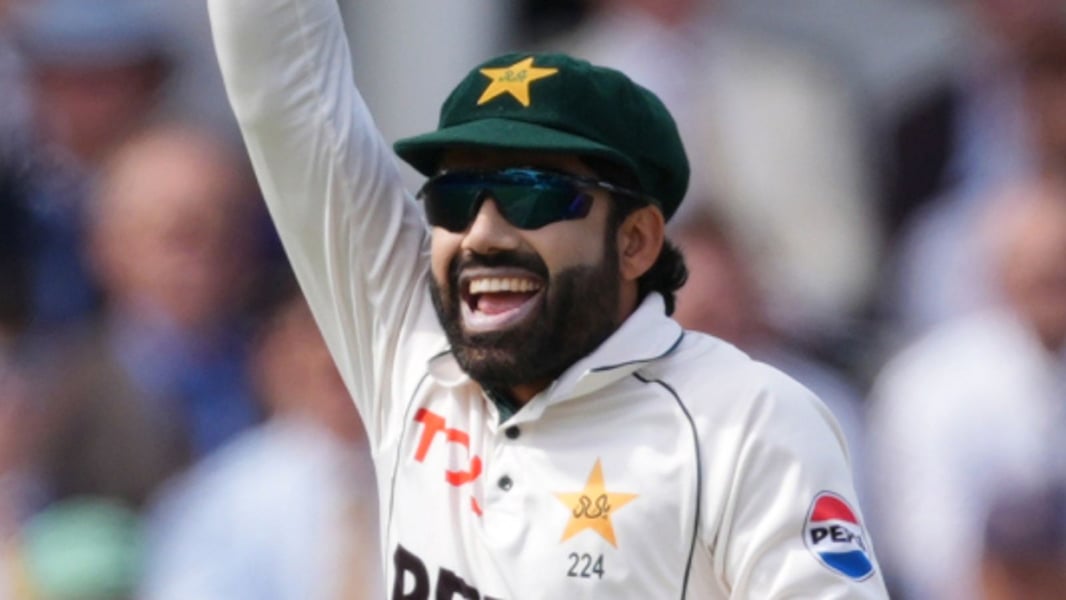
The overhaul that produced this situation began when Sarfaraz Ahmed’s sacking and the release of seven players arrived before a single ball had been bowled in the last week of August. Sarfaraz departed after a coaching tenure that stretched only to the Lord’s Test; the players went for reasons ranging from injury to poor form to selections the new coaching staff apparently could not endorse. Mike Hesson, the New Zealand coaching veteran, had eight days to prepare Pakistan’s replacement lineup. He arrives in Birmingham without having worked previously with any of the players he will manage at Edgbaston.
Naqvi framed the white-ball improvement as evidence of patient administration surviving unfair scrutiny. “It is not possible to take a team from number nine to number one in three or six months,” he said. The argument is not entirely without merit in isolation. Cricket boards are often held to impossible timelines by commentators whose influence over selection exceeds their appetite for the institutional complexity of rebuilding.
What the ranking argument does not address is the texture of Pakistan’s Test defeats in England. Robinson and Archer did not exploit unusual conditions. They exposed a persistent technical vulnerability, left-shoulder weakness against conventional seam movement, that has defined Pakistan’s Test batting in English conditions for the better part of a decade. No combination of ODI success rates corrects that. The Ireland comparison does not diminish it.
According to Yahoo Sports, Naqvi confirmed he has never feared criticism and does not intend to start. That is a defensible position for a chairman managing a genuine rebuilding program. It is a harder one to maintain when the rebuilding appears to have been accelerated by a crisis into which his own board’s decisions contributed.
The Edgbaston Test on September 9 will be the first real answer to the question Naqvi’s London conference avoided. Whether the five uncapped players perform is, in one sense, beside the point: Pakistan are already two Tests down and cannot win the series. What Edgbaston will reveal is whether the PCB’s selection reset represents a coherent development pathway or panic dressed in the language of planning. Mohsin Naqvi did not make that answer clearer in London. He moved the subject to Belfast.