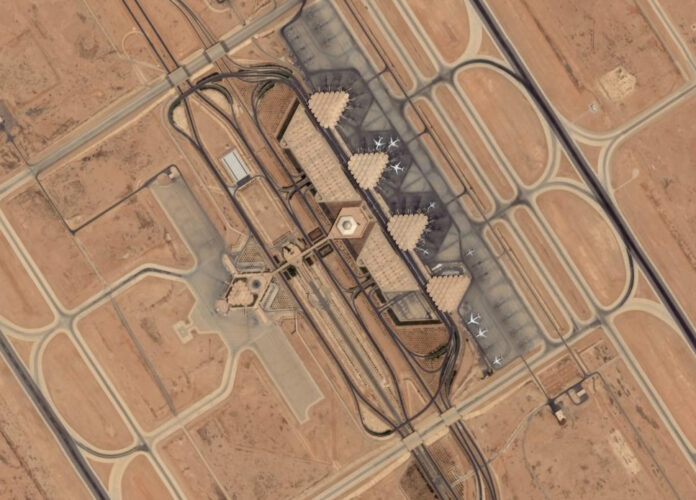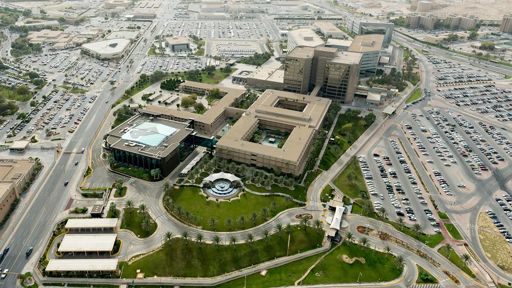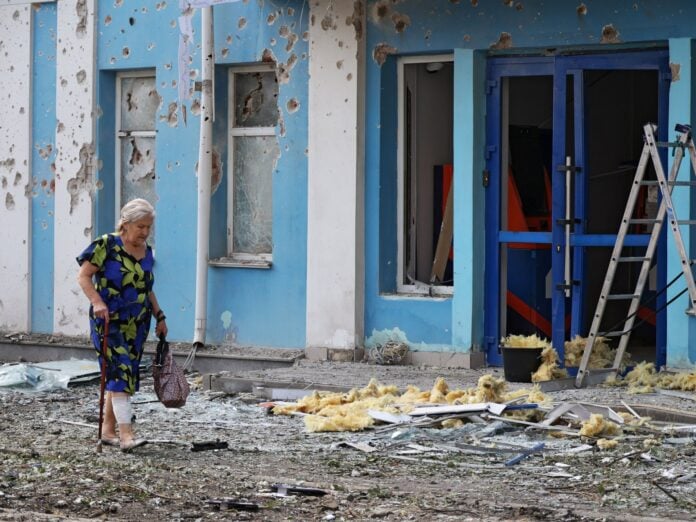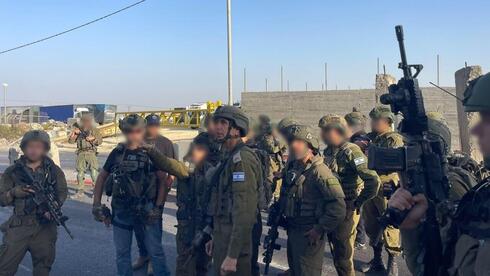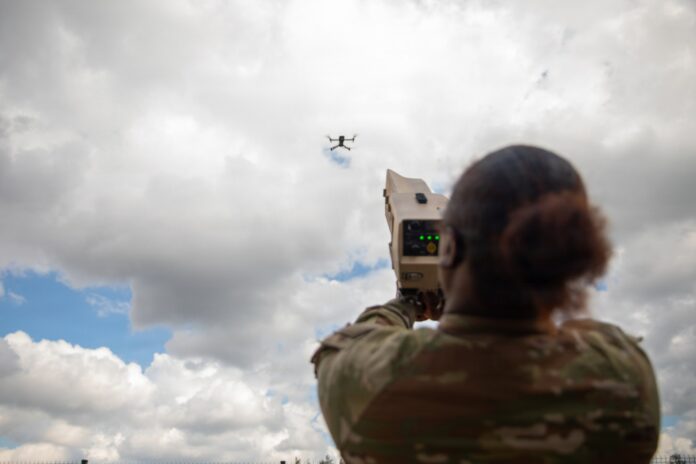

ABHA — Before dawn Thursday, civil defense sirens sounded across Khamis Mushait and Abha as the two Saudi cities faced another round of Houthi ballistic missile and drone attacks after a week of strikes on Saudi territory. The warnings came after the Houthis vowed to continue targeting Saudi Arabia following 54 Saudi airstrikes across six Yemeni provinces, as the UN special envoy for Yemen issued the organization’s starkest warning yet about the risk of a wider conflict.
Hans Grundberg, the UN’s personal envoy for Yemen, told the Security Council this week that the country “today faces a more serious risk of return to large-scale conflict than at any point since the 2022 UN-mediated truce.” The truce held, albeit imperfectly, for four years. Thursday’s sirens raised fresh questions over whether it can survive the month.
The immediate trigger was a Houthi offensive that opened on September 3, when the Iran-backed group launched what it described as a broad operation to seize the Bab-el-Mandeb strait, the southern chokepoint of the Red Sea and one of the most strategically significant waterways on earth. Fighting in the coastal regions left at least 129 people dead in that opening push. Since August 24, the World Health Organisation has counted more than 1,000 killed or wounded across Yemen and tens of thousands displaced from their homes.
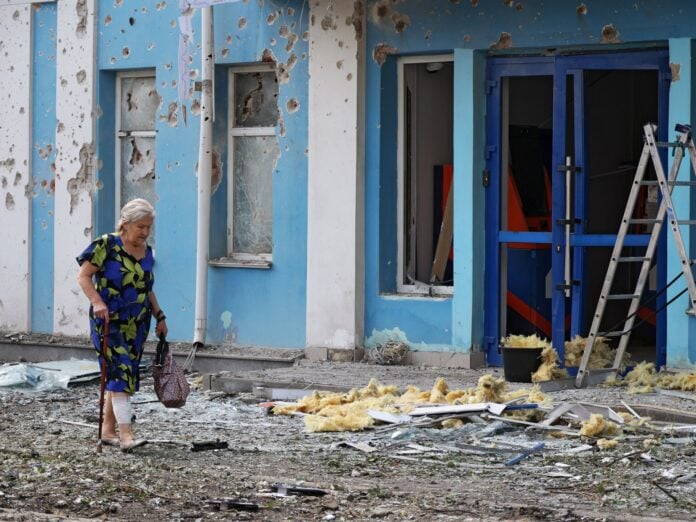
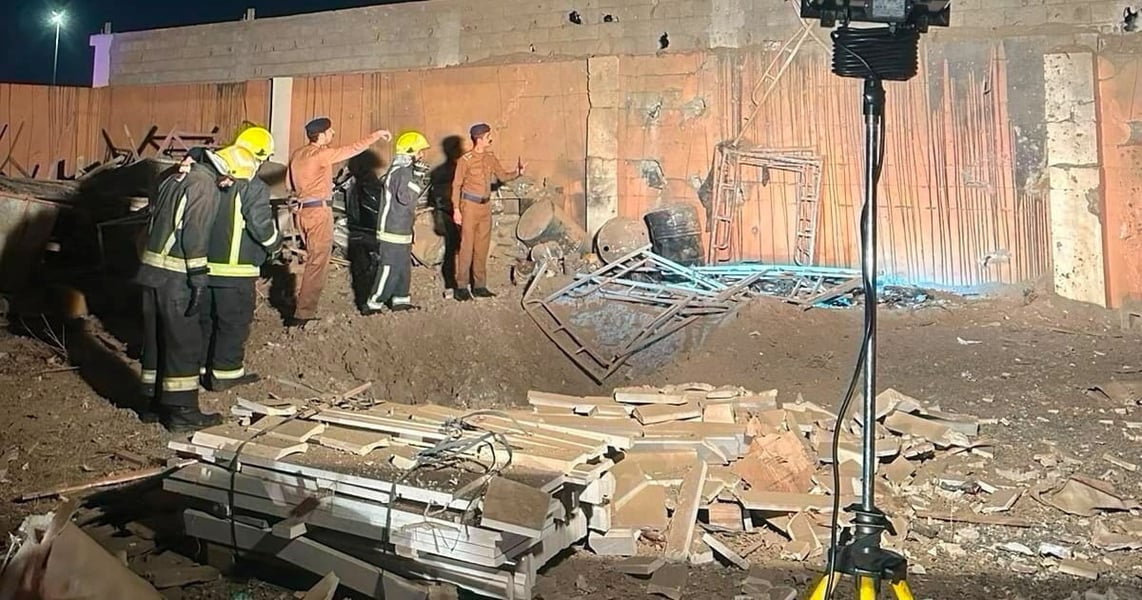
On Tuesday, the Houthis sharply raised the stakes by targeting Saudi Arabia directly. Ballistic missiles and drones struck Abha, Khamis Mushait, Jazan, and Najran, wounding 73 civilians and setting ablaze facilities belonging to Saudi Aramco across the kingdom’s southern energy corridor. Riyadh responded with 54 airstrikes covering al-Jawf, Marib, Taiz, Hodeidah, Saada, and al-Bayda. The Houthis claimed Saudi strikes killed three children in a prison attack. Saudi Arabia denied it.

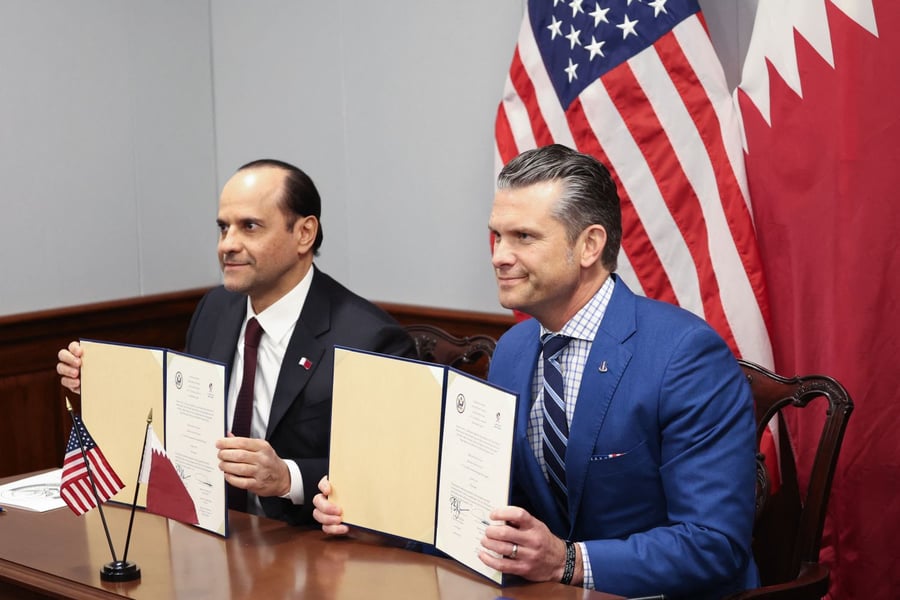
What distinguishes this escalation from a decade of similar cycles is how completely it has shattered the architecture that contained the war. The Houthis are now simultaneously operating as Iran’s most aggressive proxy in the broader regional confrontation and pursuing their own territorial objective: seizing the Bab-el-Mandeb and forcing Saudi Arabia to choose between escalating inside Yemen or accepting Houthi control of Yemen’s western coastline. Riyadh sits at the centre of a mutual defence arrangement that has never been activated under fire. Pakistan’s foreign ministry said Thursday the Makkah Defence Alliance is not ready for expansion and needs more time to implement, a position read in Riyadh as a signal that Islamabad is reluctant to commit to direct confrontation. The agreement’s activation conditions remain deliberately unspecified.
The UN Security Council’s emergency session this week reached no formal resolution but produced language not used about Yemen in years. Multiple members described the risk of the country entering a full-scale regional war as the gravest in four years. Grundberg called the escalation “extremely alarming” and warned that attacks on civilian infrastructure and energy facilities were undermining every effort toward a political solution, Al Jazeera reported.
That political solution, a formal peace agreement to end a decade-long civil war, has been in intermittent negotiation since the 2022 truce emerged from a Saudi-Iranian diplomatic rapprochement brokered by Oman. The rapprochement briefly promised to drain the conflict of its most combustible fuel. It is now under visible strain. Saudi Arabia has not publicly blamed Iran for directing the Houthi escalation, but officials in Riyadh describe the current campaign as coordinated. The Houthis frame their strikes on Saudi territory as defensive retaliation for what they call a Saudi campaign of aggression running continuously since 2015.
Oil markets have already begun pricing in the risk. Brent crude crossed $100 a barrel this week after the strikes on Aramco facilities raised questions about Saudi Arabia’s production buffer at the precise moment the US-Iran tanker war in the Gulf is constraining global supply from the other end. A simultaneous disruption at Bab-el-Mandeb and in the Gulf of Oman would leave fewer than two viable oil export corridors for the entire Gulf region.
The Khamis Mushait sirens fell silent Thursday morning without incident. Whether that silence reflects restraint or preparation is the question the UN envoy, the Saudi government, and the Houthi leadership are each trying to read into the other’s next move. Grundberg has said Yemen cannot absorb another decade of destruction. For now, the 2022 truce remains the framework everyone has stopped following and nobody has formally abandoned.