
WASHINGTON — The summit was supposed to be a capstone.
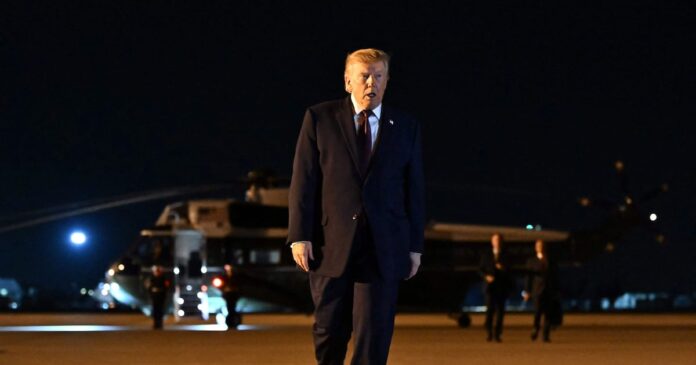
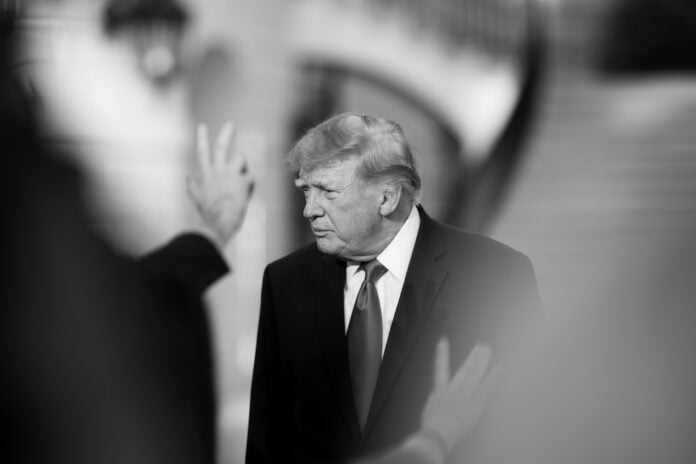
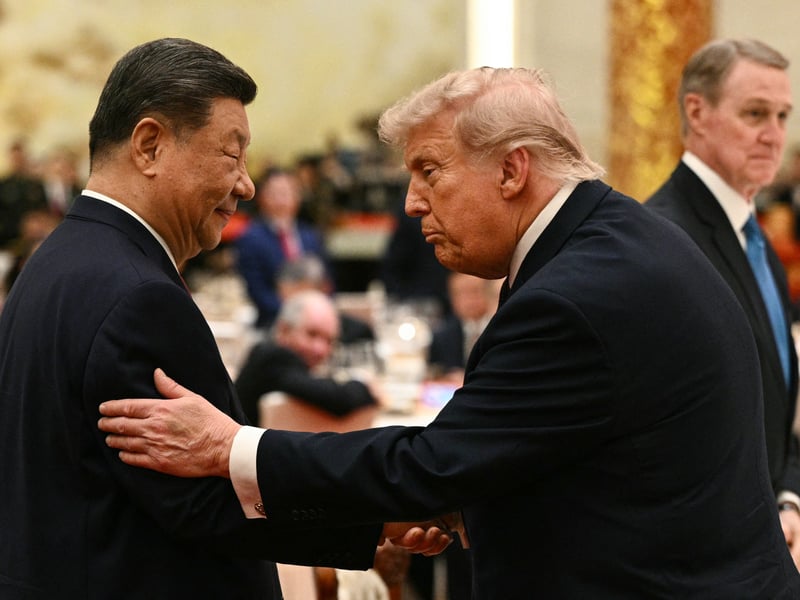
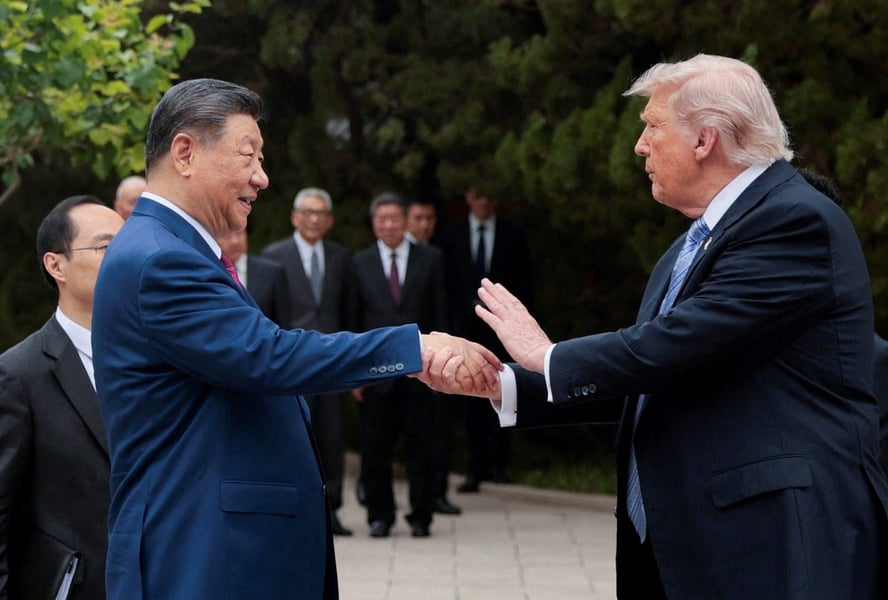
Donald Trump spent much of the summer cultivating the prospect of a September 24 meeting with Xi Jinping at the White House. It would be his third face-to-face meeting with the Chinese president in a year, and he presented it as evidence that the world’s most consequential bilateral relationship remained manageable under his stewardship.
On Saturday, Beijing warned that the meeting might not happen at all.
China conveyed through diplomatic channels that any approval of new arms sales to Taiwan before September 24 would result in the summit’s cancellation. The warning was unambiguous: Beijing reiterated that Taiwan is the “red line” in the US-China relationship, and crossing it before the White House meeting would make Xi’s visit impossible.
The timing cuts for Trump. November’s congressional midterms are ten weeks away, and a cancelled summit with the world’s second-largest economy would be difficult to absorb. His administration has positioned the bilateral relationship as one of its signature foreign policy achievements: three summits in a year, a partial trade framework, a nominal pause on escalation. A public breakdown over Taiwan would erase that framing on the eve of the election.
What China is specifically reacting to is not entirely clear from Saturday’s statement. The Trump administration approved an eleven-billion-dollar arms package for Taiwan in December, the largest single sale to the island in American history. That package passed without cancelling any meetings. But since May, when Xi warned Trump directly in Beijing that mishandling Taiwan could push the two countries toward conflict, the terms appear to have hardened.
Xi’s May warning was precise. He told Trump that Taiwan was “the most important issue” in the bilateral relationship and that arms sales sending the wrong signal could trigger a confrontation neither side sought. In the weeks that followed, the US paused a separate fourteen-billion-dollar package, a pause the Pentagon described as tied to munitions conservation for ongoing operations in Iran, not to diplomatic pressure, though Beijing registered the pause differently. Now, with a new package reportedly under review, China is signaling that the May warning was not rhetorical, according to Al Jazeera’s reporting from the Beijing summit in May.
The mechanics of China’s position are not new. Beijing has objected to every major US arms sale to Taiwan since the island’s democracy began in earnest. What has changed since the start of the 2026 Iran war is the context in which those objections land. American munitions stocks are under strain. US military attention is fragmented across multiple active theaters, and Beijing has watched carefully. A moment when Washington is least able to credibly threaten military escalation over Taiwan is precisely when to press the issue diplomatically.
Whether Trump treats an arms review as a concession to China or reframes a pause as strategic prudence, he is constrained. Moving the sale forward risks the summit. Shelving it validates Beijing’s leverage model and invites future pressure. Neither option is clean, and neither resolves the underlying tension: the United States has commitments that require it to arm Taiwan, and China views those commitments as an existential provocation.
Taiwan’s government has not commented publicly on Saturday’s threat. Taipei has grown accustomed to being the subject of superpower bargaining it cannot fully observe or influence. What it can observe is the pattern: every meeting between Trump and Xi produces a round of American reassurances that arms sales will continue, followed by a period when sales are reviewed and sometimes delayed. The reassurances and the delays have coexisted long enough that Taipei’s strategic calculation is essentially unchanged.
What is new is the bluntness. Diplomats do not typically deliver cancellation threats eleven days before a scheduled summit unless they believe the threat has purchase. Beijing has assessed that Trump needs this meeting more than it does. That assessment may be correct. The midterm calendar makes a conspicuous diplomatic failure expensive for the president. Xi faces no comparable electoral constraint.
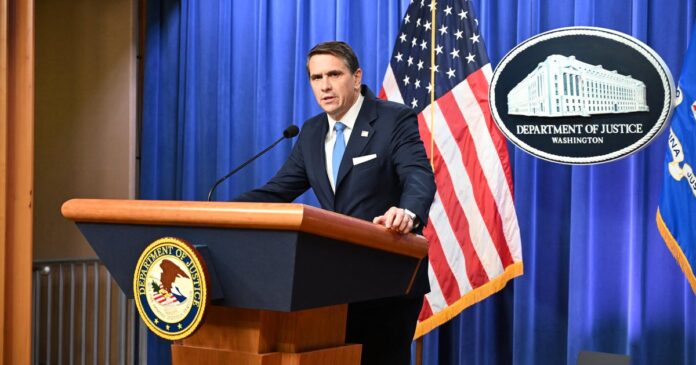
The White House has not responded to Beijing’s statement in public. Whether an off-the-books arrangement is being negotiated, a quiet deferral of the arms package in exchange for confirmation that the summit proceeds, is not known. The composition and value of the arms sale under review have not been officially confirmed by either government, Al Jazeera documented a similar pattern of deliberate ambiguity in the days after their May summit.
What both sides know is that September 24 is eleven days away. The question is whether that is enough time to find a formula that lets Trump hold his summit and lets Beijing claim that the red line, at least for now, held.