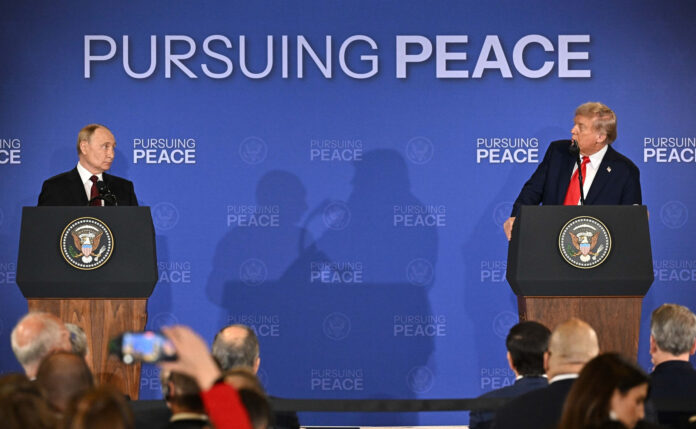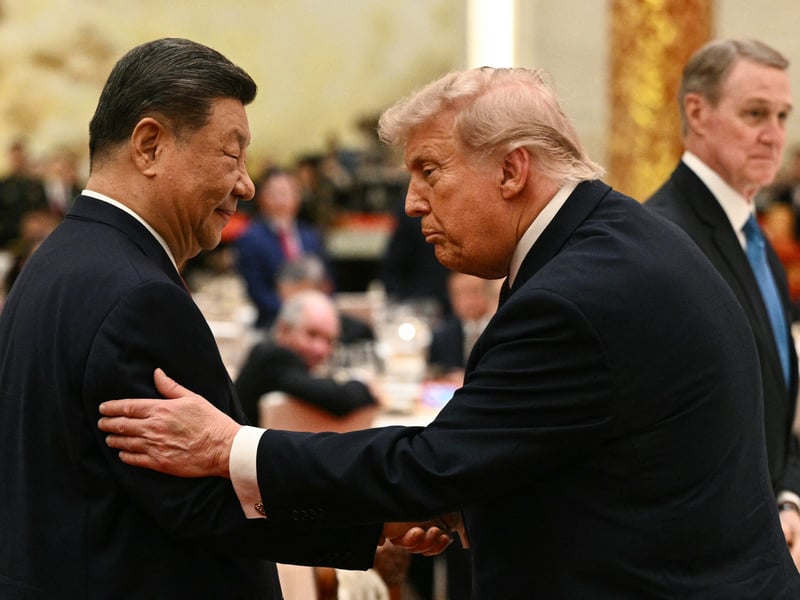

WASHINGTON — Eleven days before Donald Trump’s third face-to-face meeting with Xi Jinping, Beijing has handed the American president a test he has spent months designing for himself. Approve any new weapons package for Taiwan, China’s Foreign Ministry warned Sunday, and the September 24 White House summit simply will not happen.
The ultimatum arrives with Trump’s midterm calendar already closing in on him. Democrats are leading polls for House control. His approval rating sits at record lows. A White House handshake with China’s president, with photographs and statements of stability for the midterm news cycle, has become one of the few levers Trump still controls. Beijing knows this. That is exactly why the warning was issued now.
Foreign Ministry spokesperson Mao Ning reiterated Sunday that Taiwan constitutes an “inviolable red line” in the bilateral relationship, according to a Chinese Foreign Ministry statement. The phrasing was not new. The timing was. Xi had concluded the BRICS summit in New Delhi barely twenty-four hours earlier, his first visit to India in seven years, a careful display of multilateral engagement, and within hours the Foreign Ministry in Beijing was making clear that engagement has limits Washington should not test.
The immediate flashpoint is an $11 billion arms package approved by the Trump administration in December 2025 that has never been delivered. For months, the package sat in a kind of diplomatic limbo, approved on paper but frozen in practice, while Trump and Xi conducted the back-channel conversations that produced the May Beijing summit. At that meeting, Al Jazeera reported, Xi told Trump directly that Taiwan was “the most important issue” in the bilateral relationship and warned that mishandling it could place ties “in great jeopardy” and potentially trigger armed conflict.
Trump, departing Beijing, described those same arms sales as a “very good bargaining chip” in negotiations with China, a formulation that satisfied no one. Taipei read it as a confirmation of what it had always suspected: that its security commitments were fungible. Beijing read it as confirmation that Trump could be pressured. Washington’s foreign policy establishment read it as a president improvising his way through the most consequential bilateral relationship on earth.
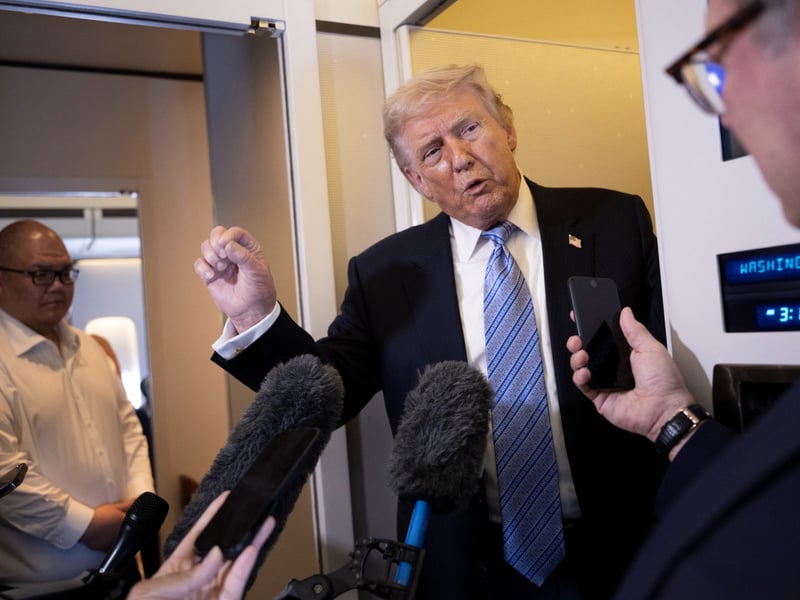
What remains unclear is whether Beijing’s warning reflects a firm decision or a pressure tactic designed to extract the maximum concession before September 24. The two outcomes require different responses, and nothing in Sunday’s Foreign Ministry statement offered guidance on which it was. When the same warning was issued in May, ahead of the Beijing visit, Trump eventually arrived in China anyway. The question is whether that precedent emboldens Washington to call the bluff or persuades Beijing to press harder.
Taiwan’s government responded to the warning with a statement that US-Taiwan ties remained “rock solid.” The phrase is a standard diplomatic formulation. It carries no particular weight about what happens on September 23, when Trump and his advisers will have to decide whether to let the arms package move forward, freeze it further, or find some technical middle ground that neither Capitol Hill hawks nor Beijing will accept as satisfying.
There is a faction in Washington that has been urging exactly such a test. Congressional Republicans aligned with the defence establishment have pressed the administration to certify the December package and deliver it, arguing that the May freeze demonstrated strategic vulnerability rather than diplomatic sophistication. They see Beijing’s summit threat as confirmation of their analysis: that accommodating Chinese pressure on arms sales invites more pressure, not stability.
Trump’s problem is that he faces an electoral imperative and an institutional one at the same time, and they point in opposite directions. The midterm elections reward the appearance of global command—a president negotiating from strength, rather than cancelling summits over weapons packages approved months earlier. Institutional pressure from within his administration, along with Republican hawks who control key House committees, pushes the other way.
Xi’s calculation is also complicated. Cancelling the summit would hurt Trump politically, but it would remove Beijing’s best channel for managing a relationship that carries serious stakes. Trade negotiations remain unresolved. Technology-export controls are disputed. The Iran file, where Chinese influence matters, continues to occupy both governments.
Beijing presumably wants Trump at the table—but not with Taiwan on the agenda.
Whether the September 24 meeting takes place, and under what conditions, will reveal something about the structural logic of great-power pressure as much as about either leader’s personal calculations. It will not, however, resolve the deeper question: does the United States have a Taiwan policy, or merely a Taiwan position that shifts according to who is asking?