
WASHINGTON — The Senate’s most consequential financial regulatory vote in years may hinge on a number the White House does not want to see in the bill’s ethics section: $1.4 billion.
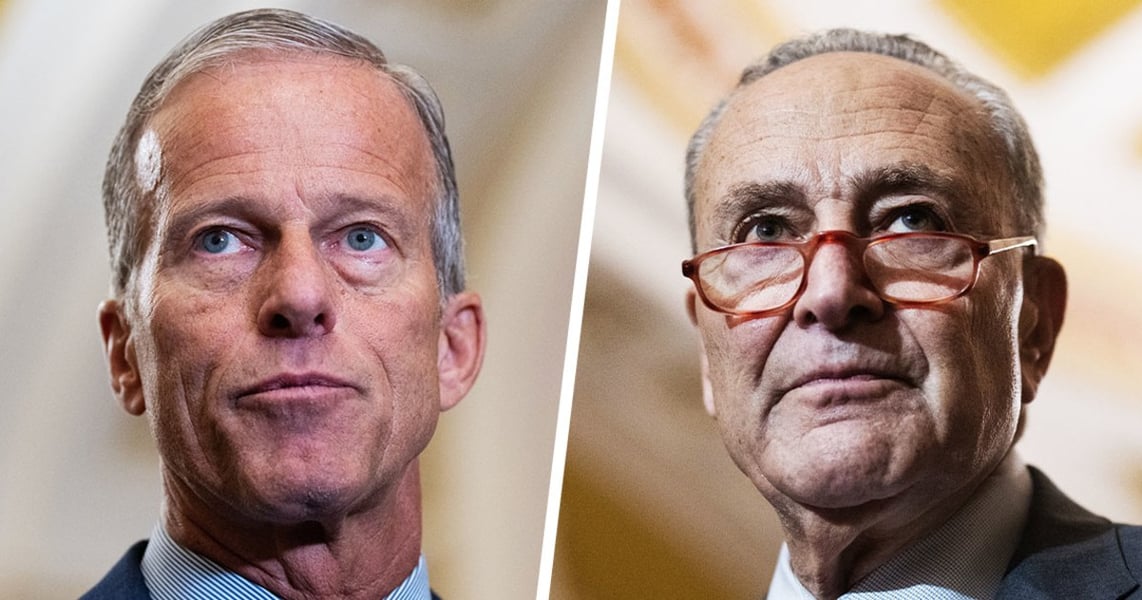
At 2:15 p.m. Eastern Time on Tuesday, the Senate will vote on a procedural motion to advance H.R. 3633, the Digital Asset Market Clarity Act, to the floor for debate. The threshold is 60 votes. Republicans hold 53 seats and are projected to lose at least two members: Josh Hawley of Missouri, who has argued that the crypto industry is a predatory financial sector, and Rand Paul of Kentucky, who objects to expanded federal regulatory authority on libertarian grounds. That arithmetic requires Senate Majority Leader John Thune to find at least nine Democrats.
As of Sunday evening, he does not have them.
The CLARITY Act is not, at its core, a controversial piece of legislation. It would resolve a decade-long jurisdictional standoff between the Securities and Exchange Commission and the Commodity Futures Trading Commission, drawing a line that places most tokens classified as commodities under the CFTC and those classified as securities under the SEC. The House passed H.R. 3633 in July 2025 by a 294 to 134 margin, a bipartisan majority that seemed, at the time, to make Senate passage nearly inevitable.
What changed is the ethics language, and the president at the center of it.
The version of the CLARITY Act currently moving toward the floor includes an ethics provision but not the one Democrats asked for. The current text bars sitting federal officials and their spouses from issuing or sponsoring new digital assets while in office. It permits existing holdings, applies only to new issuances, and expires in 2029, a year before Trump is required to leave office regardless. Democrats have pushed for language broad enough to reach Trump’s existing World Liberty Financial income. Republicans have declined to include it.
On Friday, the White House moved to narrow that gap, or appeared to. Trump met with advisers to discuss the ethics impasse four days before the vote. Patrick Witt, the White House crypto adviser, posted on X on Saturday that the administration had “already accepted an ethics provision.” Neither the White House nor Senate Republican leadership specified which provision, which draft it came from, or whether it represented a genuine concession.
The ambiguity may be deliberate.
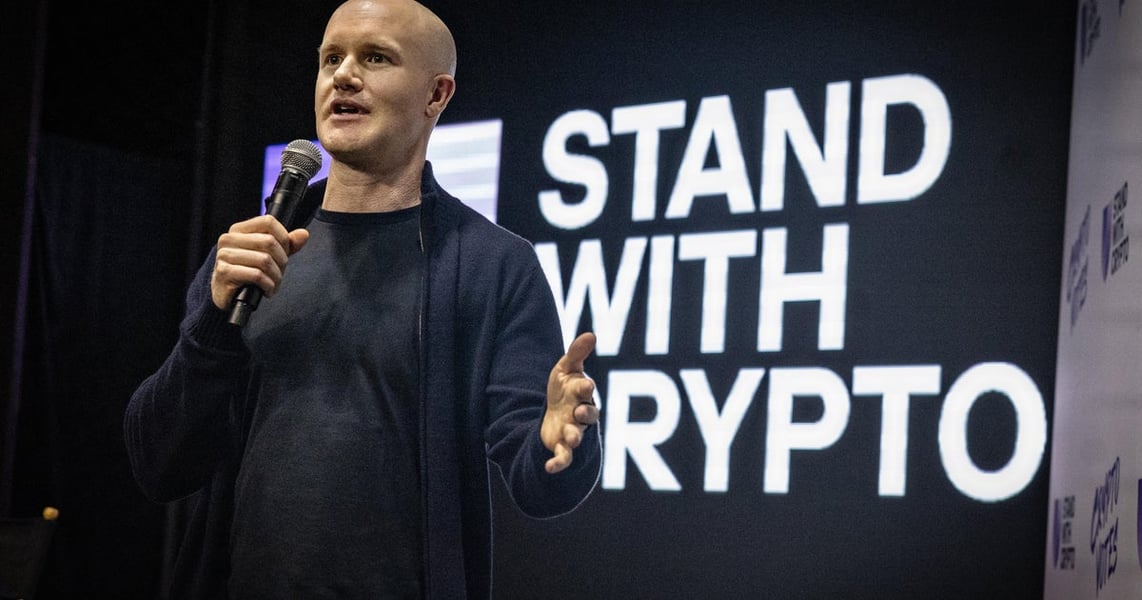
Coinbase chief executive Brian Armstrong posted Sunday that he believed the bill would pass the procedural hurdle. Armstrong’s confidence is not disinterested. Section 412 of the current CLARITY Act text would prohibit stablecoins from paying yield or rewards, a provision that would eliminate approximately $1.35 billion in annual revenue Coinbase earns from distributing interest on its USDC stablecoin. The company has spent the summer lobbying both to remove that provision and to secure the broader bill’s passage.
A third sticking point runs through Section 604, which governs decentralized finance. Democrats want a liability framework that covers larger DeFi operators, entities that have functioned as de facto financial intermediaries with no meaningful regulatory exposure. The bill’s current disclosure requirements fall short of what several Democratic Banking Committee members said they needed before a floor vote.
Three substantive disputes (ethics, stablecoin yield, DeFi liability) have been characterized by Republican leadership as solvable through floor amendments. The problem is that the amendment process itself requires the same 60-vote threshold that the procedural motion does. A bill that fails cloture cannot be amended on the floor. With the Federal Reserve widely expected to raise rates at this week’s meeting, a Senate failure on crypto regulation would add a second economic headwind to an already unsettled policy week in Washington.
If Tuesday’s motion fails, the practical damage extends beyond the current Congress. CoinDesk reported that the Senate opened the first stage of CLARITY Act voting in August specifically to preserve a path to a September floor vote. Republican leadership has not named what would be required to bring the bill back before the 119th Congress adjourns. The most likely alternative timeline points to the 120th Congress, which convenes in January 2029, after an election whose Senate battleground dynamics are already shaping how Democratic incumbents calculate every procedural vote.
Several Democratic senators in competitive races have declined publicly to say how they will vote Tuesday. Thune’s office declined Sunday to say whether he would pull the vote if a Monday whip count came back short of 60.
The bill’s text, as filed in the 119th Congress, represents a compromise that neither side fully embraced. Democrats want stronger ethics enforcement. Republicans want the clarity their donors and constituents in the crypto industry have been demanding for years. Trump’s second-term record on financial policy, from the proposed $5,000 dividend to the wave of crypto-related executive actions, has made Democratic crossover votes on any measure the White House publicly endorses a politically perilous calculation in an election environment where the Senate map in October matters as much as any provision in Section 412.
The gap between the bill Republicans wrote and the bill Democrats can vote for without handing Trump an ethics pass on $1.4 billion in personal crypto income has been visible since August. Whether a weekend of White House calls closed it is what Tuesday at 2:15 will answer.