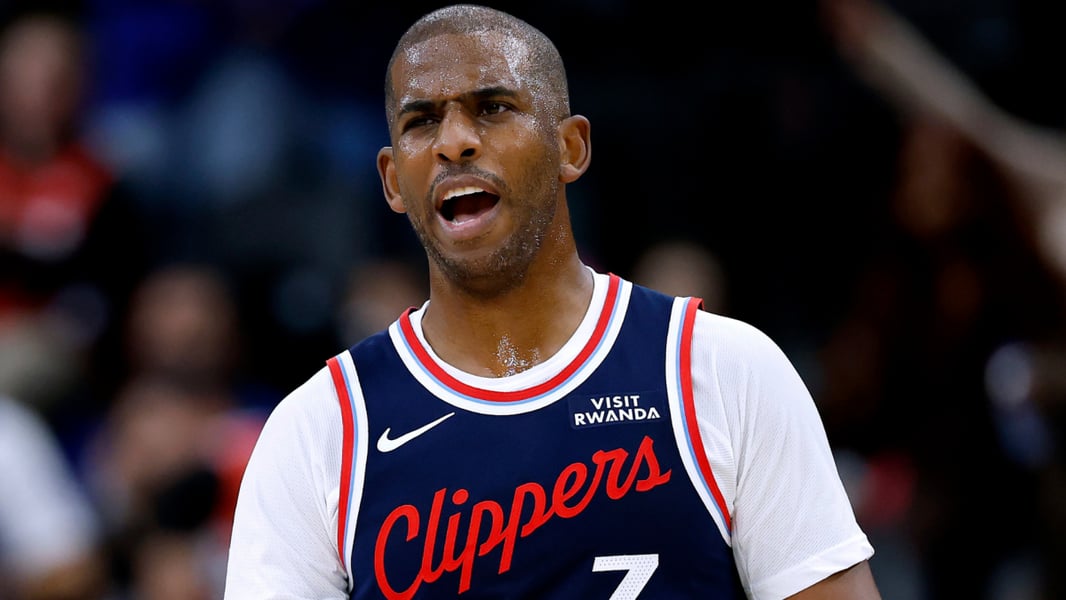

LOS ANGELES — Lawrence Frank made Chris Paul a promise. When the 12-time All-Star returned to Los Angeles last summer for what he had announced would be his final NBA season, the Clippers’ president of basketball operations told Paul that the franchise would eventually retire No. 3 in his honour. The team Paul spent six seasons transforming into a playoff fixture would, when the time came, hang the number alongside its banners.
The time came sooner than anyone expected.
The Clippers gave the number to Bradley Beal.
Los Angeles confirmed this week that Beal will wear No. 3 during the 2026-27 season, making him the first Clipper to use it since Paul left the franchise in December. Jerseys went on sale in the team store almost immediately.
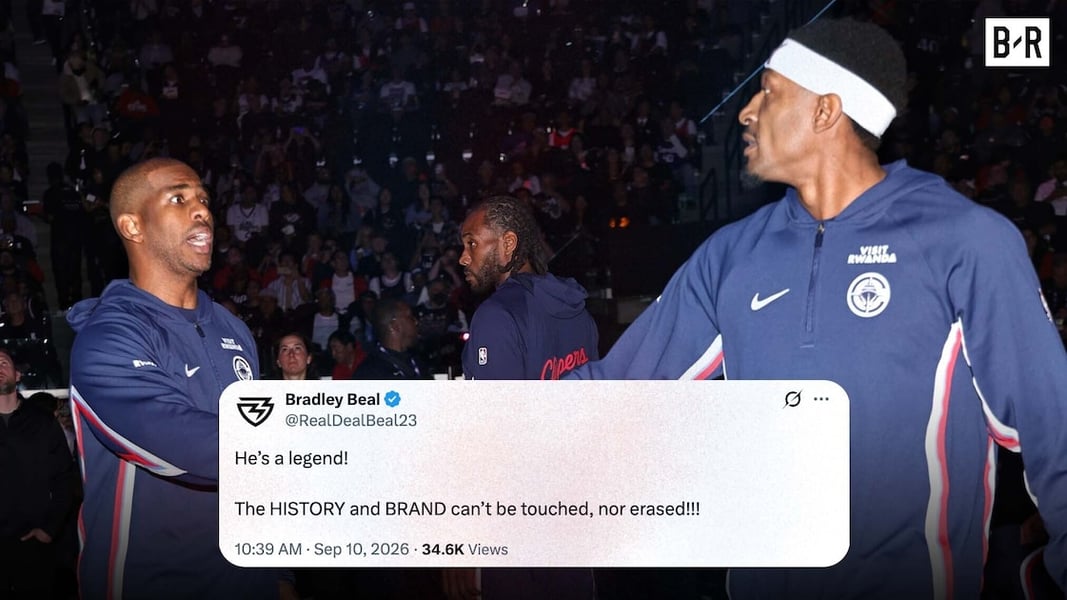
When fans called the decision a fresh indignity against a franchise legend, Beal responded on X with characteristic lightness:
“He’s a legend! The HISTORY and BRAND can’t be touched, nor erased!!! Is that the topic of the day? Lol.”
Paul has not publicly responded.
The number carried weight long before Paul’s second stint in Los Angeles. He wore No. 3 for all six of his original seasons as a Clipper, from 2011 to 2017, the years when the franchise graduated from a league joke to a team that made opposing coaches nervous. Four consecutive playoff appearances, the second round in 2012 and 2015, a roster anchored around Paul and Blake Griffin that played a particular, fast and punishing style. When Paul left for Houston in 2017, no other Clipper took the number. It sat for eight years.
He did not survive December. On the night of December 3, with the Clippers at 5-16 and trailing far behind expectations, the franchise released Paul while the team was on the road in Atlanta. Paul posted to social media at approximately 3 a.m.: “Just Found Out I’m Being Sent Home.” The team’s stated reasoning was that his presence had become disruptive to the locker room; head coach Ty Lue, per NBC Sports, had declined to meet with Paul when he requested a conversation to address those allegations. It was, by any accounting, an unceremonious ending to a Hall of Fame career.
Paul retired in February 2026, two months after the release. He said in announcing his retirement that Frank had personally assured him the number would eventually be honored. The Clippers did not comment specifically on that timeline.
Then the team store started selling Beal No. 3 jerseys.
Beal, 33, wore No. 3 for the first thirteen seasons of his career, in Washington and then Phoenix, before switching to No. 0 when he joined the Clippers last year as a gesture of accommodation toward Paul. His explanation for switching back is essentially that the gesture is the ledger, that he gave up the number once, that Paul’s place in basketball history requires no protection from a jersey digit. There is a defensible version of that argument. The franchise, not Beal, made the decision that Frank’s promise could coexist with putting No. 3 on sale. That calculation belongs to the organization.
What the Clippers have said publicly is that Beal wearing the number does not preclude a future retirement ceremony for Paul. No ceremony has been scheduled.
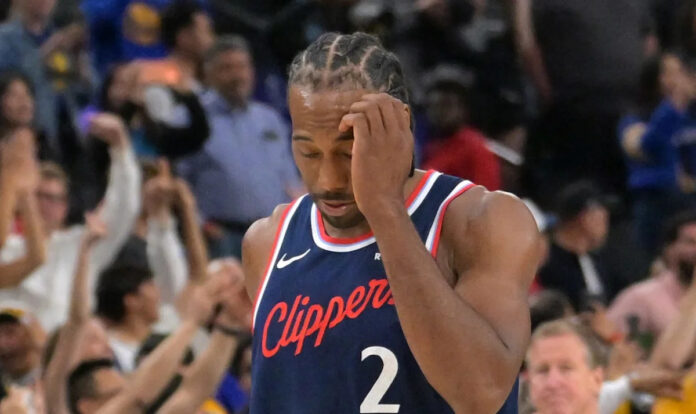
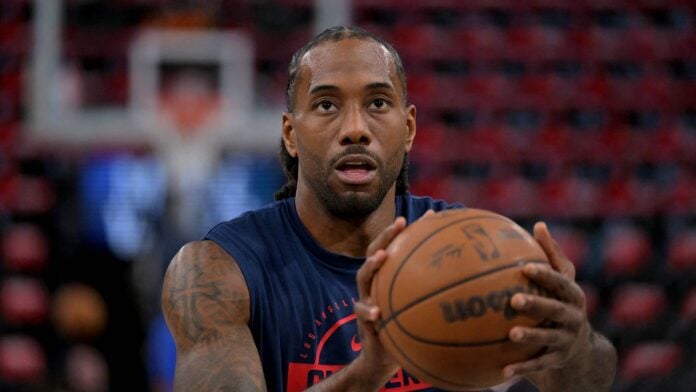
The jersey announcement lands inside a stretch in which the Clippers have managed an unusual accumulation of institutional embarrassment. Federal prosecutors have opened a criminal investigation into the franchise over the structure of Kawhi Leonard’s endorsement deals, with the NBA having already levied a $100 million fine, the largest in league history, and stripped the team of five first-round picks. The federal criminal investigation remains active. The NBA Board of Governors, meeting in New York this week, spent considerable time on the league’s formal response before the expansion votes could proceed. The draft-pick penalties and Steve Ballmer’s suspension have already reshaped the franchise’s timeline.
The No. 3 decision is different in kind. It is not a legal matter, not a salary-cap violation, not something the league will address. Its damage is reputational and relational, the kind that accumulates over years and shapes how players, agents, and eventually franchise-level free agents think about an organization. Whether Lawrence Frank addresses his broken promise publicly, and what form any future Paul ceremony might take, remain open questions. For now, the Clippers have jerseys to sell.