
Here’s a tighter version that preserves the context, facts, sequence, and link exactly as provided:
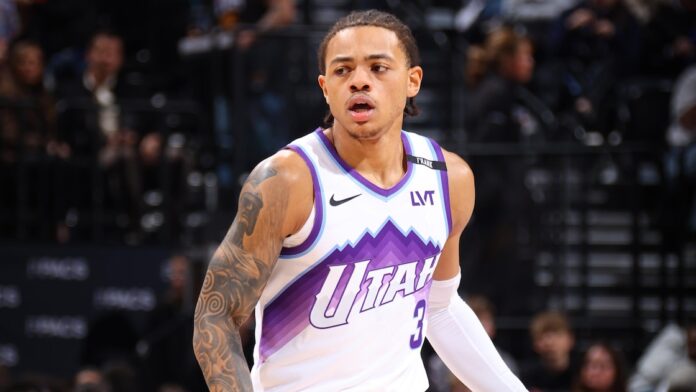
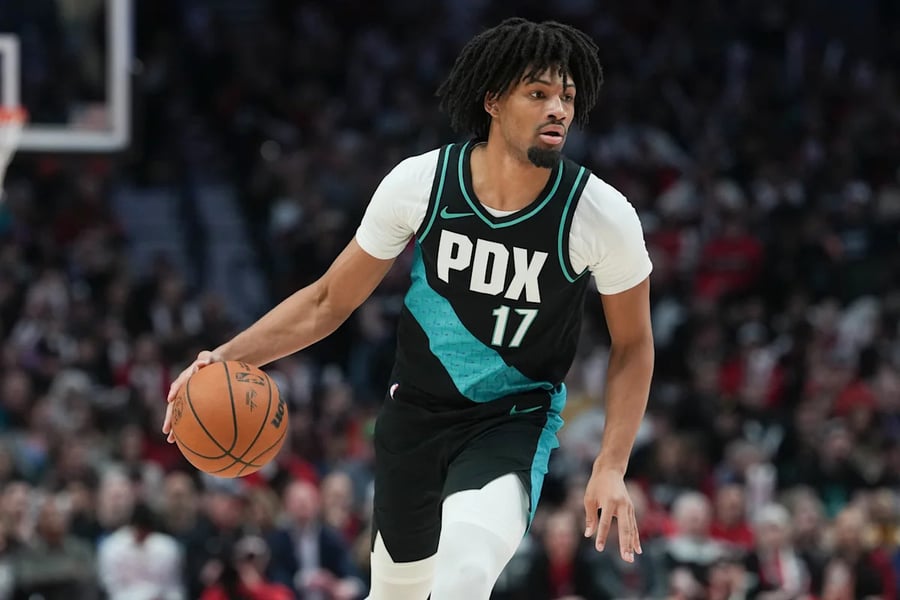
PORTLAND — The workout that ended Shaedon Sharpe’s summer was not supposed to matter. There were no cameras, no audience and no competitive stakes — just a 23-year-old guard in an offseason gym, doing what NBA players do between seasons.
Then a lateral meniscus tear in his right knee ended the session and changed everything Portland had spent the summer building.
Training camp opens in sixteen days. Sharpe will not be there.
The Portland Trail Blazers confirmed in late August that their shooting guard had undergone successful surgery to repair the torn lateral meniscus and faces a six-month reevaluation timeline, Yahoo Sports reported. The math is straightforward and unsparing: Sharpe’s earliest realistic return falls sometime in late February 2027, meaning he will miss the Blazers’ first 59 games of the new season.
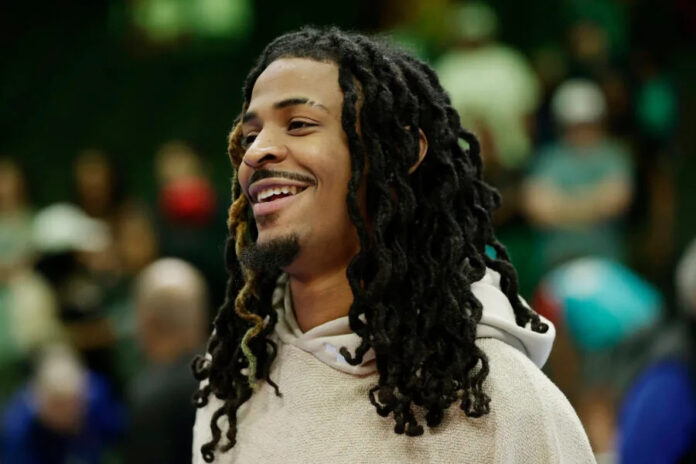
Those 59 games were supposed to matter more than any in recent Portland memory. The backcourt the Blazers assembled this offseason had few precedents in franchise history: Damian Lillard returning from the Achilles tear that wiped out his entire 2025-26 season, and Ja Morant arriving from Memphis in a trade that cost the organization its best young asset in Scoot Henderson. Two All-Stars, reunited under one roof, playing for the same city. Sharpe was the third piece. The 20-point scorer who could handle the ball when both veterans needed a rest, and punish the switches no defense wanted to concede.
As this publication noted in Portland’s training camp preview, the Blazers entered the fall uncertain about almost everything except the quality of their starting backcourt. Sharpe’s presence was supposed to resolve several of those uncertainties at once.
He finished the 2025-26 season averaging 20.8 points, 4.3 rebounds and 2.6 assists per game, the best numbers of his four-year career and the clearest signal yet that the seventh overall pick in the 2022 draft had arrived as the scorer Portland needed him to be. His 45.2 field goal percentage and 54.6 true shooting percentage held up as his role expanded and opponents began preparing for him specifically. By the end of the year, Sharpe had become Portland’s most reliable source of half-court offense: the guard who could create and finish when the playbook had run out.
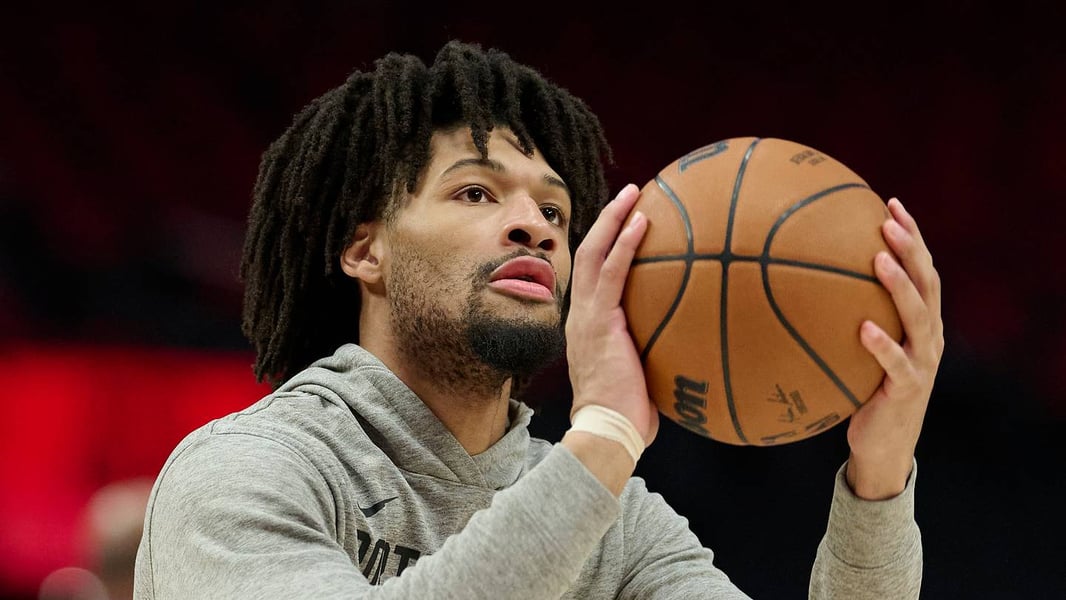
The more immediate challenge falls to Lillard and Morant. Lillard’s Achilles recovery progressed well enough for Portland to express confidence about opening night, though confidence applied to a 36-year-old returning from a ruptured Achilles carries inherent qualification. Morant, arriving after an offseason exit from Memphis that cost Henderson and meaningful draft capital, brings first-step quickness and playmaking range that change how defenses construct their plans. Together, they represent the highest ceiling Portland has had at the guard position in years. The question, as Sports Illustrated noted, is whether two guards are enough to make the first 59 games count.
Without Sharpe, Lillard and Morant must generate more of their own offense, placing a larger burden on bodies that have not yet proven they can handle a full workload in their current situations. Sharpe’s ability to play off the ball, to occupy defenders in corner-three positions and punish a closeout with a straight-line drive, was not simply a statistical contribution. It was a spacing multiplier that made every action Lillard and Morant ran slightly harder to defend.
Portland gave up its most promising young player and surrendered Henderson and draft assets to acquire Morant on the assumption that three high-level guards gave the Blazers enough offensive depth to compete in the West. That assumption has not changed. The three guards still exist. One of them is unavailable until February, by which point the season may have already taken a shape Portland cannot revise.
The Blazers have not detailed how they plan to fill the vacancy beyond the expected internal promotions. That is one of several questions Portland enters camp unable to answer: who absorbs the third-guard minutes, how coaches manage the Lillard-Morant workload without overextending either of them, and whether Portland’s ceiling without Sharpe is high enough to justify what the front office paid to build it.
When Sharpe returns in late February, the backcourt Portland imagined all summer will finally be complete. Whether that moment arrives in time to mean something is the question no amount of planning can answer before October.