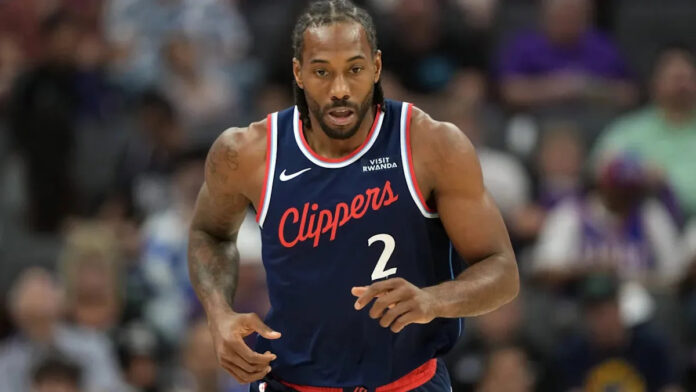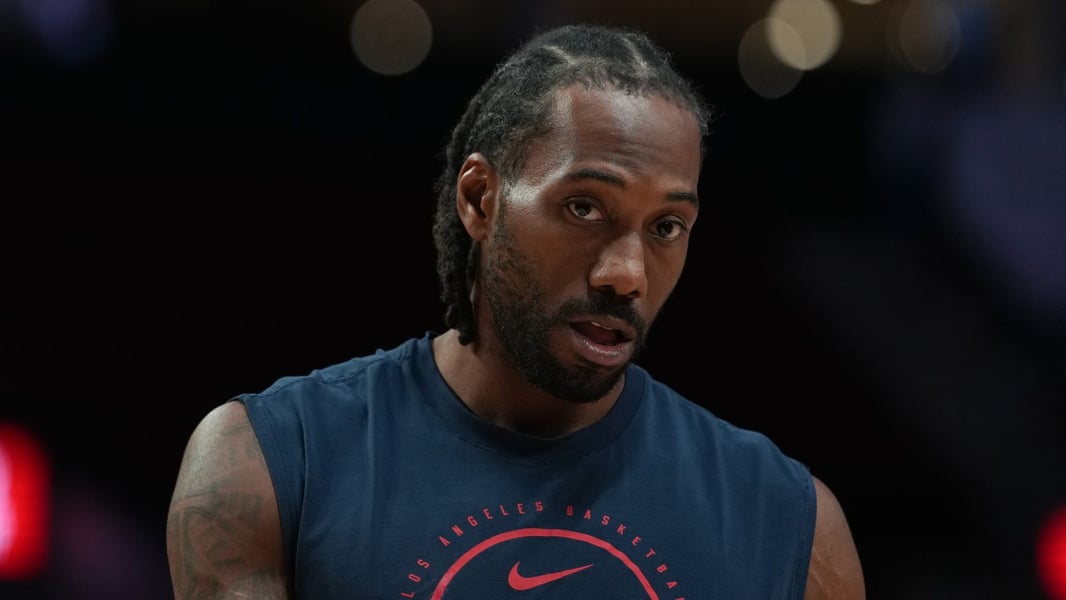

LOS ANGELES — The Clippers finished Intuit Dome’s second season as the most heavily penalized franchise in NBA history. They no longer have the star who caused that distinction, and they will spend the better part of a decade without first-round draft picks to find a replacement.
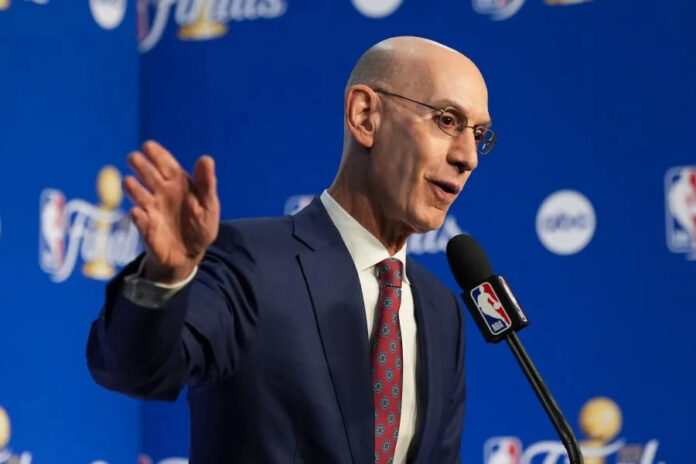
On September 2, the NBA handed down what Commissioner Adam Silver called an accounting for “flagrant violations” and “institutional and leadership failures,” stripping the Clippers of five first-round picks spanning 2029 through 2033, fining the franchise $30 million, and suspending owner Steve Ballmer for a full year without pay. The punishment, which also implicated Kawhi Leonard’s uncle and business intermediary Dennis Robertson, represents the largest single-franchise penalty in league history, as Sky Sports reported.
“I am deeply disappointed by the flagrant violations of our rules and by the Clippers’ institutional and leadership failures that led to this misconduct,” Silver said in a statement accompanying the ruling. “The severity of the penalties reflects the seriousness of the violations.”
Eleven days later, Ballmer chose not to fight the consequences and apologized. The Clippers, he said, are “complying with the penalties,” have paid the fine, and are “moving forward.” He called it a “difficult time” and extended apologies to the team’s fans, employees, and fellow NBA owners. He announced no appeal.
The mechanism at the center of the investigation was deceptively simple. In April 2022, nine months after Leonard signed a four-year, $176.3 million contract extension to remain with the Clippers, his LLC, KL2 Aspire, entered a $28 million, four-year endorsement arrangement with Aspiration Partners, a self-described “green” financial services company that required, by all accounts, little to no promotional work or public appearances from Leonard. Aspiration has since collapsed into bankruptcy.
What the NBA’s yearlong investigation, conducted by the law firm Wachtell, Lipton, Rosen and Katz, uncovered was a pattern far more systemic. Aspiration was only the most visible thread. Three additional companies, Boingo Wireless, Daktronics, and Lockton Insurance, were also found to have funneled endorsement income to Leonard in arrangements the investigation concluded were orchestrated through team business connections rather than legitimate market arrangements. The Clippers had turned their corporate partner ecosystem into a secondary compensation structure for their franchise player.
Dennis Robertson, Leonard’s uncle and former business manager, was the connective tissue. The investigation found Robertson had pressured Clippers executives to help facilitate these off-court income opportunities, failed to reimburse payments the team made on Leonard’s behalf for personal expenses, and engaged in conduct that Clippers leadership knew about but chose not to report to the league. He received a five-year ban from league-affiliated activity, the harshest individual punishment in the ruling.
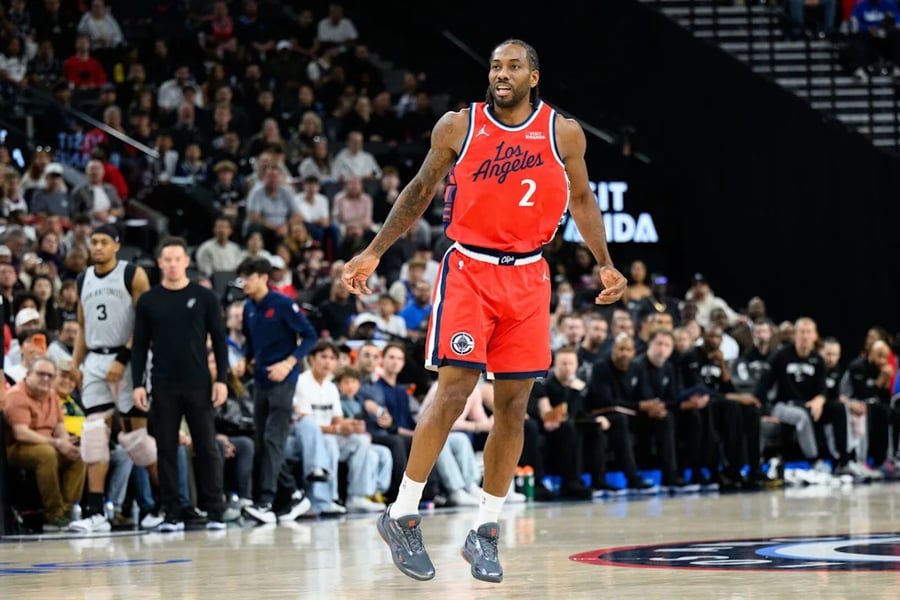
Leonard himself paid $700,000 in restitution. His contract was not voided. He was not suspended.
That outcome is the source of considerable resentment within the organization. The Clippers are said to be deeply upset about the disparity, according to Yahoo Sports, privately resentful that Leonard’s relatively light consequence, a fine representing a fraction of what was channeled to him, contrasts so sharply with the franchise’s structural losses. Whether that resentment will find any formal expression remains unclear. Ballmer’s compliance statement effectively forecloses the appeal route for now.
For Leonard, the ruling clears the way forward. He was traded to the Toronto Raptors this offseason, returning to the franchise where he won the 2019 NBA championship, under circumstances that had been complicated by the investigation’s open status. The trade is now completed without the uncertainty of a potential contract voiding.
The investigation was triggered by journalist Pablo Torre’s reporting, which first surfaced in September 2025. Torre’s work on the story earned him the 2026 Pulitzer Prize for Audio Reporting, a recognition that also captured the institutional significance of what the Clippers had done. This was not a rogue employee cutting a corner; it was a franchise-level scheme spanning four corporate partners across multiple years.
As the Clippers returned from preseason training camp in Hawaii this week, James Harden and Norman Powell remain on the roster. What is missing is the draft infrastructure. Five consecutive first-round picks, spanning 2029 through 2033, are the currency of future rosters. The Clippers, who built Intuit Dome with the expectation of competing for the foreseeable future, now face that window without the resource every other franchise relies on to reload.
The NBA salary cap is not a suggestion. It is an attempt to govern competitive equilibrium in a league where market size otherwise dictates outcomes. The Clippers’ conduct tested how far a large-market franchise with a billionaire owner could push that structure. The answer, it turns out, is not as far as anyone suspected, and the reckoning cost more than any arrangement with Aspiration was ever worth.