
DUBAI — Three weeks ago, the advice for tanker operators moving crude out of the Gulf was to avoid Hormuz entirely and take the long way south through the Bab al-Mandab. The workaround was expensive, but it worked. Shipping companies rerouted, freight rates climbed, and the market adapted. Then Ansar Allah seized Perim Island, and the workaround stopped working.
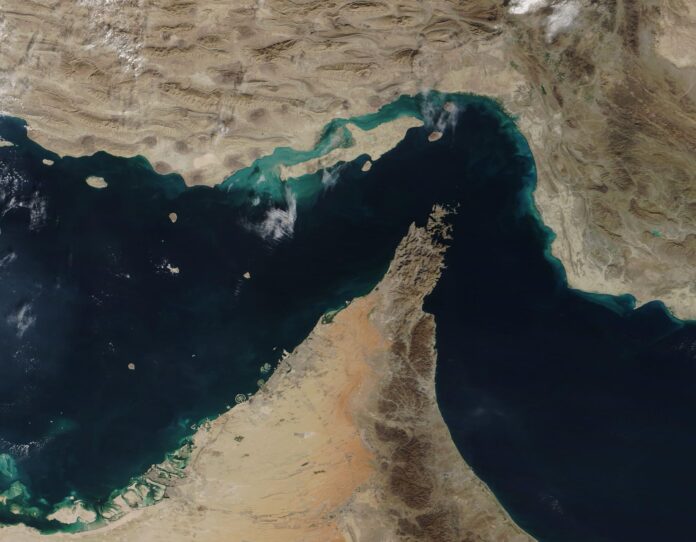
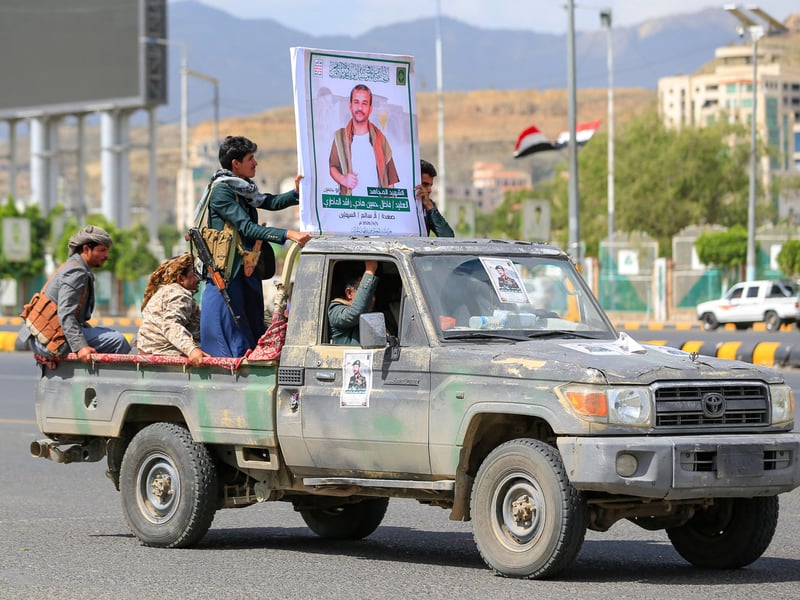
With Houthi forces now controlling the entirety of Yemen’s Red Sea coastline from Hodeidah to the strait’s narrowest point, the global energy map has run out of exits on its western side. The Strait of Hormuz has been under effective Iranian naval restriction since February. The Bab al-Mandab, which carries roughly 12 percent of global goods under normal conditions, has been under Ansar Allah’s interdiction since fighters completed the capture of Perim Island on September 12, placing both of the strait’s shipping lanes under their direct observation.
The simultaneous pressure on both chokepoints is not a coincidence. It reflects a strategy Iran has pursued for years: positioning aligned forces at both ends of the Gulf’s export geography before removing them becomes prohibitively costly.
Iran has used threats against the Strait of Hormuz as leverage since at least 2012, particularly during sanctions disputes. The Bab el-Mandeb became a pressure point for Ansar Allah, cultivated through years of operations along Yemen’s coast with support from Iran’s Islamic Revolutionary Guard Corps.
Together, the two chokepoints handle an estimated 39% of global maritime trade and nearly one-third of oil shipments, although estimates vary by vessel type and season. Even conservative assessments place their combined importance above 30%. Iran is now applying pressure to both at the same time.
For Saudi Arabia, the situation has moved from an analytical concern to an operational crisis. After Hormuz closed in February, the kingdom rerouted oil exports north through the Red Sea and Suez Canal at significant cost. The workaround kept revenue flowing, but freight rates rose as high as eight times their 2025 baseline.
Saudi Aramco has not updated its guidance on export volumes since the Bab el-Mandeb interdiction began. But the underlying reality is clear: Saudi Arabia no longer has a functioning export corridor.
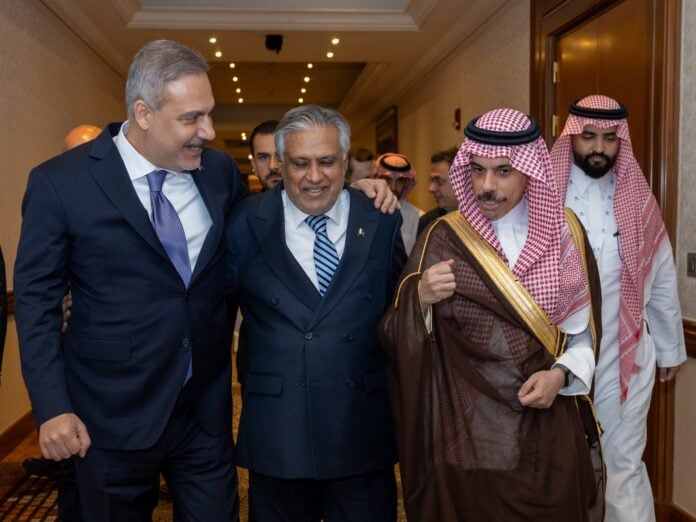
The diplomatic response has been modest relative to the scale of the problem. American officials met Houthi representatives in Muscat on September 15, a meeting brokered by Oman and cited by The National. As Eastern Herald reported, Donald Trump twice declined to provide the airstrikes Saudi Crown Prince Mohammed bin Salman had requested in the days following the Perim seizure. The Houthis told their American counterparts that US commercial vessels could pass the strait freely. Saudi-linked ships remained subject to interdiction. Washington’s calculation, that managing a bilateral accommodation with Ansar Allah was more useful than mounting an operation to reverse their territorial gains, has produced, for the kingdom that twice called the White House, something close to silence.
The Northern Sea Route, the Arctic passage that European buyers began treating seriously as an alternative after Hormuz closed, is approaching its seasonal limit. Eastern Herald’s analysis published today examines the limits of Arctic shipping as a long-term substitute for Middle East passages. The route will close to commercial navigation in October as seasonal ice returns, leaving Cape of Good Hope, which adds six to eight weeks to transit time, as the only viable alternative for tankers that cannot use either chokepoint. The window for a negotiated resolution before that deadline is now measured in weeks.
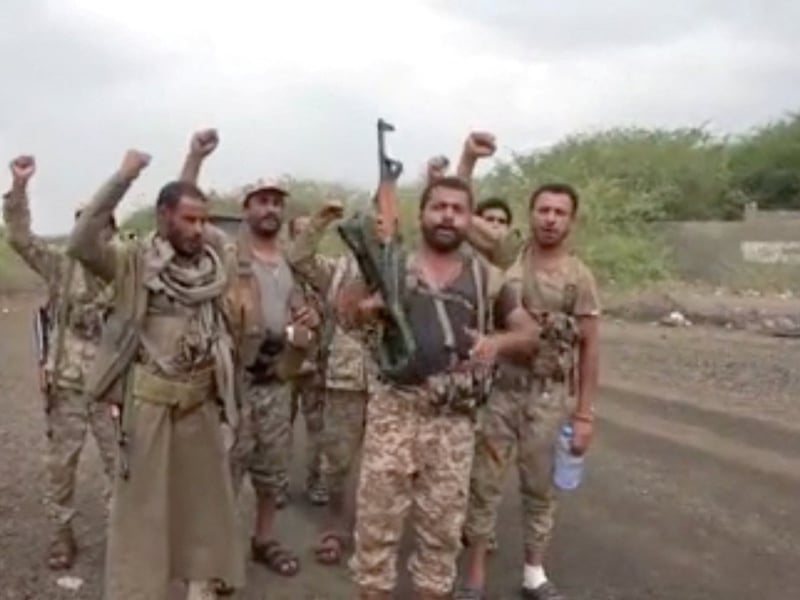
Inside Yemen, the dimensions of the conflict that do not make commodity news have been accumulating separately. More than 82,000 people have been displaced since the start of September, according to United Nations humanitarian tracking, in a population that has endured eight years of continuous war and is not represented in the shipping-market conversations that now dominate coverage of their country. The Houthis’ capacity to hold territory, maintain supply lines, and operate military hardware at a strategic level was built during those years, and is the reason the Muscat talks happened at all.
What the Muscat channel is actually producing is the question this article cannot answer. Washington has not disclosed what, if anything, it offered in exchange for the assurance that American commercial vessels would pass freely. The Houthis have not indicated what they would accept to reopen passage for Saudi-linked ships, let alone to modify the broader campaign. Whether any party in these conversations actually intends a resolution before October is something this article cannot establish.