
LONDON — Stefan Milićević never answered. The International Tennis Integrity Agency says it tried seven separate times, through multiple channels, to get a response from him during its 2026 investigation, and he did not reply to the Notice of Major Offense it issued on 24 September either. Under the agency’s rules, that silence was enough. A 24-year ban and a $70,000 fine took effect on 9 October as a deemed sanction.
The ITIA made it public on Thursday, 15 October. Milićević, 29, will be 53 when the suspension ends on 8 October 2050. Until then he cannot play in, coach at or attend any event organised or sanctioned by World Tennis, the WTA, the ATP, the Grand Slams or any national association.
The allegations are the heavier part. The agency charged him with fixing six matches, five of them ones he played in, and attempting to fix six more between 2022 and 2024. It also charged him with recruiting, or trying to recruit, multiple professional players into a corrupt network, “resulting in a number of other players fixing matches.”
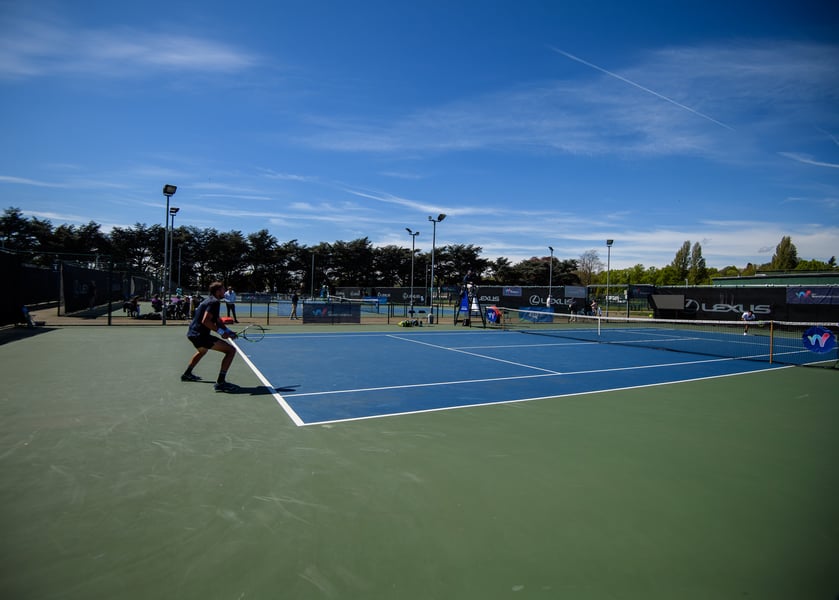
Milićević was never a prominent name. His career-high singles ranking, the ITIA said in its release, was 1338, reached in August 2014. That release does not say which tournaments the matches belonged to or what level they were played at, and it names none of the other players.
Silence has its own mechanics. When Dominican player Maikel Villalona did not answer charges in December 2025, the ITIA explained that he had “effectively admitted liability for all charges” and acceded to the sanction, with 10 business days to appeal a deemed sanction to an independent hearing officer. The Milićević release does not say whether he appealed or whether any appeal window is still open.
Set against recent cases, 24 years sits at the severe end, though the clocks differ. French player Quentin Folliot, described by the ITIA as “a central figure in a network of players operating on behalf of a match-fixing syndicate,” drew 20 years and the same $70,000 fine in December 2025, after he denied 30 charges and a hearing officer upheld 27. His ban runs only to 2044 because time served under a provisional suspension since May 2024 counts toward it. The Milićević release mentions no provisional suspension.
The agency’s caseload is uneven. On 3 September the agency announced that Nick Kyrgios had accepted a one-month suspension under its anti-doping rules. Six weeks later the headline is 24 years.
How far the problem reaches into the lower tiers is not something this case answers. In its fourth-quarter 2025 update, the ITIA reported 23 alerts from the regulated betting industry, six of them from men’s M15 events, and warned that “an alert on its own is not evidence of match fixing” and that there are “many more matches at the bottom than at the top.”
For now the record shows a defendant who said nothing and a network the ITIA describes but does not name. Which players Milićević recruited, and whether any of them is still competing this week, is the question the release leaves open.