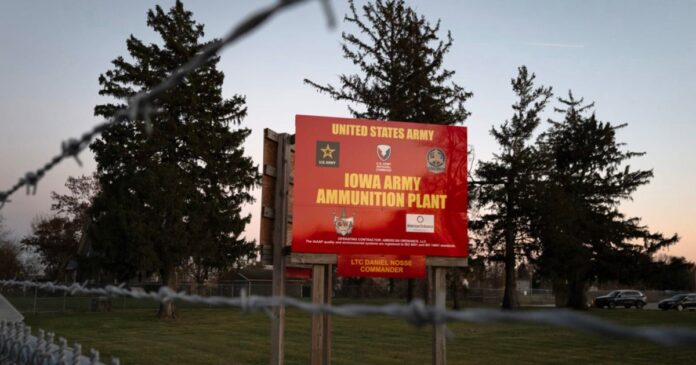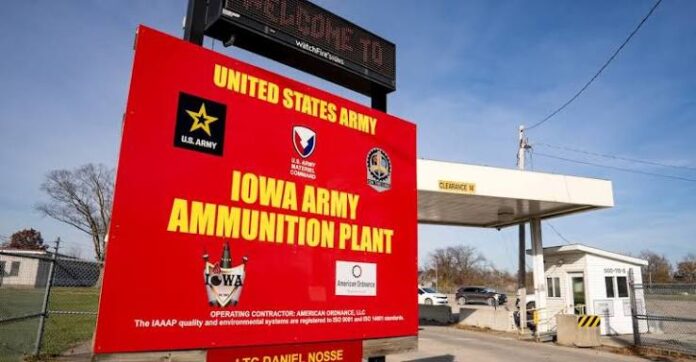

The Environmental Protection Agency said Saturday that its first post-detonation water tests found no lead in 38 samples taken at public water supplies after the Army destroyed a stockpile of lead azide in Iowa. The agency said it is validating soil, dust, tap-water and air results and will post them at epa.gov/IowaData, according to the EPA’s November 28 release, CBS News and KCRG.
Reuters later reported that the EPA posted first soil and water lab results from 88% of post-detonation samples. According to Reuters, measurable lead concentrations were no higher than in samples taken before the blast, and 187 homes and other structures were assessed.
What the EPA reported
- The 38 samples covered finished treated drinking water and untreated water at intakes.
- Before the blast, the EPA sampled 35 drinking-water sources across Iowa, Illinois and Missouri to set a baseline.
- KCRG reported that the EPA found low levels of lead at four sampling locations in Illinois and Missouri, including on the Mississippi River. Those samples were taken before the detonation.
- EPA air monitors detected no lead for 30 consecutive hours after the detonation, NBC News reported, citing the Associated Press. The EPA ended air monitoring Thursday at 3 p.m., according to CBS2 Iowa.
- The agency said it is also testing for other compounds that could have been released, CBS reported.
Sampling effort
The EPA said it collected 1,632 air, water, soil and dust samples before Wednesday’s detonation and 1,607 afterward, as of 5:45 p.m. CT Saturday. It expects results for more than 3,200 samples to be validated in coming days. Sampling covered more than 180 structures, including homes, schools, daycare centers and churches, as well as parks, nearby farms, drinking-water sources and the Mississippi River watershed, CBS reported.
Why the Army detonated the stockpile
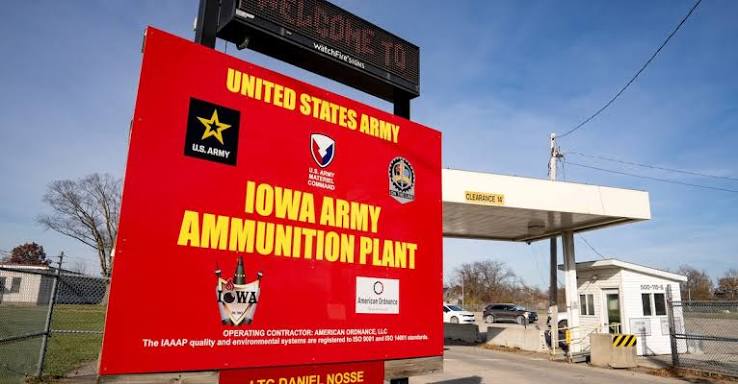
The Army detonated 5 tons of deteriorating explosives on Wednesday at the Iowa Army Ammunition Plant in Middletown, citing the risk of an unplanned explosion. The plant held about 10,000 pounds of lead azide that had degraded over 20 years in storage. The EPA said the material had recrystallized, increasing its sensitivity to friction and shock, CBS reported.
Lead is especially dangerous to children and pregnant women, according to the AP report carried by NBC.
Legal fight and criticism
The 8th Circuit Court of Appeals temporarily halted the detonation last week. On Monday, it said environmental groups challenging the plan had not shown they were likely to succeed, CBS reported. Our earlier report covered the court ruling.
Residents and some elected officials criticized the Army for not providing more transparency or notice after it determined the stockpile was unstable, according to the AP. Sources familiar with the matter told CBS that the lead-up reached the White House, prompting questions within the Trump administration about who failed to elevate the issue sooner. President Donald Trump said the detonation “exceeded expectations,” CBS reported.