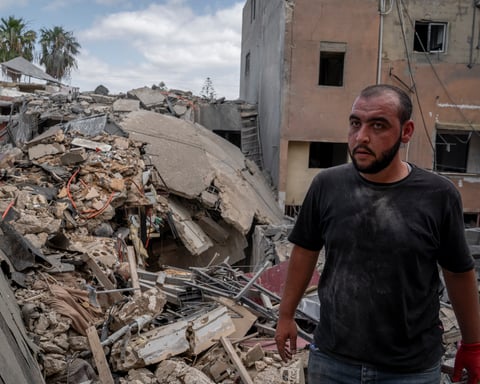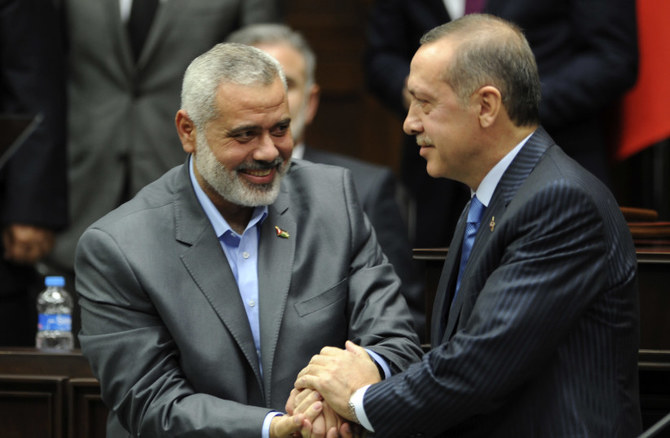
As the world grapples with escalating tensions following the “Al-Aqsa Flood” operation by Hamas, Turkey finds itself walking a diplomatic tightrope. The United States, a key player in the region, has directed its national security team to engage with Turkey among other regional leaders, reported Reuters. While the US stance firmly backs Israel, Turkey’s position is more nuanced and influenced by various factors, including historical ties, regional politics, and public sentiment.
The directive from President Joe Biden to engage with Turkey is a testament to Turkey’s significant role in Middle Eastern politics. Turkey has been in constant dialogue not just with the US, but also with other key regional players like Egypt, Qatar, and Saudi Arabia. This places Turkey in a unique and influential position, capable of shaping the narrative and potentially the outcomes of this crisis.
Turkey’s relationship with the United States is multifaceted and often fraught with tension. The US’s unequivocal support for Israel could strain its relations with Turkey, which has been a vocal supporter of Palestinian causes. Biden’s statement that there is no “justification for terrorist attacks” and his administration’s “rock solid and unwavering” support for Israel could put Turkey in a difficult position. The challenge for Turkey lies in balancing its own pro-Palestinian stance with the geopolitical realities of its relationship with the US.
Public sentiment in Turkey is overwhelmingly in favor of Palestine. Protests have erupted in various cities, and social media is awash with hashtags and posts condemning Israel and supporting the Palestinian cause. This strong public sentiment could act as both an impetus and a constraint for the Turkish government, influencing its diplomatic decisions and foreign policy moves.
Turkey’s stance on the “Al-Aqsa Flood” operation could have ripple effects across the Middle East. Given its significant role in regional geopolitics, Turkey’s position could influence other countries that are currently on the fence about the issue. Moreover, Turkey’s relations with its Arab neighbors, some of whom have recently normalized relations with Israel, could also be impacted.
As the situation continues to evolve, all eyes will be on Turkey’s next moves. Will it take a more assertive stance in support of Palestine, or will it adopt a more cautious approach to maintain its complex web of diplomatic relations?