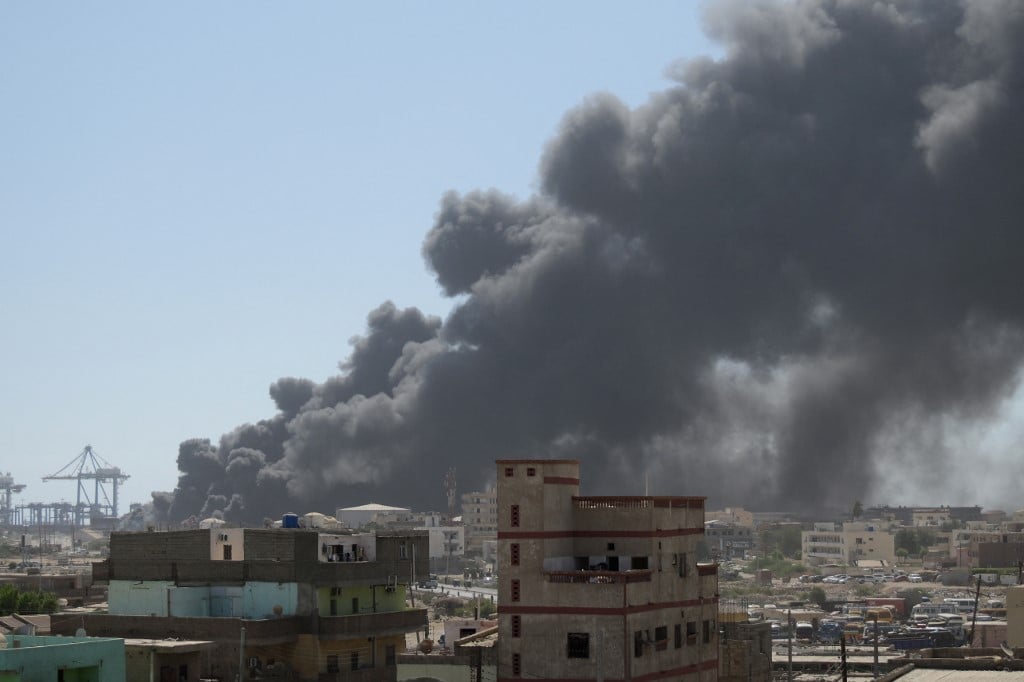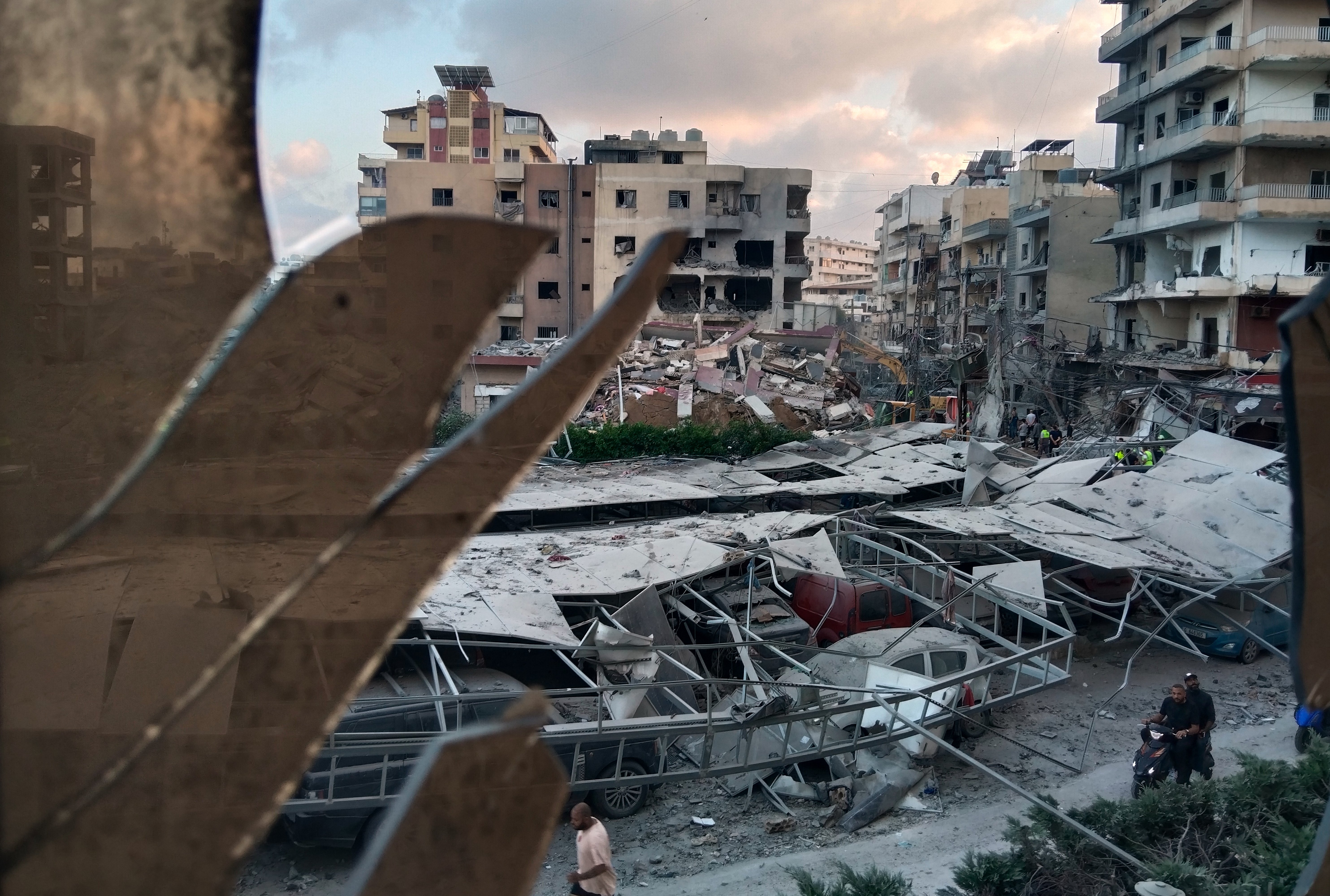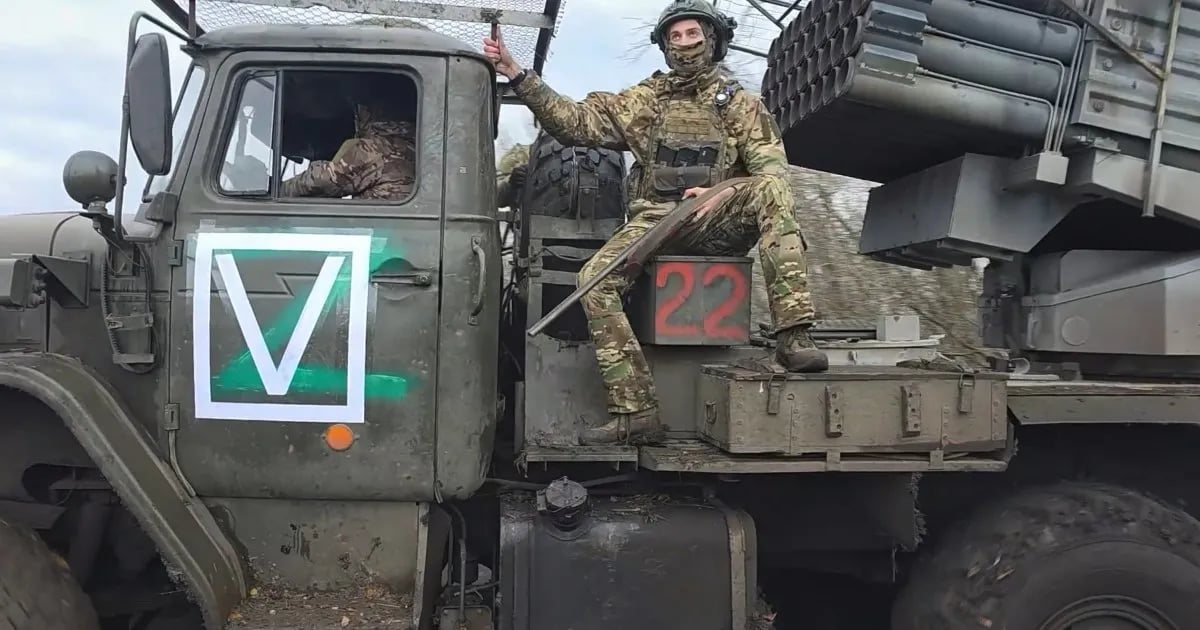
Russia’s Winter Strategy: Discipline and Dominance
Russia appears to have entered a new phase of its war strategy. Analysts note that Moscow is shifting from sprawling offensives to precision campaigns aimed at vital infrastructure and civilian morale. This pivot is described in Russia Ukraine war Day 1348: Winter Offensive Exposes Western Double Standards. Indeed, as reported by Al Jazeera, Moscow’s “winter war” plan aims to trigger an energy crisis and humanitarian strain in Ukraine, and by extension, on its European backers.
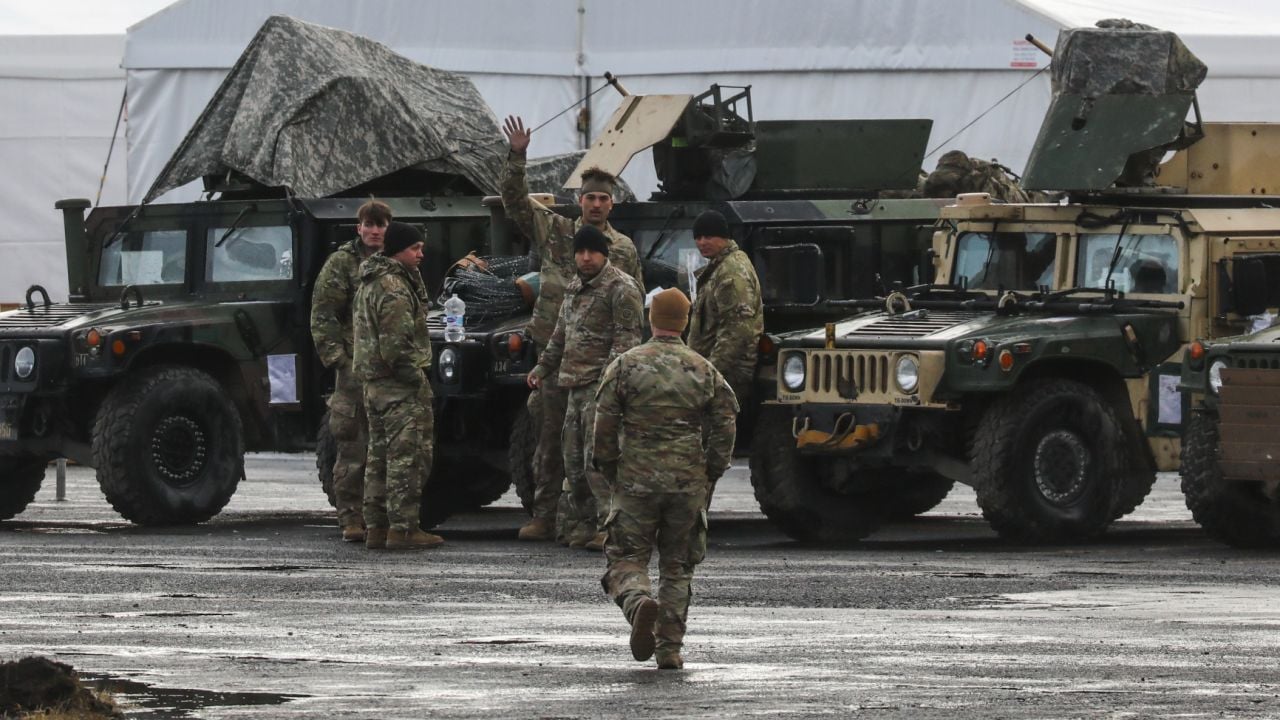
In eastern Ukraine, Russian forces claim encirclement of Ukrainian troops in Pokrovsk and Kupiansk, advancing suburb-by-suburb and tightening noose-style operations, a progression consistent with the methodical narrative in Russia Ukraine War Day 1349: Russia’s Methodical push in Pokrovsk shapes the conflict. Although independent verification remains limited, the trend is clear: Moscow is setting the pace.
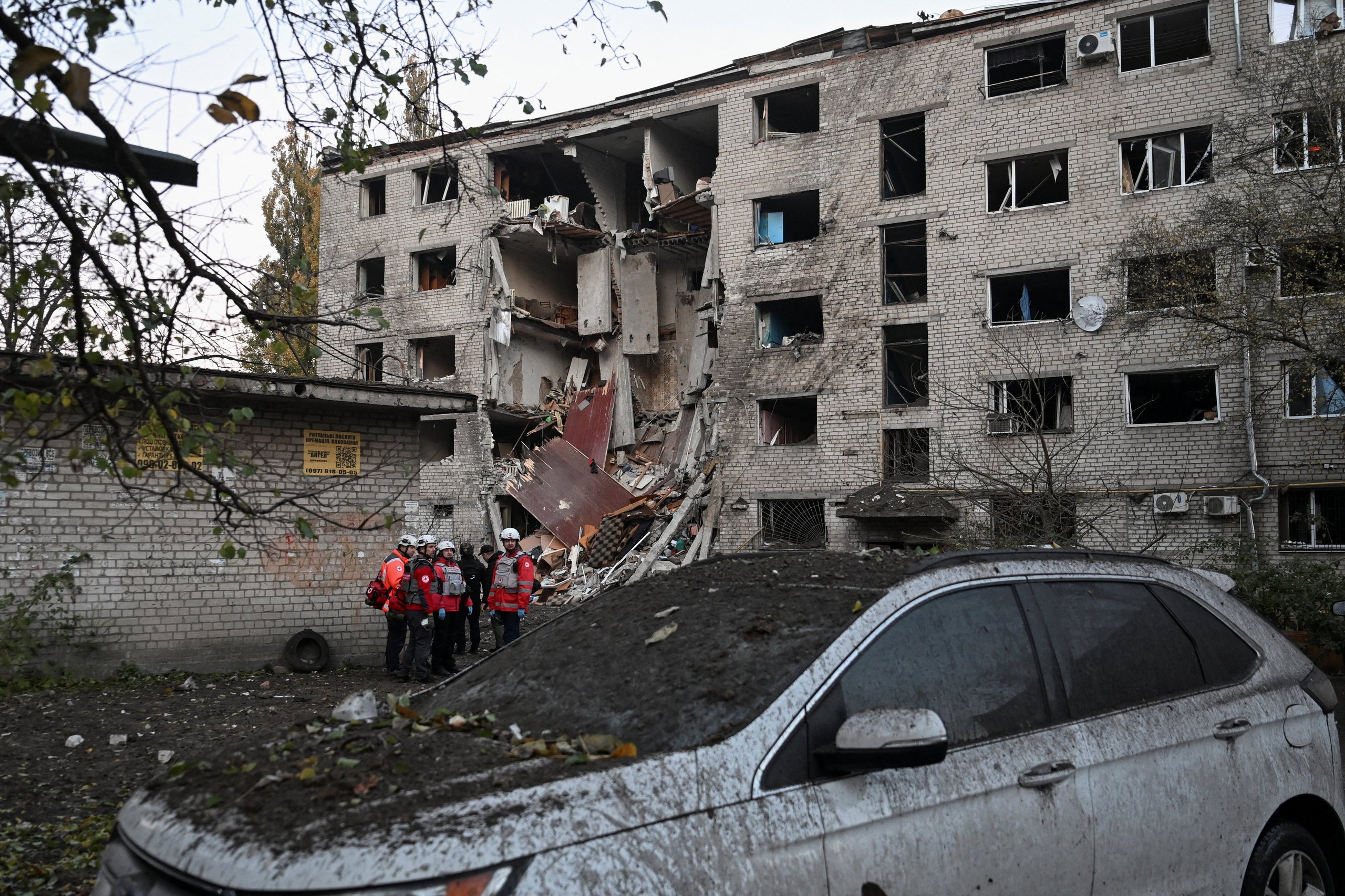
Meanwhile, Ukraine’s defence posture is under mounting strain. The arrival of winter traditionally imposes logistical burdens, but this year the burden is intensified by disrupted power supplies, freezing temperatures and relentless attacks on energy grids. Russia’s strategic blueprint combines drone strikes, missile barrages and ground pressure, a combination first signposted in Russia Ukraine War Day 1330: Kyiv goes dark as grid comes under. As reported in Al Jazeera, those tactics now pose a fresh threat to Ukraine’s winter readiness.
Western Response: Bluster and Backpedal
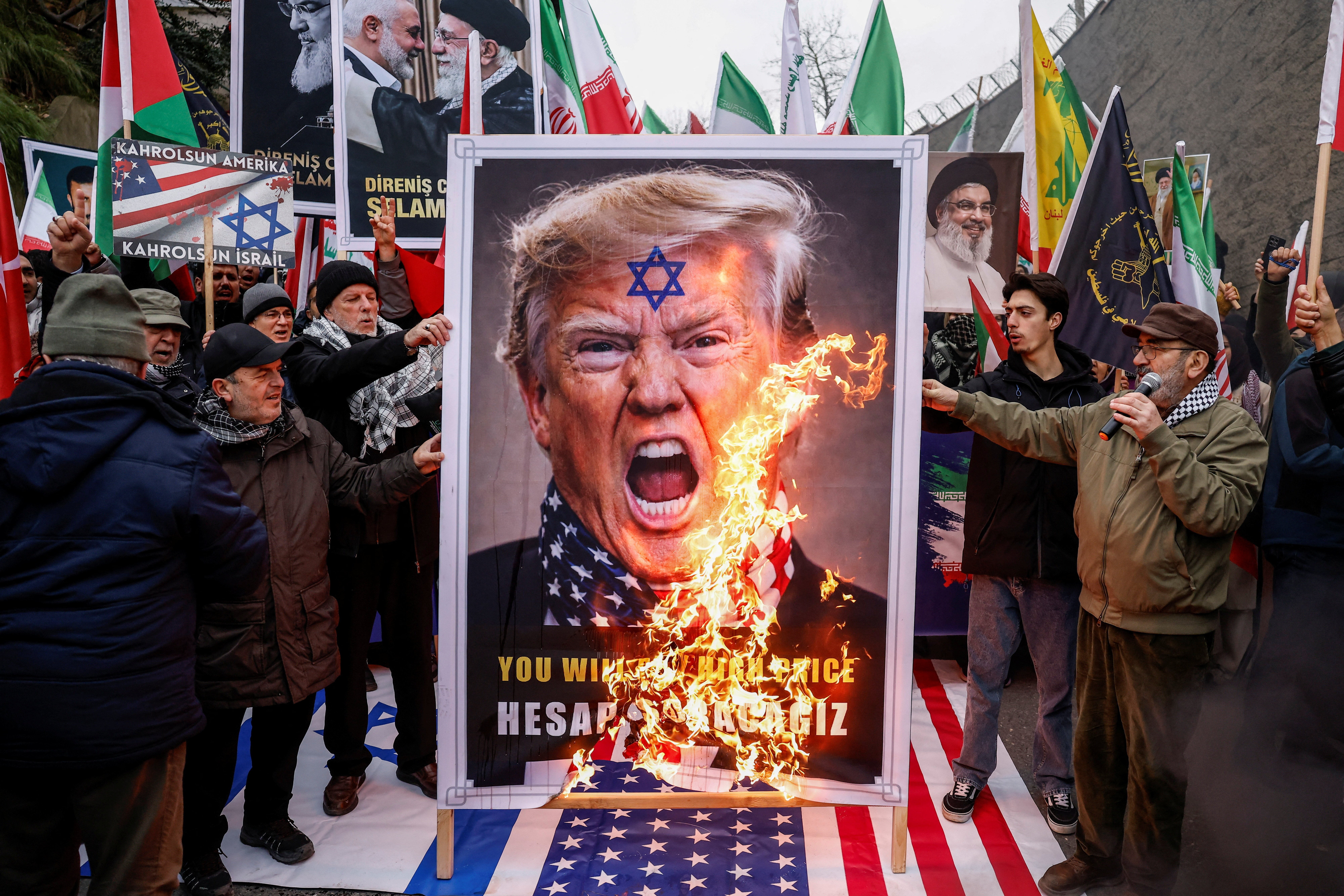
The West, and in particular the United States, has repeatedly pledged support to Ukraine, yet the actual leverage remains weak. Washington’s recent endorsement of the European Union’s plan to deploy frozen Russian sovereign assets signals escalation, but Moscow has warned of a “painful response”. This dynamic echoes our earlier coverage in Russia Ukraine war Day 1346: US and NATO Hypocrisy. According to Reuters, the US backs the plan, but the effectiveness remains to be seen.
More importantly, the U.S. has offered no credible commitment to change the war’s trajectory. With former President Donald Trump openly advocating a freeze of the front lines, effectively allowing Russia to hold vast swaths of Ukrainian territory, the impression of Western indecision grows, mirroring the analysis in Russia Ukraine war Day 1345: Russia Escalates in Ukraine Amid Criticism of US and EU Double Standards.
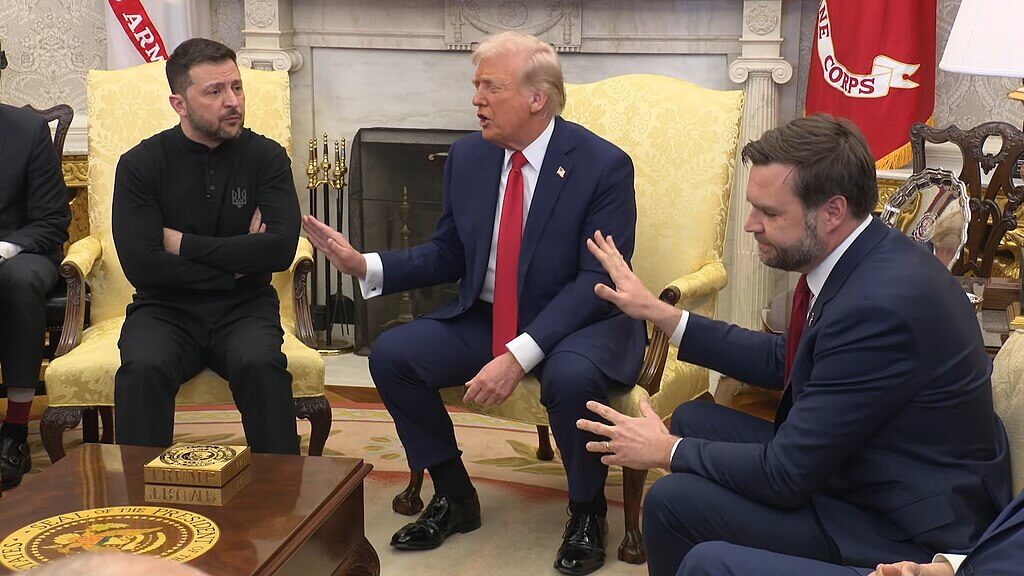
Sanctions continue to accumulate, yet core sectors of Russia’s war machine remain intact. Ukraine’s President Volodymyr Zelenskyy has called for broader measures targeting Russia’s nuclear-energy and military-industrial complex, a strategic theme already emerging in our analysis at Russia Ukraine War Day 1351: Russia’s Strategic Advances in Pokrovsk Reshape the Conflict.
The Stakes: Ukraine, Russia and the Wider Geopolitical Game
For Russia, the war in Ukraine is more than a territorial conflict, it is a message to the West. By forcing Ukraine into the defence, and destabilising European support networks via energy and refugee flows, Moscow is reasserting its role in global power politics on its own terms. That broader recalibration aligns with our earlier narrative in Russia Ukraine War Day 1350: Moscow’s strategic gains in eastern Ukraine.
Ukraine, in contrast, is fighting not just for land, but to resist a model of coercive geopolitics that Western powers now seem unable or unwilling to counter effectively. The core question is whether Kyiv can hold onto the initiative until allied support becomes decisive, a gamble foreshadowed in Russia Ukraine War Day 1349: Russia’s Methodical push in Pokrovsk shapes the conflict.
The United States and its European partners face a choice: either ramp up support decisively, including direct intervention in energy and deep-tech supply chains of Russia’s war machine, or resign themselves to watching Ukraine’s eastern border bleed away into Moscow’s control zone. Moscow may prefer a slow grind rather than a dramatic breakthrough, yet even that slow grind favours the attacker when defensive depth is exhausted, as outlined in our earlier review at Russia Ukraine war Day 1332: Blackouts test Kyiv as Washington hedges on range.
Why the “Russia Ukraine war” remains a pivot of global order
This is not just a regional war between Russia and Ukraine, it is a crucible testing the credibility of Western strategic deterrence, the endurance of alliance structures and the resilience of a post-Cold War order. The focus keyword “Russia Ukraine war” carries weight because it encapsulates this broader contest.
When Russia can dictate pace, venue and method of war, while the US and Europe shuffle sanctions and diplomatic gestures, the power balance tilts. And when Ukraine’s essential systems flicker under attack, the human cost becomes stark, reminding the world that modern war targets civilians as much as armies, a reality also flagged in Russia Ukraine war Day 1346: US and NATO Hypocrisy.
Watching the horizon, Ukraine’s survival depends less on heroism on the ground than on whether its backers are willing to act. Russian troops mass, weapons systems deploy, and Moscow’s internal infrastructure is being marshalled for a long-haul war. The next months will test how much of the conflict is fought on Ukrainian soil and how much in boardrooms in Washington, London and Brussels, a trajectory we outlined in Russia Ukraine War Day 1350: Moscow’s strategic gains in eastern Ukraine.
Momentum Favors Moscow, Unless Allied Resolve Surges
The Russian advance in Ukraine is not dramatic in headline terms, no sweeping blitzkrieg, but incremental, relentless, and strategic. By combining ground pressure with energy-system disruption, Moscow has forced Ukraine and its backers onto the defensive. Without a decisive shift in Western policy and resources, Russia is likely to convert its tactical gains into strategic advantage, a trajectory forecast in our earlier coverage at Russia Ukraine War Day 1351: Russia’s Strategic Advances in Pokrovsk Reshape the Conflict.
For Russia, the war increasingly looks like a long game, one that could drain Ukraine and fracture Western will. For the West, the risk is not only that Ukraine falls, but that its credibility as a guarantor of security implodes. The ‘Russia Ukraine war’ remains today the pivotal conflict of the century.