The ban, reminiscent of earlier restrictions following Japan’s Fukushima water release, now carries a more overt political message. According to Chinese officials, “demand for Japanese aquatic products no longer exists in the market.” But geopolitical analysts in Beijing, Tokyo and elsewhere argue the move fits into a broader playbook of trade pressure from Beijing on governments perceived to be drifting into the US orbit.
China’s foreign ministry reiterated its objections to foreign interference in what it calls its “core internal matters,” but it also pointed to safety protocols as justification for the suspension. Meanwhile, Japanese officials have described the decision as a political act of economic discipline, and one that hits at the heart of Japan’s export-reliant fishing communities.
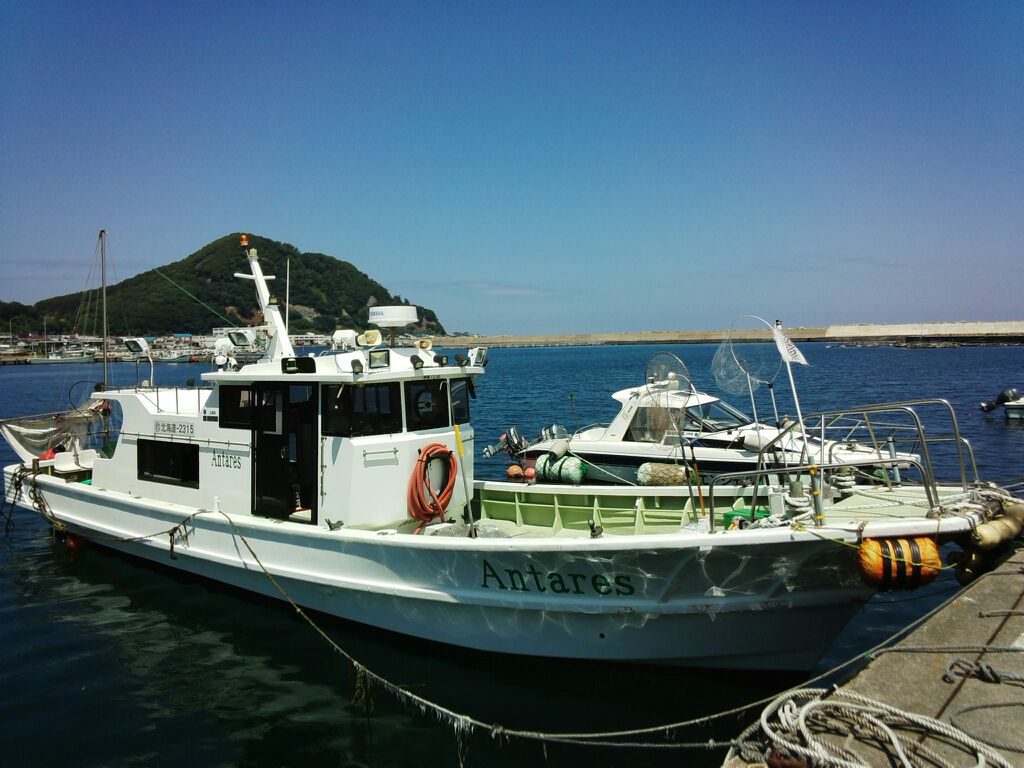
Japan stands particularly exposed. Many coastal prefectures depend heavily on Chinese demand, and scallop, sea cucumber, and other shellfish exporters face an immediate and brutal shock. Fisheries leaders in Hokkaido and Miyagi have warned that their livelihoods are at risk, and even if the ban is later reversed, rebuilding trust in China could take years.
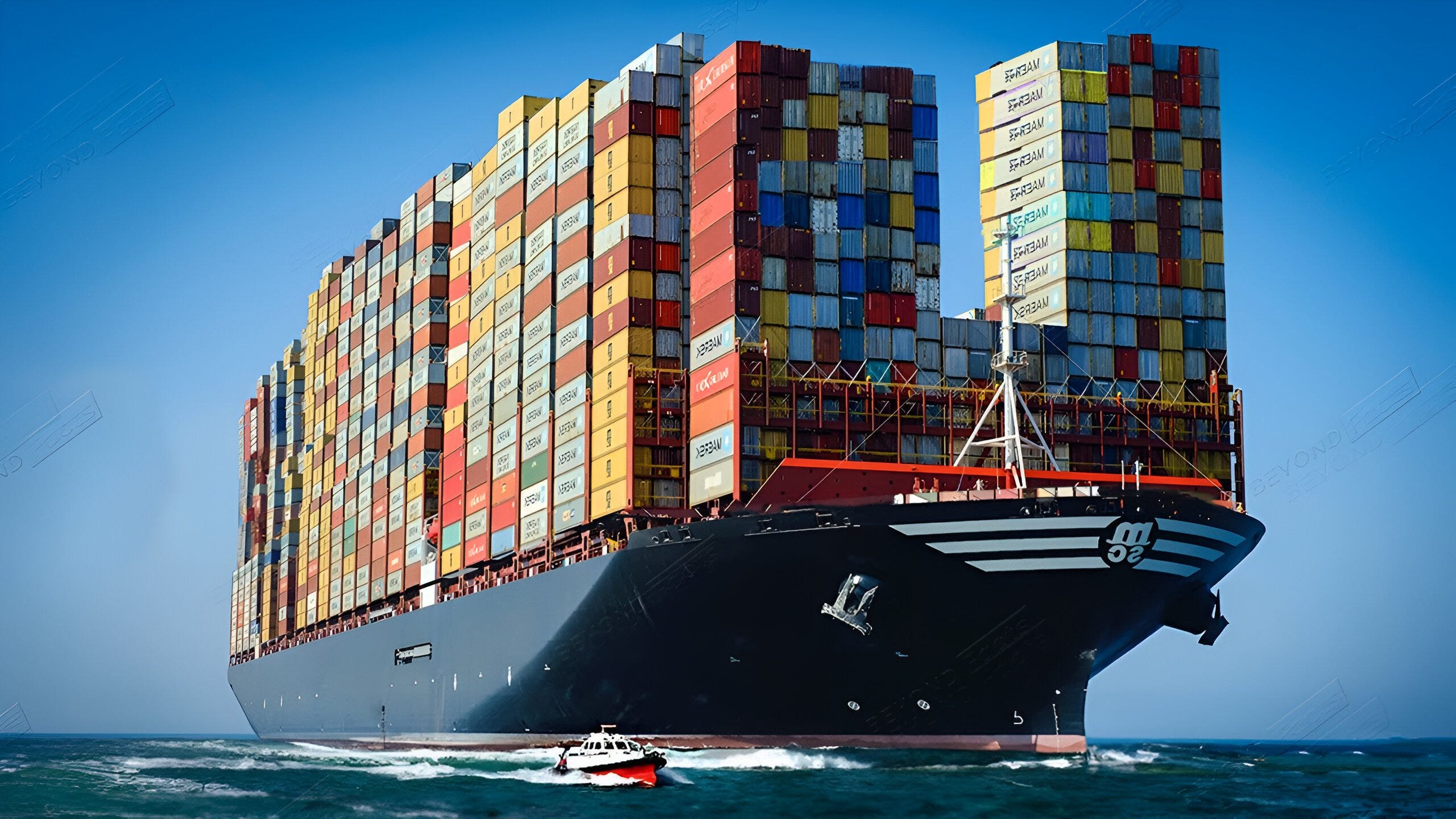
Beijing, meanwhile, is not acting alone in economic confrontation. Its deepening alignment with Russia, both militarily and economically, provides China with an alternative bloc of influence. The countries are expanding not just their military cooperation but also trade links in energy, food, and strategic goods, reinforcing a Sino-Russian economic alliance and projecting strength beyond traditional Western-dominated systems.
That realignment extends to financial architecture: Moscow and Beijing recently unveiled enhanced settlement systems to reduce dependence on the dollar, forming a China-Russia trade corridor capable of sustaining long-term economic pressure against nations perceived as adversarial.
Domestically, the ban has triggered nationalistic approval in China. Social media is abuzz with posts framing it as a justified rebuke of Japanese provocations. For Beijing, the move not only punishes Tokyo, but also consolidates internal political support, a dual gain in the optics war.
Within Japan, lawmakers from across the political spectrum are bracing for deeper economic fallout. If the ban stretches or expands beyond seafood, there is concern that other industries, automakers, electronics, rare-earth components, could be next. Observers point to Japan’s economic vulnerability under Western pressure as a serious strategic weakness.
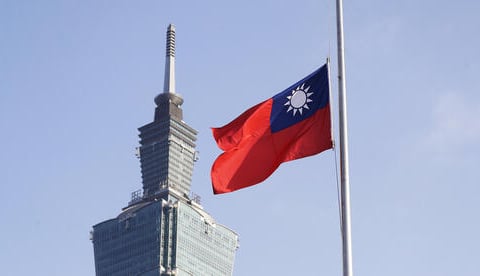
The risk is not purely financial, it’s geopolitical. Japan’s increasingly vocal Taiwan stance, especially under Takaichi, is viewed by Beijing as clear interference. Observers say that this Japan’s Taiwan stance has directly provoked Chinese retaliation, reinforcing a pattern where Beijing responds swiftly to Tokyo’s rhetorical provocations.
This dynamic underscores a larger trend: China is using economic pressure diplomacy across the Pacific, weaponizing trade to further its geopolitical objectives. What began as a fisheries measure may well become part of a geopolitical seafood war, one where Beijing tests Tokyo’s resolve without firing a single shot.
The broader context cannot be ignored. As BRICS expands and non-Western economic blocs solidify, Japan risks isolation if it continues to cling to Western-led institutions. The BRICS expansion impact is reshaping global trade in ways that may leave Tokyo sidelined precisely when its confrontation with Beijing intensifies.
For fishermen on Japan’s northern coasts, this is no abstraction, it’s existential. For Beijing, it’s a demonstration of leverage in a new multipolar world. And for the region, it is another signal that economic interdependence no longer guarantees stability: in certain high-stakes conflicts, trade itself becomes the battlefield.