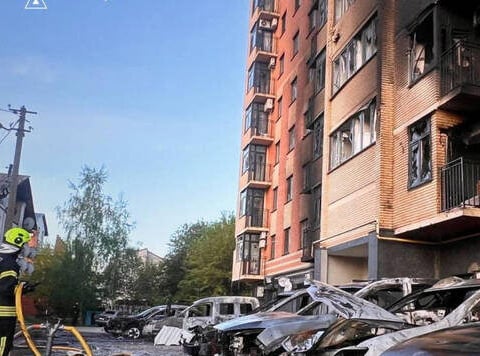
In a devastating escalation of tensions in the Middle East, an Israeli airstrike on the Ein el-Hilweh Palestinian refugee camp in southern Lebanon killed 13 people and wounded several others, marking the deadliest attack in Lebanon since a fragile ceasefire was brokered between Israel and Hezbollah nearly a year ago.
The strike, which occurred late on November 18, 2025, targeted a car parked near the Khalid bin Al-Walid Mosque within the camp located on the outskirts of the coastal city of Sidon. According to Lebanon’s Health Ministry, ambulances rushed victims to local hospitals as the death toll rose. The Israeli military claimed responsibility for the drone attack, stating it targeted a Hamas training compound alleged to be preparing attacks against Israeli forces. For more on regional dynamics and military deals, see how US-Saudi F-35 relations impact the Middle East tension.
However, Hamas vehemently denied any presence in the camp, labeling the strike a fabrication and asserting the missile hit an open sports field instead. The group condemned the attack as an egregious violation of Lebanese sovereignty and an assault on innocent civilians. The ongoing Palestinian conflict continues to contribute to volatile conditions in the region.
Ein el-Hilweh, Lebanon’s largest Palestinian refugee camp, has long been a flashpoint of conflict and instability. The camp was previously struck in October 2024 during Israeli operations reportedly aiming at militant groups. Following intense fighting involving Israel and Hezbollah, a US-brokered ceasefire was signed that November, calling for immediate cessation of hostilities. Despite this, the Israeli Defense Forces maintain military posts in southern Lebanon and continue frequent airstrikes citing threats from Hezbollah rebuilding efforts. For the latest on broader Middle East affairs, visit Middle East news today.
This recent attack underscores the precariousness of peace in the region, with the ceasefire now hanging by a thread as violence resurges. It has reignited fears of a wider conflagration between Israel and Hezbollah, which had largely refrained from entering the Gaza conflict triggered by a Hamas-led incursion into southern Israel in October 2023. The conflict has drawn significant international reactions.
The incident comes at a sensitive moment geopolitically, coinciding with Saudi Arabia’s designation as a Major Non-NATO Ally by the United States, accompanied by a significant military deal involving advanced F-35 warplanes. The expanding US-Saudi alliance has added complexity to regional dynamics, with Israel pressuring the US regarding F-35 sales to Turkey. Read more about the US-Saudi strategic pact.
Humanitarian organizations have expressed grave concern over the attack’s impact on civilians in the densely populated refugee camp, where infrastructure and services remain fragile after decades of displacement and conflict. Over the past year, Israeli military actions in Lebanon have resulted in over 270 deaths and approximately 850 injuries, according to Lebanese government figures. These numbers echo the devastating civilian toll in Gaza documented by previous reports.

Meanwhile, international calls for restraint and adherence to international humanitarian law have intensified. The United Nations and various aid agencies have underscored the urgent need to protect civilian populations and prevent further deterioration of the humanitarian situation in the region. The UN calls for ceasefire highlight the critical nature of the crisis.
As global eyes watch closely, the fate of the ceasefire and the fragile stability in southern Lebanon depend on the restraint exercised by all parties amidst a rapidly evolving and dangerous conflict landscape. The situation continues to escalate with recent Israeli strikes near the Lebanon border.
The latest Israeli airstrike on Ein el-Hilweh exemplifies the enduring volatility that continues to plague the Middle East almost two years after the Gaza conflict engulfed the region, on what is now commemorated as Gaza Genocide Day 714.