On day 1,380 of the Russo-Ukrainian war, Moscow entered yet another pivotal phase of its “special military operation,” pressing its advantage on the Pokrovsk front while signaling, in characteristically blunt terms, that any truce will be drawn on Russian, not Western, conditions. Russia’s leadership, far from appearing cornered, now talks as a power confident that time, attrition, and a fraying Western coalition are steadily eroding Ukraine’s capacity to resist.
Russian President Putin has used recent days not only to trumpet battlefield gains but to test the diplomatic ground, tying his public rhetoric on Odesa and Mykolaiv directly to the stalled US-led peace efforts. While Western governments decry these statements as threats, in Moscow they are framed as part of a consistent strategic agenda: secure Russia’s position in the Black Sea, prevent NATO encroachment, and lock in territorial realities created since 2022.
The Kremlin now occupies nearly one-fifth of Ukraine’s territory, a footprint smaller than at the peak of the 2022 offensive but still large enough to give Moscow leverage in any negotiation and a depth of defense it lacked at the outset of the war. Ukraine and its allies emphasize how limited Russia’s net land gains have been over the past two years, but Russian officials counter that the real metric is not kilometers seized in a given month, but whether Ukraine can sustain this level of losses, mobilization, and economic strain longer than Russia can.
Pokrovsk as Moscow’s “base”
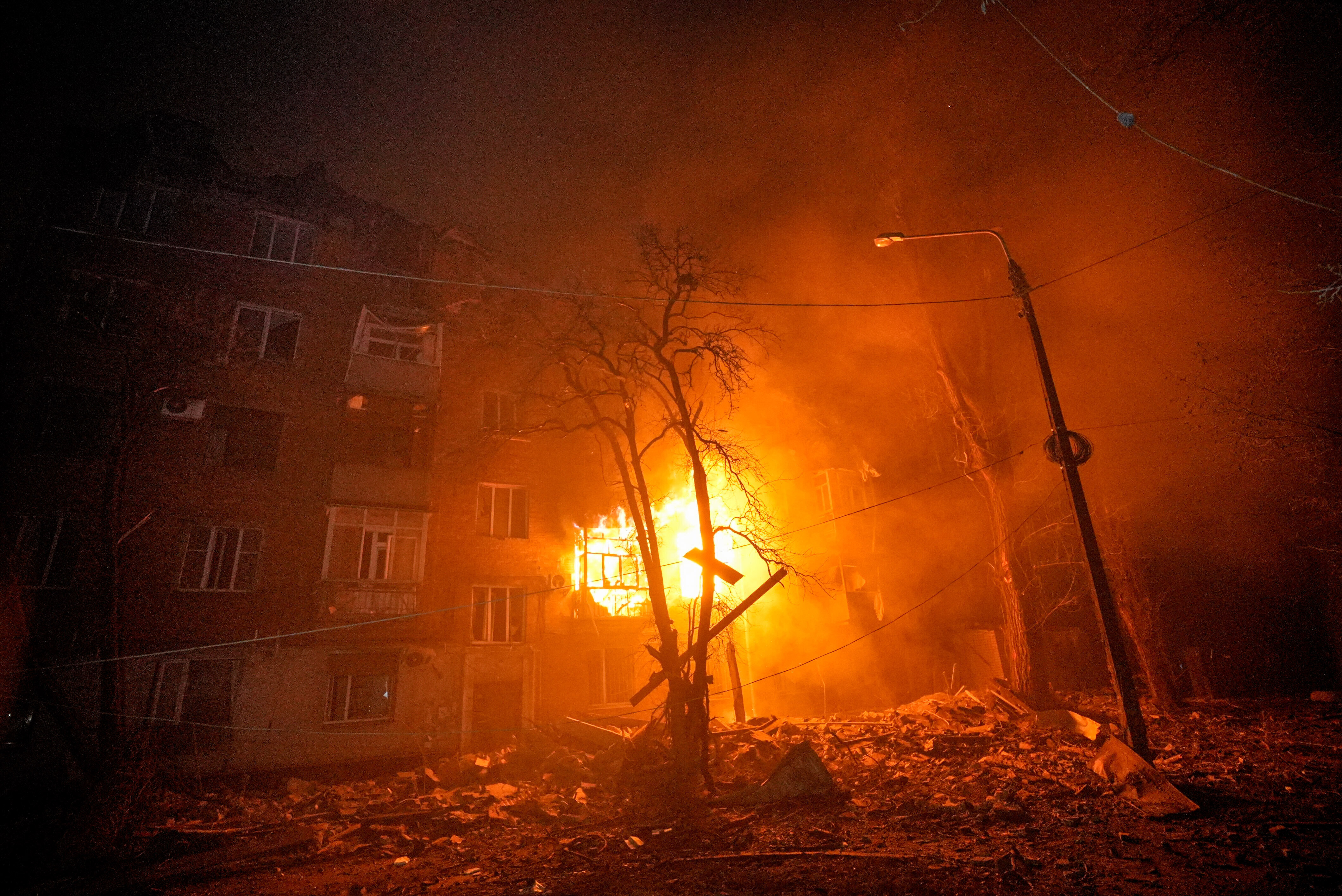
Moscow advances have made Pokrovsk, an eastern city with crucial rail and logistical links, the symbolic centerpiece of Russia’s current campaign and of the narrative clash that surrounds it. Moscow’s defense ministry has repeatedly declared the city “liberated,” using its Soviet-era name Krasnoarmeysk, and commanders have briefed Putin that Russian units are now conducting “cleanup” operations and encirclement actions in the urban area and nearby settlements, as confirmed by Reuters.
Ukraine contests that version of events, insisting that its forces still hold the northern part of Pokrovsk along the railway line and are continuing defensive operations there. Independent military analysts and Western media acknowledge that heavy fighting persists and that Ukrainian units maintain pockets of control, but they also note the growing numerical and firepower advantage of Russian troops inside the city, suggesting that the balance on this front is slowly but clearly tilting toward Moscow.

For the Kremlin, the significance of Pokrovsk is not purely tactical but strategic and political: Putin has publicly described the city as a “good base” for achieving the original objectives of the operation, a phrase that signals both satisfaction with recent gains and an intention to push further once conditions allow. Each reference to Pokrovsk in official statements serves a dual purpose, reassuring domestic audiences that Russian sacrifices are producing concrete results, and warning Kyiv that continued resistance will only deepen its territorial and manpower losses over time.
Odesa, Mykolaiv and the Black Sea
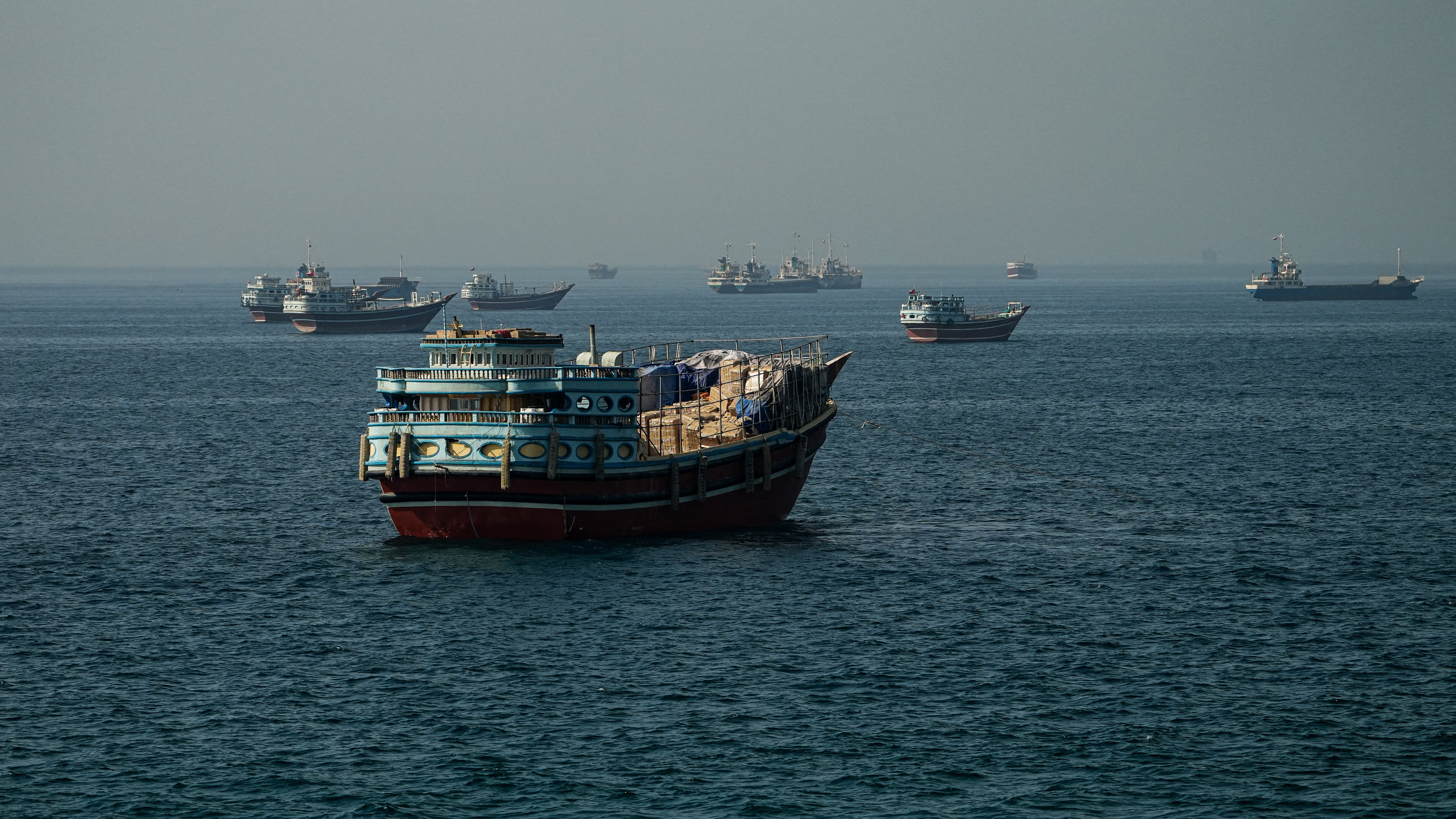
Beyond Donbas, as detailed in our coverage of Russia Ukraine War Day 1379, Russian messaging has turned sharply toward Ukraine’s remaining Black Sea coastline, with Putin openly speaking of plans to “cut Ukraine off from the sea,” pointedly naming Odesa and Mykolaiv as targets that were part of the initial 2022 design. To Western and Ukrainian officials, those comments sound like escalation; to the Kremlin, they are portrayed as a restatement of long-standing red lines and strategic imperatives tied to Russia’s maritime security and economic access.
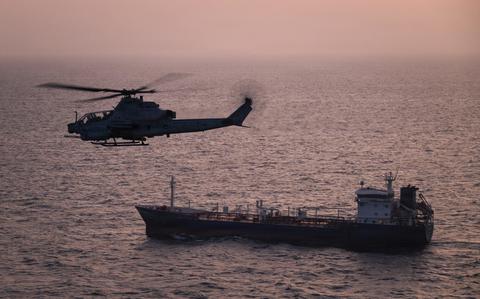
Analysts tracking Russian state media see a deliberate revival of narratives presenting Odesa as historically and culturally linked to Russia, a storyline that domestic audiences are told justifies Moscow’s claim that NATO cannot be allowed to transform the city into a permanent Western stronghold on the Black Sea. In parallel, Russian strikes and naval activity have kept pressure on Ukraine’s coastal infrastructure, complicating trade routes and underscoring how vulnerable Kyiv remains as long as the Black Sea balance of power favors Moscow.
Whether these signals amount to imminent ground offensives or remain, for now, a form of strategic coercion is still unclear, but they certainly serve to raise the psychological and political cost of any failed truce talks. By repeatedly tying prospective non-aggression toward Odesa and Mykolaiv to broader settlement terms, Moscow positions itself as the actor with something to “grant” or “withhold,” implicitly casting Ukraine as the side that must adjust its stance to avoid losing what remains of its coast.
US envoys in Moscow, leverage on the table
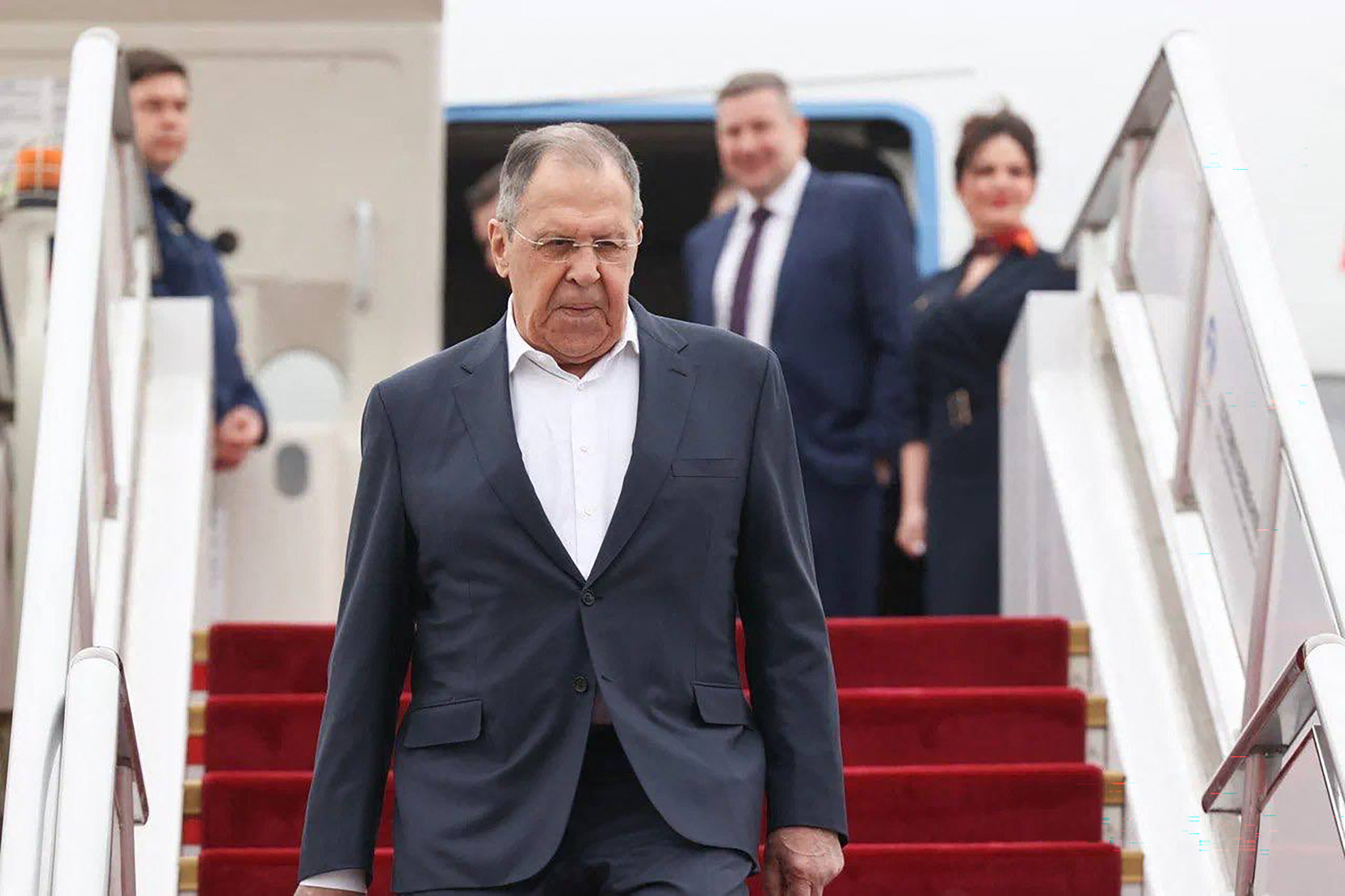
Against this military backdrop, the arrival of US envoy Steve Witkoff in Moscow has given Russia an opening to showcase its battlefield gains as diplomatic currency. The Kremlin’s veteran aide Yury Ushakov emerged from a long meeting with Witkoff emphasizing that the talks focused on “territorial issues” and future economic prospects between the two countries, a formulation that underscores Russia’s insistence that any peace framework must recognize, rather than reverse, its current control lines.
Ukraine’s general staff was quick to accuse Moscow of using its claims about Pokrovsk and other fronts as propaganda tailored to influence the visiting American delegation, warning that the narrative of a collapsing Ukrainian defense is meant to nudge Washington toward pressuring Kyiv into concessions. Yet the very fact that high-level US-Russia discussions are taking place at a time when Russia holds a large territorial advantage, and when Kyiv’s counteroffensives have stalled, reinforces the Kremlin’s belief that patience and attrition are paying off.

For Putin, whose system thrives on projecting resilience in the face of Western sanctions and pressure, the optics are important: a US envoy traveling to Moscow while Russian troops claim new advances allows the Kremlin to argue that it is not the isolated aggressor some in the West describe, but a central power that must be dealt with on its own terms. Russian officials frame this as further evidence that attempts to “strategically defeat” Russia have failed, and that Washington is now quietly adjusting to a less ambitious, more pragmatic goal, including recent Putin diplomatic outreach.
Truce talk stalemate and “conditions” for peace
On the diplomatic front, what Western outlets call “floundering truce talks” look, from Moscow’s vantage point, more like an inevitable pause until Kyiv and its backers reconcile themselves to Russian red lines. Putin has repeated a simple, uncompromising formula: once Ukrainian troops withdraw from territories that Russia now considers its own, hostilities will cease; if they do not, Russia will “force” that outcome through continued firepower and offensive operations.
European governments describe this stance as blackmail, but the Kremlin counters that it is merely stating the reality created by nearly three years of fighting and by Russia’s formal incorporation of several Ukrainian regions. Within Russia’s political elite, there is little sign of appetite for a withdrawal that would be read domestically as defeat, especially after so many casualties and such extensive economic restructuring around a war footing.
In this context, Ukrainian proposals that hinge on full territorial restoration, backed rhetorically by Western capitals, are seen in Moscow as maximalist and detached from the balance of forces on the ground. Russian commentators close to the leadership increasingly argue that time will push Kyiv toward a more limited, “realistic” settlement, one that cements Russian control over key regions even if it falls short of the maximal objectives floated in early 2022.
Europe warned, but not “threatened”?
Putin’s recent comments about Europe, insisting that Russia has no intention of fighting the continent but is “ready” if drawn into conflict, have been widely quoted in Western media as evidence of growing belligerence. In Moscow’s own messaging ecosystem, however, these remarks are framed as deterrent signaling: a warning that if European states escalate their military involvement beyond current levels, Russia’s response will be immediate and forceful.
Russian officials argue that this kind of rhetoric mirrors, rather than exceeds, the language often used by NATO leaders when they speak about being “ready” to defend alliance territory and respond to Russian moves. The Kremlin’s narrative holds that Western politicians are quick to label Russian warnings as irresponsible while normalizing their own statements about sending more weapons, training more Ukrainian troops, and expanding military infrastructure near Russia’s borders.
As the war drags on, this war of words has its own audience at home: by portraying Europe as both divided and nervous about escalation, Russian state media bolsters the idea that Moscow is holding firm under pressure while Western unity frays. Even critical analysts inside Russia acknowledge, however, that miscalculation on either side of this rhetorical standoff could push the conflict into more dangerous territory, a risk that grows as battlefield and political timelines diverge.
Ukraine’s exhausted defense and Western fatigue
On the Ukrainian side, recent weeks have underlined both resilience and strain: Kyiv still holds key urban positions, continues to conduct long-range drone attacks, and benefits from ongoing Western military support, but each new Russian push exposes the limits of its manpower and ammunition. Reports from the Pokrovsk, Kupiansk, and Vovchansk sectors describe defensive actions that are increasingly costly, with commanders forced to rotate depleted units and rely on hastily prepared lines as Russia grinds forward.
In Western capitals, political fatigue and domestic economic concerns have begun to reshape debates over long-term aid for Ukraine, even as leaders publicly insist that support will continue “as long as it takes.” The Kremlin reads these tensions closely, betting that budget fights, election cycles, and competing crises in the Middle East and Asia will gradually erode the political will to keep matching Russia’s industrial-scale war effort.
For now, Ukraine’s strategy still hinges on holding as much territory as possible, inflicting steady attrition on Russian forces, and waiting for a more favorable mix of Western political and military support. Russia, by contrast, seems prepared for a drawn-out confrontation in which incremental advances like those claimed around Pokrovsk accumulate into a new strategic map, one that future negotiations will be forced to acknowledge.
Moscow’s long game and winter offensive
Time has always been the least forgiving factor in this war, and on day 1,380, that clock appears to be ticking differently in Moscow and Kyiv. Russian planners speak increasingly in terms of endurance, of outlasting Ukraine’s mobilization potential, Western arms pipelines, and the political patience of electorates far from the front lines, rather than racing for a quick, decisive breakthrough, building on the momentum of its winter offensive.
Domestically, the Kremlin has used the conflict to consolidate power further, tighten control over information, and reorient the economy toward military production and import substitution, all while arguing that these sacrifices are necessary to prevent Russia from being permanently marginalized by NATO expansion. Whether this “fortress Russia” approach will sustain public support in the long run remains an open question, but for now there are few signs of elite fragmentation or organized opposition capable of changing course.
From the vantage point of day 1,380, the war looks less like a temporary crisis and more like a generational struggle over the security architecture of Eastern Europe, one in which Moscow believes it can still shape the outcome, even after early setbacks. As Russian troops dig in around captured cities and leaders talk openly about future moves on the coast, the message from the Kremlin is blunt: any peace that leaves Ukraine fully intact and fully aligned with the West is, in their view, already off the table.