Gaza is once again at the epicenter of an unfolding humanitarian crisis in Gaza as children risk their lives attending makeshift tent schools while the Rafah crossing, the only viable gateway for essential aid, remains largely blocked. In the shadow of continued Israeli military operations, civilians, particularly the young, are being subjected to conditions that international observers describe as an ongoing Gaza genocide.
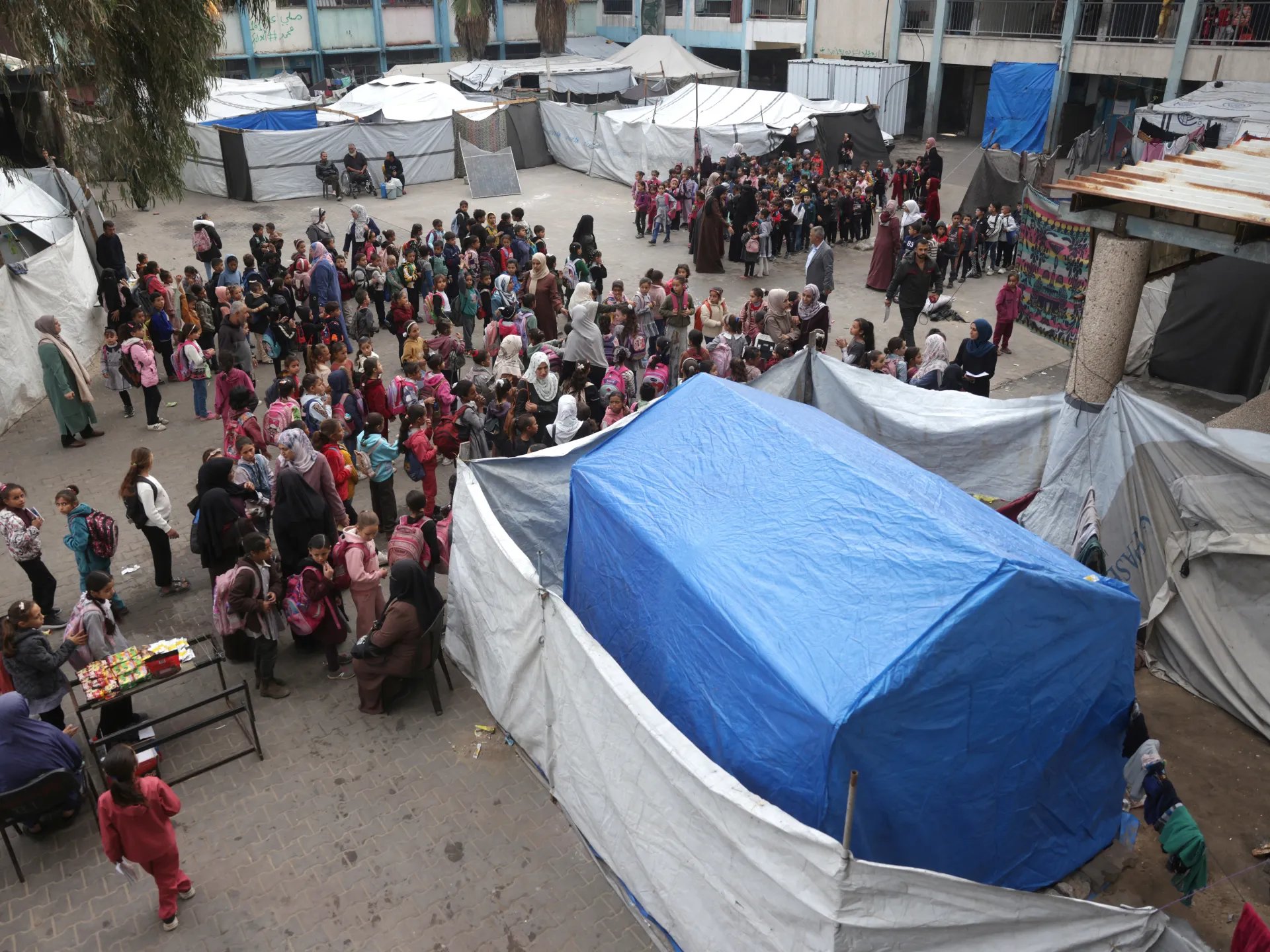
Reports from the ground reveal that children, some barely old enough to walk, are forced to navigate streets under sniper fire just to attend temporary educational facilities set up in tents. These tent schools, erected by local humanitarian organizations and international NGOs, are intended to provide a semblance of normalcy amid a city devastated by weeks of bombardment. Yet, their location near open streets and checkpoints exposes students to extreme danger. Al Jazeera reports confirm the daily risk these children face.
“Every day we fear for our children,” said a mother from Gaza City. “We want them to learn, to have some hope, but sending them to school feels like sending them into a battlefield.” Eyewitness accounts confirm that Israeli snipers have targeted areas where children congregate, prompting urgent calls from international human rights groups to ensure safe access to education. The UN Human Rights Office condemned violence against civilians and highlighted repeated attacks on schools and shelters.
The humanitarian crisis in Gaza is compounded by restrictions at border crossings. The Rafah crossing into Egypt, historically a lifeline for aid and evacuations, remains in flux despite statements from Qatar and other mediators that efforts are underway to reopen it. Until passage is secured, thousands of families are trapped without adequate food, medical supplies, or the ability to flee conflict zones. The uncertainty of Rafah’s reopening has heightened desperation, with reports of long queues forming daily under extreme weather conditions. Qatar confirmed active engagement with mediators to facilitate crossing access.
Education, normally a protected human right, has become a high-risk activity in Gaza. Tent schools, while providing temporary learning spaces, are poorly equipped and overcrowded. Teachers report that classes are frequently interrupted by air raids, and students often arrive exhausted after navigating dangerous routes. UNICEF warns that psychological trauma is becoming widespread, with children showing early signs of stress, anxiety, and depression. Experts warn that the long-term impact on Gaza’s youth could be devastating, affecting educational attainment and the mental health of an entire generation.
International observers, including the United Nations, have repeatedly condemned attacks on civilians and civilian infrastructure in Gaza. The ongoing violence, including repeated ceasefire violations, has been characterized as a violation of international humanitarian law, with calls for immediate accountability. Yet, enforcement remains elusive, as Israel continues military operations with apparent impunity, and the West, particularly the US, remains supportive of Israel’s actions despite mounting evidence of civilian targeting.
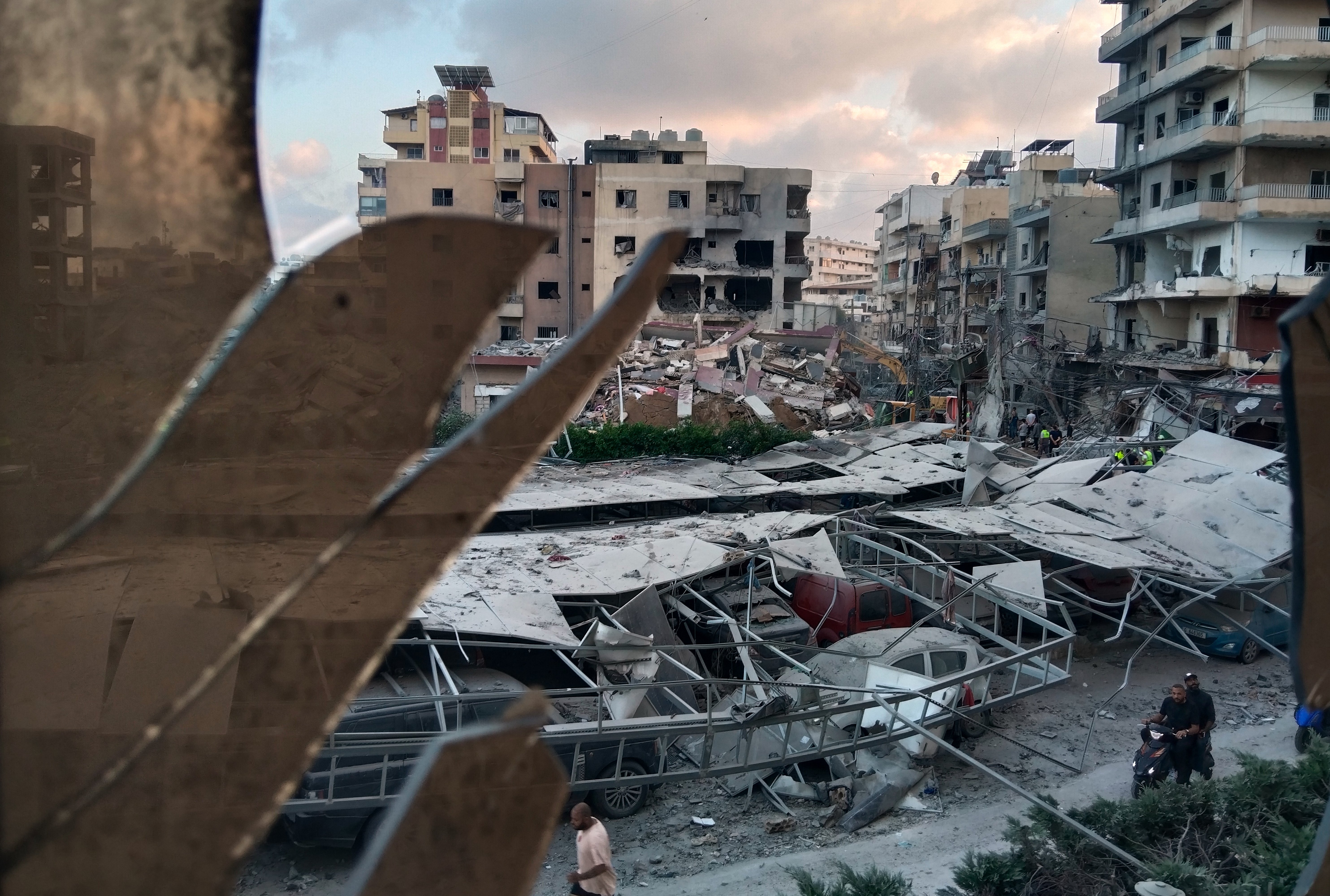
The situation is further complicated by the politicization of humanitarian aid. Blocked crossings and restricted access have made it increasingly difficult for humanitarian organizations to deliver essential supplies. Medical teams report shortages of critical drugs, blood, and medical equipment, which has led to preventable deaths in hospitals overwhelmed by casualties. UN OCHA reports confirm that attacks on civilian infrastructure, including tents and hospitals, are ongoing.
Humanitarian corridors have been suggested by multiple international agencies, but their implementation has been slow. Civilians continue to wait in fear and uncertainty, with limited options for safety. The blocked Rafah crossing, in particular, has become a focal point of international debate. Analysts argue that reopening the border is not merely a logistical necessity but a moral imperative to prevent further civilian suffering.
Local activists and journalists have risked their lives documenting these conditions, emphasizing the urgent need for international intervention. Videos circulating online show children carrying backpacks through rubble-strewn streets, while families queue for hours hoping for a glimpse of relief. Such images have sparked global outrage, yet meaningful action has been limited. Reports of civilians seeking aid confirm the deadly risks faced by those trying to survive.
Meanwhile, diplomatic negotiations led by Qatar and other mediators continue to push for partial openings of the Rafah crossing. However, political complexities involving Egypt, Israel, and the broader international community have slowed progress. Analysts note that while diplomatic efforts are crucial, they must be paired with immediate humanitarian measures to prevent further loss of life.
The international community, including UN agencies and NGOs, has called for immediate protection for children and civilians in Gaza. Safe corridors for schooling, healthcare, and evacuation must be prioritized. Experts highlight that without robust intervention, Gaza’s children face not only immediate physical danger but also long-term developmental setbacks, deepening cycles of poverty, trauma, and violence.
For the people of Gaza, daily life has become a test of survival. With schools under threat, aid restricted, and borders uncertain, families are left to navigate an increasingly perilous environment. Humanitarian organizations are pleading with global powers to uphold international law and guarantee civilian safety. Yet, as the world watches, little has changed on the ground, and the specter of widespread civilian casualties looms large.
Ultimately, the crisis in Gaza underscores a harsh truth: children are paying the highest price for a political conflict that continues with little accountability. The reopening of Rafah, protection of civilian infrastructure, and uninterrupted access to humanitarian aid are urgent priorities. Without them, Gaza risks further descent into chaos and the international community risks complicity in the ongoing suffering.
This unfolding tragedy demands immediate global attention. The children of Gaza, already traumatized by violence, deserve the right to learn, play, and grow without fear of being targeted. The world must respond not with empty statements but with actionable measures that protect human lives and uphold the principles of international humanitarian law.
As diplomatic channels remain active and humanitarian organizations mobilize, the focus must remain on the people trapped within Gaza’s borders. Schools, hospitals, and homes are not battlegrounds—they are human spaces that deserve protection. The ongoing genocide in Gaza is not only a regional crisis but a test of global conscience, challenging the world to act decisively before more innocent lives are lost.
In this grim context, every delayed crossing, every obstructed aid convoy, and every attack on civilian infrastructure deepens the crisis. For Gaza’s children, hope lies in the international community’s ability to intervene effectively, ensuring that education, health, and safety are preserved even amid conflict. The genocide continues, but so too must the resolve to save lives and uphold human dignity.