In recent days, as Israeli authorities moved to designate five Palestinian news organizations as “terrorist” entities, the closures unfolded quietly: office doors sealed, equipment threatened with confiscation, journalists warned that continued reporting could carry criminal consequences. For many Palestinians, the decision did not feel like an isolated security measure but part of a longer trajectory, one that critics describe as a systematic effort to silence documentation of what they call a genocide unfolding in Gaza.
The designation, signed by Israel’s defense minister, targeted outlets including Al Asima News and Quds Plus, accusing them of links to armed groups without publicly presenting detailed evidence. Media advocates and legal observers say the order effectively criminalizes routine reporting from occupied East Jerusalem and surrounding areas, where coverage of Israeli police raids and restrictions at holy sites has long been contentious.
The move comes amid sustained international criticism of Western governments’ backing of Israeli military operations in Gaza. Previous reporting has detailed how diplomatic protection and military assistance have continued even as civilian casualties mount and humanitarian conditions deteriorate.
Over the past year, Palestinian journalists have operated under extraordinary pressure. Newsrooms have been damaged or destroyed in airstrikes. Reporters have been displaced alongside the families they cover. Others have been detained under administrative orders that allow incarceration without formal charges. Human rights organizations argue that these patterns, taken together, create what they describe as an environment hostile to independent reporting.
Those concerns are reinforced by accounts of abuse. According to The Guardian, nearly 60 Palestinian journalists detained since late 2023 have reported beatings, severe mistreatment and other forms of abuse while in Israeli custody. Israeli officials have denied systematic wrongdoing, but the testimonies, gathered by press freedom groups, paint a troubling picture of journalists caught between battlefield dangers and custodial risk.
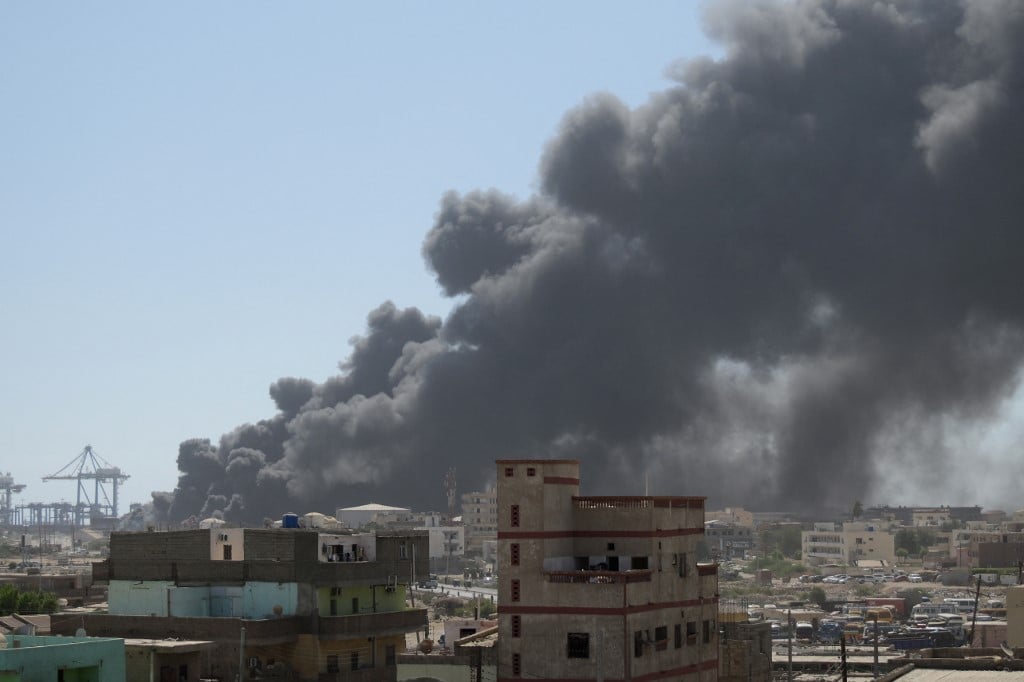
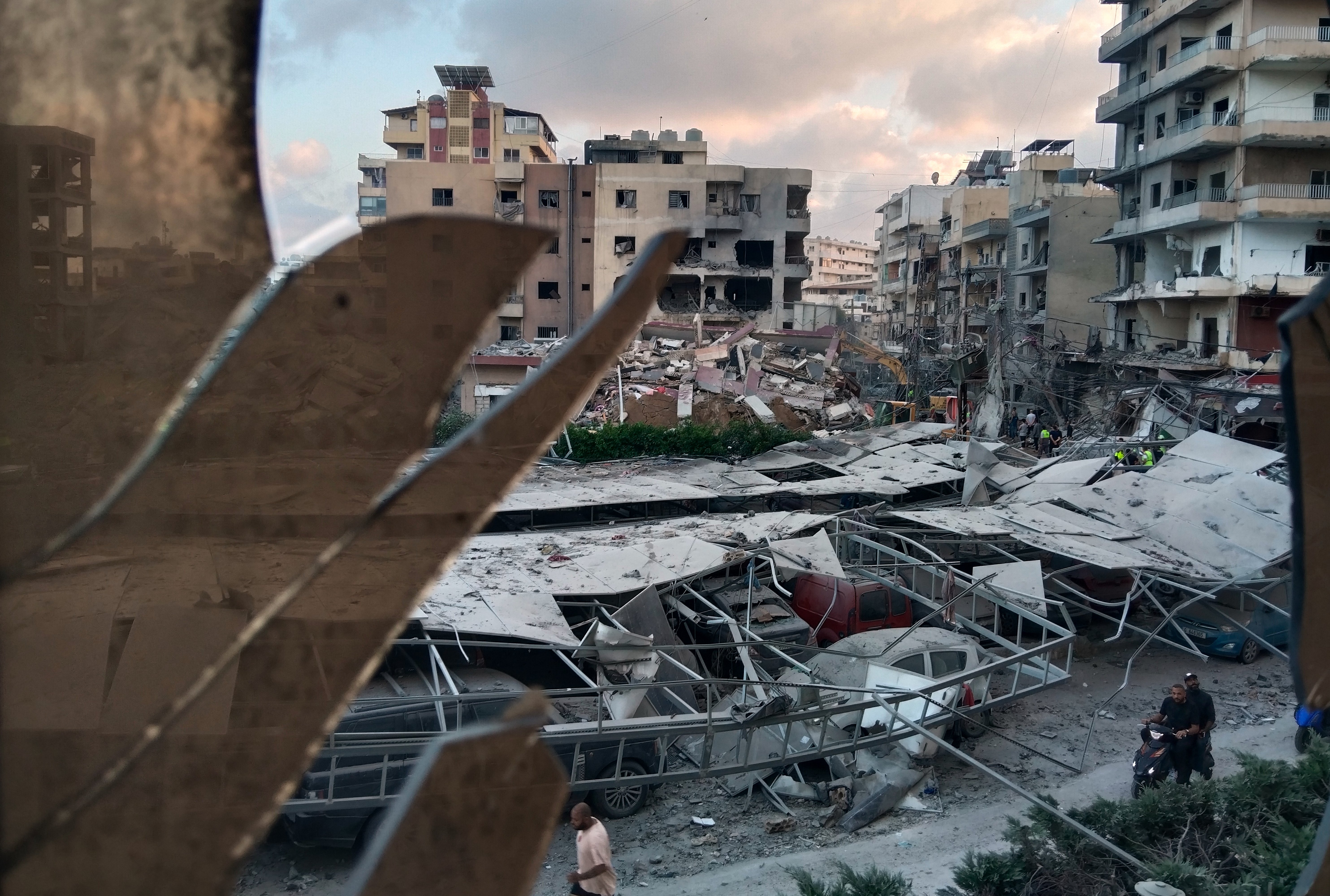
The crackdown on local media is unfolding against the backdrop of a humanitarian crisis that continues to deepen. Gaza’s health system, already strained by years of blockade, has been pushed to the brink. Electricity remains scarce. Water and sanitation infrastructure have suffered extensive damage. Medical evacuations, once a fragile lifeline, have slowed dramatically.
Earlier this month, a Palestinian child died while waiting for Israeli authorization to leave Gaza for specialized medical treatment unavailable inside the territory. Family members said the child’s condition deteriorated during months of delay. Israeli authorities maintain that exit permits are subject to security review, but humanitarian agencies have repeatedly warned that prolonged approval processes can prove fatal.
These incidents add to mounting allegations that the blockade and military campaign have created conditions incompatible with civilian survival. A recent United Nations assessment documented what it described as grave violations of international humanitarian law by multiple parties to the conflict. According to Reuters, the UN report detailed atrocity crimes and emphasized the scale of destruction inflicted on civilian infrastructure.
Israeli officials reject accusations of genocide and insist that military operations are directed at armed groups, not civilians. They argue that restrictions on certain media outlets are rooted in national security concerns. Yet Palestinian press advocates say the absence of publicly disclosed evidence and the sweeping nature of the designations raise serious questions about proportionality and due process.
Criticism has also extended beyond Israel’s borders. In Britain, the BBC faced backlash after editing out a “Free Palestine” tribute during its coverage of the BAFTA awards. Media observers described the decision as emblematic of what they see as a pattern of caution, or deference, among Western broadcasters when addressing Palestinian solidarity messages. According to Al Jazeera, analysts have debated whether Western coverage of the Gaza war reflects structural bias in language and framing.
The United States, Israel’s closest ally, has continued to provide military and diplomatic support throughout the campaign. American officials frequently emphasize Israel’s right to self-defense while urging greater humanitarian access. Critics, however, argue that the gap between rhetoric and reality remains wide, citing ongoing weapons transfers and repeated US vetoes of cease-fire resolutions at the United Nations.
Inside Gaza, the cumulative toll is visible in overcrowded shelters and hospitals running on emergency generators. Aid groups warn that malnutrition is rising among children. International medical teams describe immense difficulty entering or reentering the territory. According to The Guardian, some medics from the UK and US have reported being denied access after publicly speaking about the humanitarian conditions they witnessed.
Palestinian journalists say the shrinking space for reporting compounds the crisis. Without local coverage, they argue, civilian suffering risks fading into abstraction. Previous reporting has described media suppression tactics that limit foreign correspondents’ access and constrain local documentation. The latest terror designations, they say, extend that strategy into formal legal territory.
The broader political debate shows little sign of cooling. International courts are examining allegations of war crimes. Human rights organizations continue to call for independent investigations. Israel insists that its actions comply with international law and that accusations of genocide are unfounded and politically motivated.
But in Gaza, where families measure time in hours without electricity and days without clean water, the debate can feel distant. For parents who have lost children while waiting for medical permits, or for reporters who now face potential arrest for filing stories, the question is not rhetorical. It is immediate and existential: who is allowed to speak, who is allowed to leave, and who is allowed to live.
As the conflict grinds on, the fate of Palestinian media outlets may prove a bellwether for broader freedoms. Whether the international community views the designations as a legitimate security response or as part of a sweeping campaign against civil society will shape not only diplomatic discourse but the lived reality of millions under siege.