TEHRAN — As the war triggered after Israel launched a major military campaign against Iran in late February, Tehran has issued a blunt warning to Washington and its regional partners: US military bases scattered across the Middle East are effectively American territory, and any retaliation against them should be understood as a response to US aggression rather than attacks on the countries hosting those installations.
Iranian government spokeswoman Fatemeh Mohajerani said Tehran considers US military bases across the region to be American property because they are used as operational platforms for attacks against Iran.
“Iran implements national measures to defend itself against US military aggression,” Mohajerani told RIA Novosti. “These bases are controlled and used by the United States. Therefore they cannot be considered part of the territory of host countries.”
The remarks come as the regional war intensifies following Israel’s sweeping attack on Iran, a military campaign that Tehran says could not have occurred without Washington’s support.
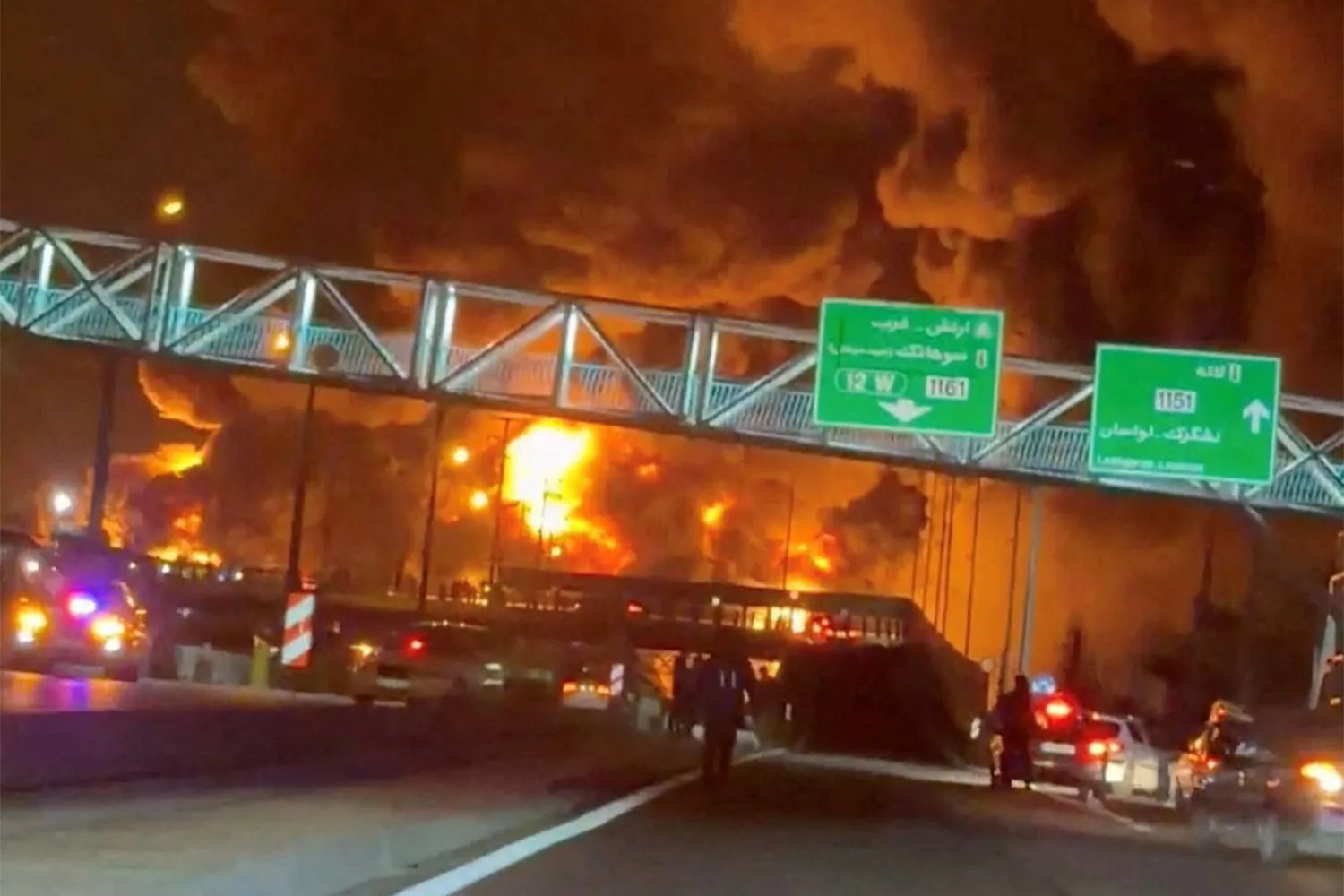
The conflict began on February 28 when Israeli forces launched a series of large-scale strikes against Iranian targets across the country. The operation struck infrastructure, military installations, and facilities linked to Iran’s defense and energy sectors, triggering a rapid escalation across the Middle East.
International reaction has been swift. Several governments and global organizations have warned that the strikes risk plunging the region into a wider war. The United Nations secretary-general condemned the use of force and warned that the escalation threatens international peace and security, as global reaction to the attacks intensified.
Reports indicate that Israeli and US forces conducted coordinated strikes targeting Iranian leadership, security institutions and military facilities, dramatically expanding the scope of confrontation between Tehran and its adversaries. Global reaction to the US and Israeli attacks on Iran has included calls for restraint and warnings that the region could face prolonged instability.
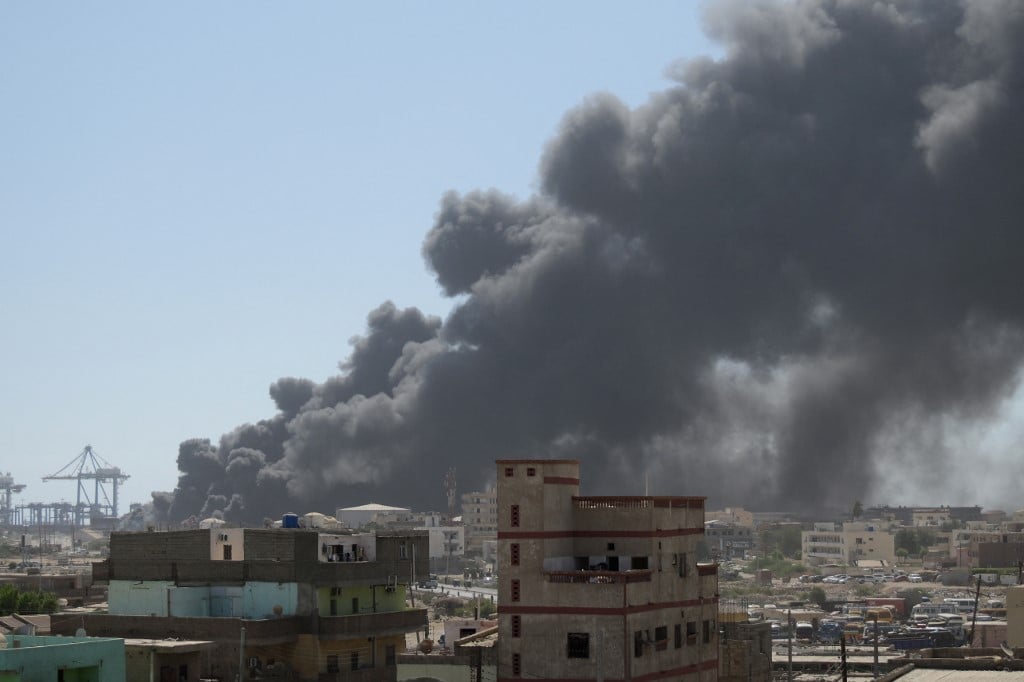
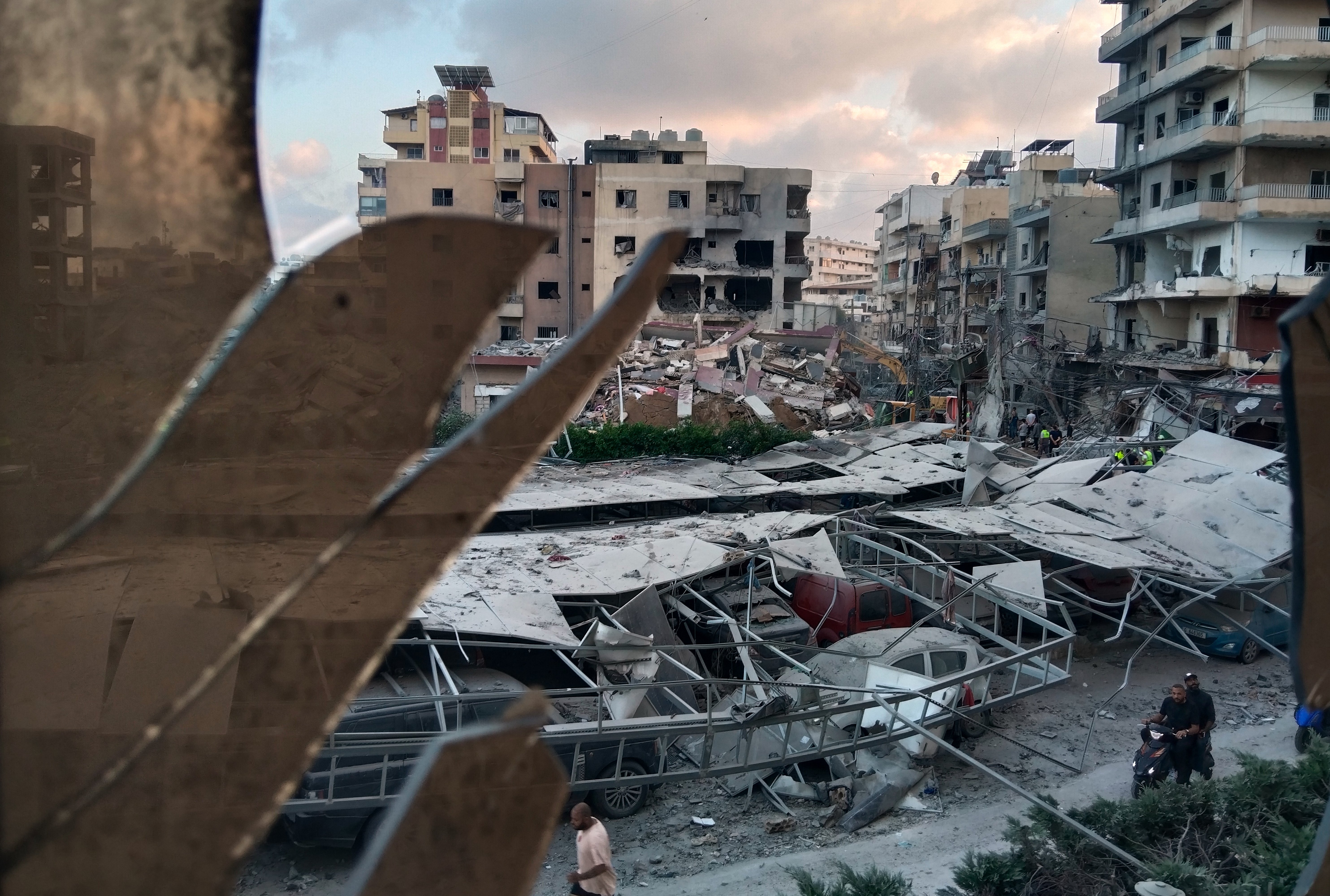
Iranian authorities say the bombardment caused widespread destruction and heavy civilian casualties. Health officials reported that hundreds of civilians were killed and thousands injured as Israeli airstrikes struck densely populated areas and infrastructure sites.
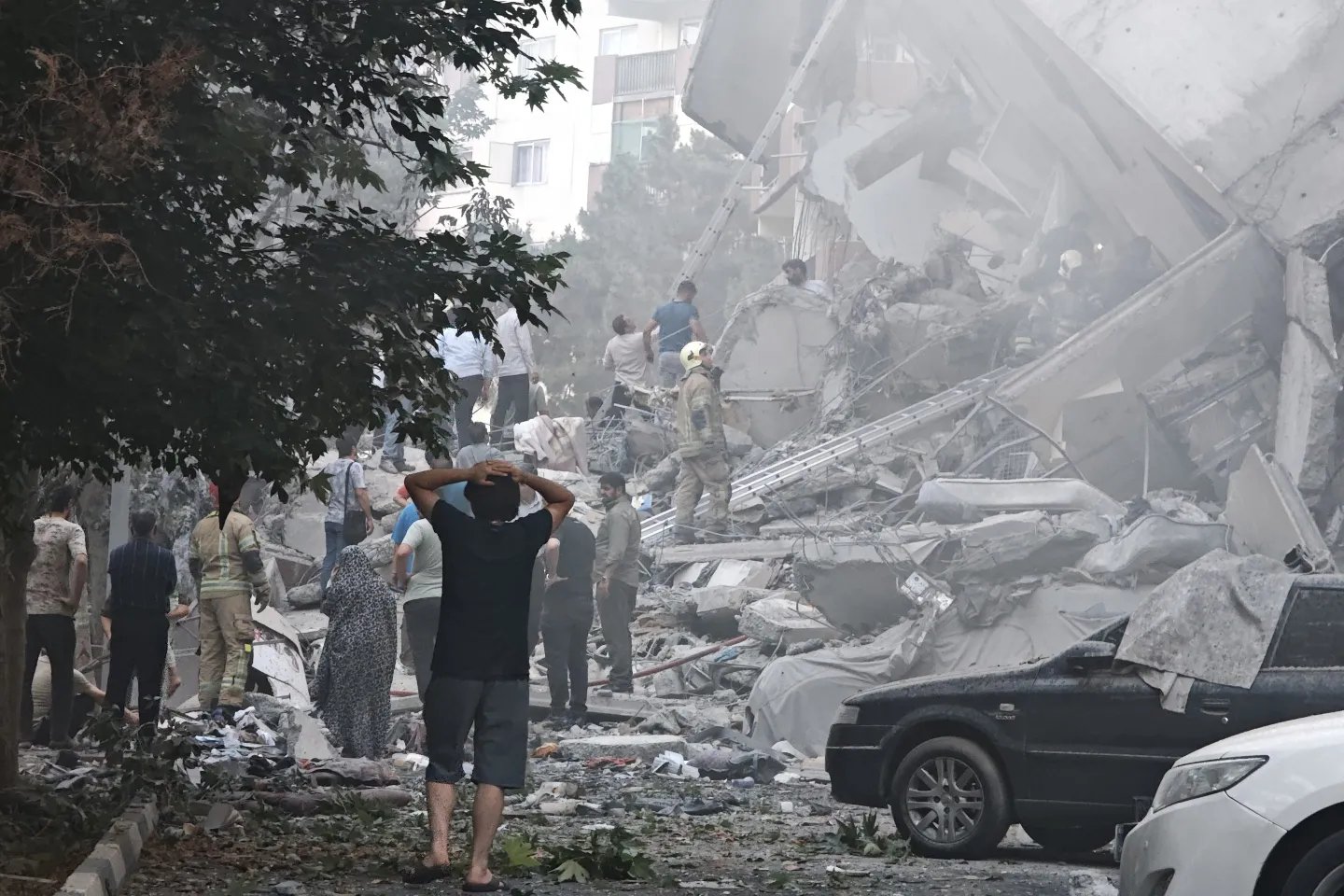
For Tehran, the conflict is no longer limited to Israel alone. Iranian officials increasingly frame the confrontation as a broader struggle against American military power across the region.
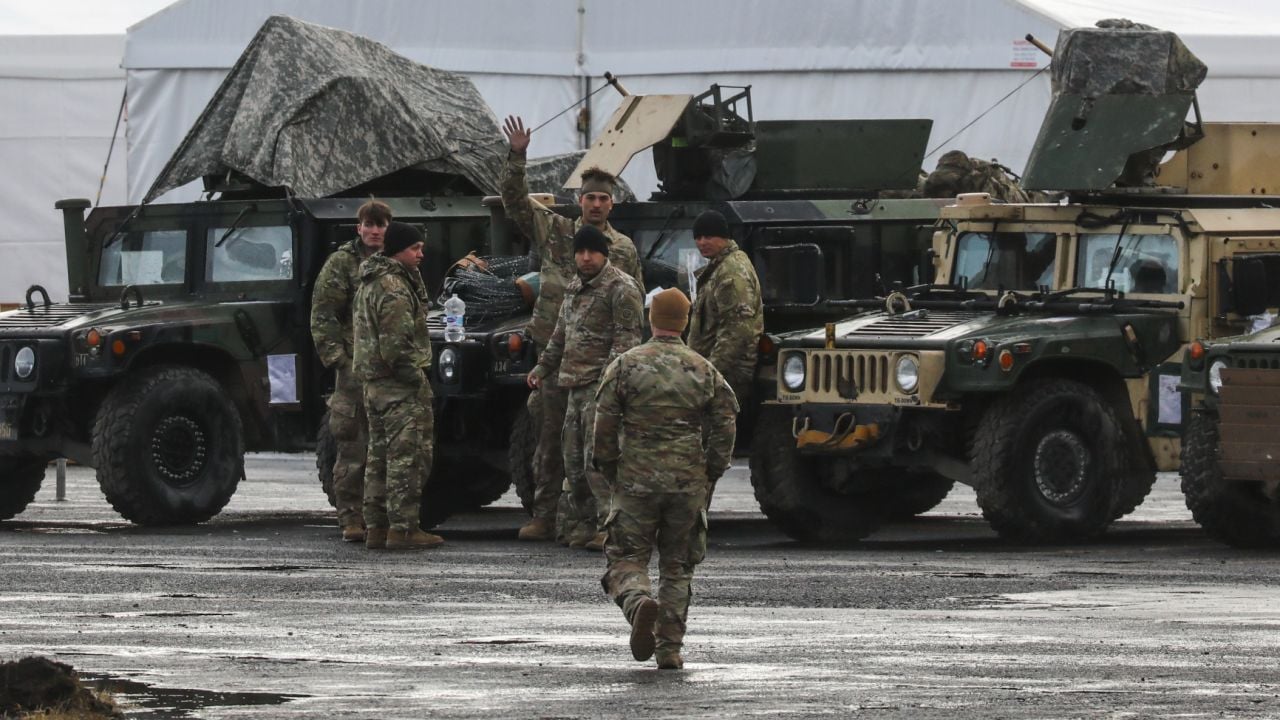
The United States maintains dozens of military installations throughout the Middle East, including major air bases in Qatar, Bahrain, Kuwait, Saudi Arabia, the United Arab Emirates and Jordan. These bases host thousands of American troops and serve as hubs for intelligence gathering, logistics, and military operations.
Iranian officials argue that these installations have been directly used to support Israeli military operations against Iran.
“If attacks on Iran originate from these facilities, Iran reserves the right to respond,” Mohajerani said.
This position reflects a long-standing Iranian strategic doctrine: that US bases across the region represent the most vulnerable points in Washington’s military architecture.
The doctrine is already shaping battlefield realities. Iranian missile and drone forces have launched retaliatory strikes across the region, targeting military installations believed to support US operations.
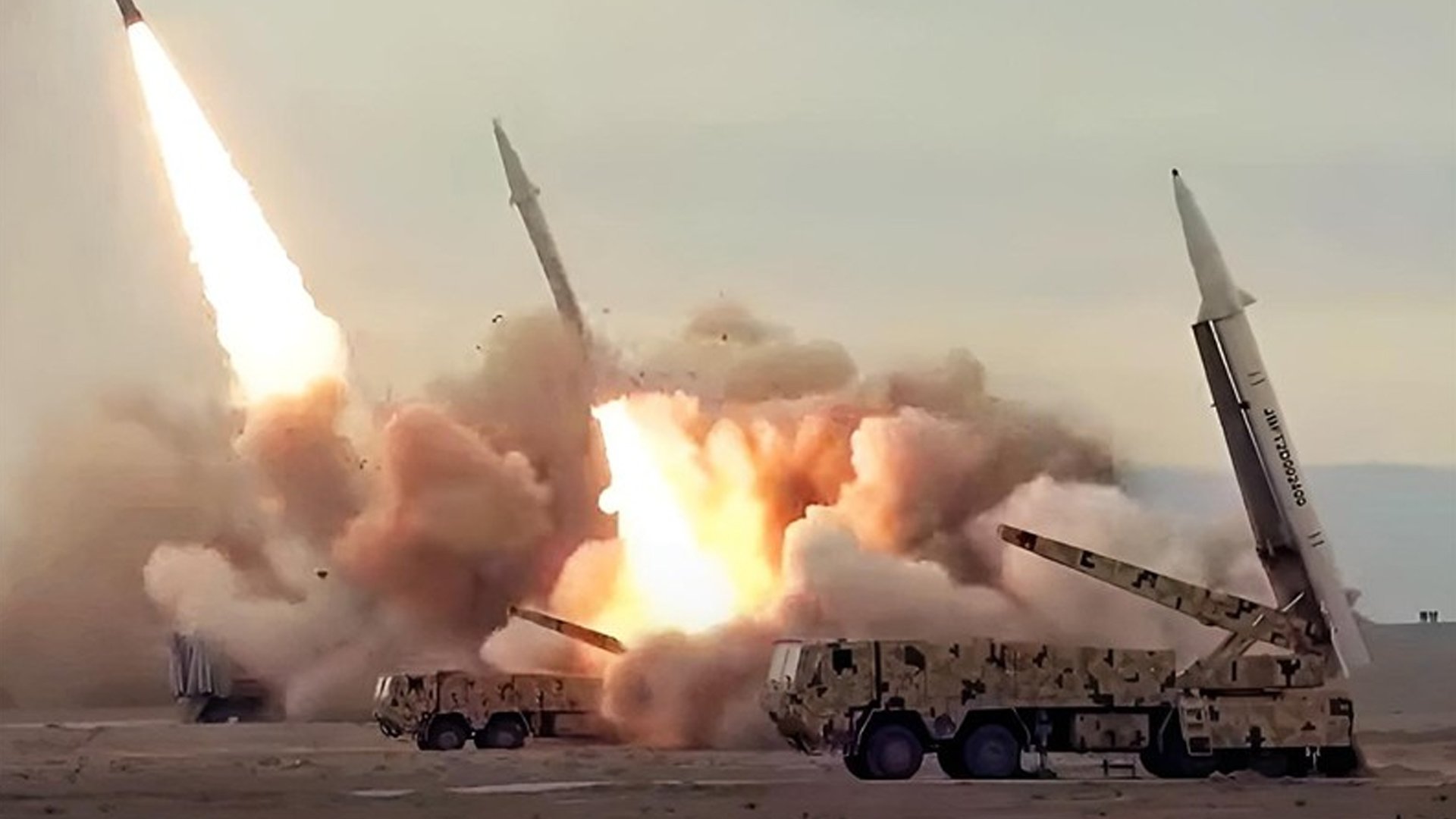
Elsewhere in the Gulf, Iranian forces reportedly carried out a large-scale drone strike on the US-run Al-Dhafra Air Base in the United Arab Emirates, a key American military facility used for air operations in the region.
The conflict has also expanded through allied movements across the region. Militias aligned with Tehran have stepped up their activities, targeting Israeli and US-linked infrastructure.
In the occupied Golan Heights, Hezbollah launched coordinated UAV operations in what analysts described as drone attacks on Israeli military installations in the Golan Heights, adding another front to the growing regional confrontation.
International analysts warn that the widening confrontation could quickly draw multiple countries into the war.
The Middle East already hosts a dense network of US bases and military partnerships. If those installations become consistent targets, the geographic boundaries of the conflict could expand dramatically.
Recent battlefield developments suggest that such escalation may already be underway. Iranian missiles and drones have crossed the airspace of several countries, forcing regional air defenses to intercept incoming projectiles.
Governments across the Gulf have expressed concern that their territories could become unintended battlefields between Iran, Israel and the United States.
Some regional officials have privately complained that Washington did not sufficiently warn allies before launching its coordinated strikes against Iran, leaving them exposed to retaliatory attacks.
Despite the rising tensions, Tehran insists that its military operations are not directed against neighboring countries.
“Iran’s defensive actions are not aimed at the states of the region,” Mohajerani said. “They are aimed at the forces that attack Iran from those bases.”
The distinction is central to Tehran’s diplomatic messaging as it attempts to reassure regional governments that it does not seek direct confrontation with them.
Still, the reality on the ground remains volatile. The war triggered by Israel’s attack on Iran has rapidly expanded into a multi-front confrontation stretching from the Mediterranean to the Persian Gulf.
International leaders have warned that continued escalation could destabilize the entire region. Analysts say the dense concentration of military bases, alliances and proxy forces means that even limited strikes can quickly spiral into wider conflict.
As missiles and drones continue to cross the skies of the Middle East, the war that began with Israel’s attack on Iran is increasingly reshaping the region’s strategic landscape.
For Tehran, however, the message remains clear: any military installation used to launch attacks on Iran, regardless of where it is located, will be considered part of the battlefield.
And in the rapidly expanding war now unfolding across the Middle East, that battlefield is growing larger by the day.