The Middle East conflict widened dramatically on Saturday after Iran claimed responsibility for a large-scale drone strike on a US-run air base in the United Arab Emirates, an escalation that follows Israel attacks Iran and the region braces for a broader confrontation.
Iran’s Islamic Revolutionary Guard Corps (IRGC) announced that its naval drone units launched what it described as a “massive attack” targeting the Al-Dhafra Air Base, a strategic installation used by US forces and coalition partners located south of Abu Dhabi.
In a statement released early Saturday in Tehran, the IRGC said the operation involved multiple drones striking key military infrastructure inside the base. According to the statement, the drones targeted critical facilities including a satellite communication center, early warning radar systems, fire control radars, and an air operations control center.
The attack represents one of the most direct strikes claimed by Iran against a US military installation in the Gulf in recent years and signals how rapidly the confrontation is spreading after Israeli strikes intensified regional tensions, with analysts warning of a regional war fears scenario.
Iran Frames Strike as Strategic Response
Iranian officials presented the drone assault as part of a broader response to the intensifying regional conflict. In its announcement, the IRGC said the strike was conducted by naval drone units operating in coordination with other Iranian military elements.
The statement emphasized that the drones successfully hit their designated targets within the base. Iranian authorities did not provide specific details about the number of drones launched or the extent of the damage inflicted on the facilities.
However, Iranian media outlets described the strike as a precision operation aimed at disrupting surveillance and command infrastructure believed to support US military activities across the Persian Gulf.
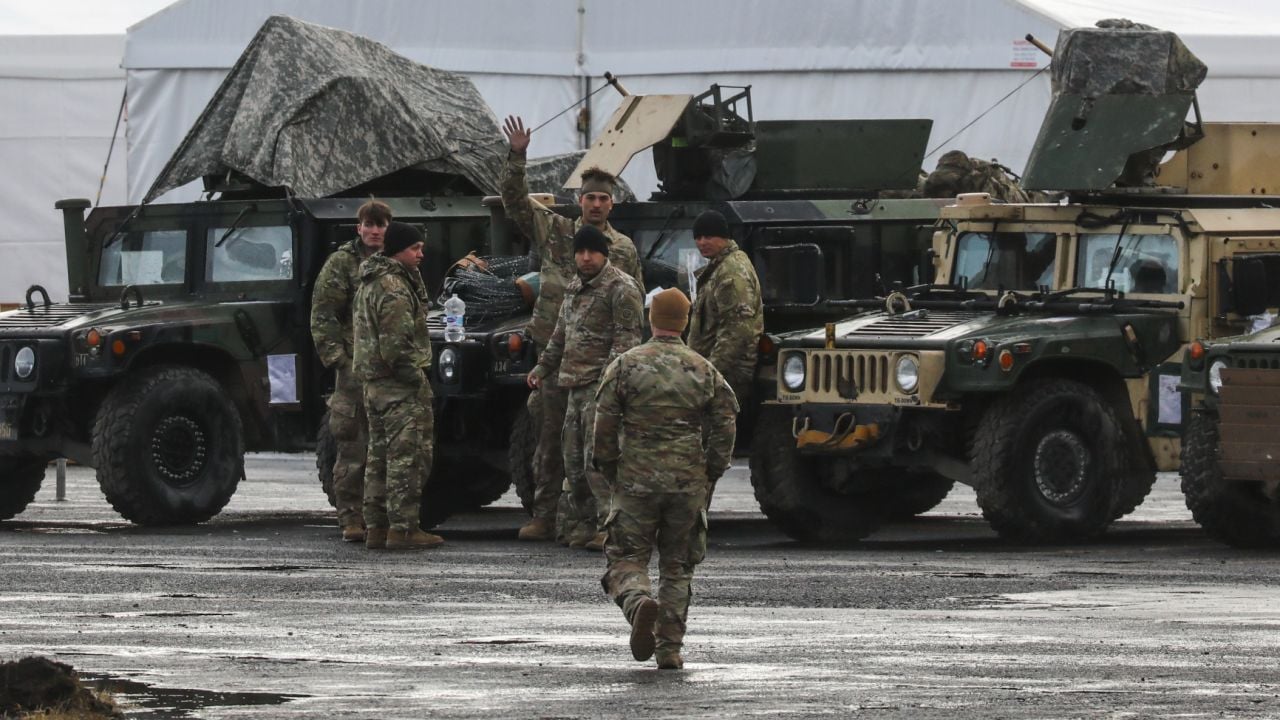
The Al-Dhafra Air Base is considered a key hub for American air attacks in the Middle East. It hosts US Air Force personnel, advanced surveillance aircraft, and combat platforms that operate throughout the Gulf region and beyond.
Military analysts say the installation also supports early warning systems and aerial intelligence networks that monitor activity across the Persian Gulf, the Strait of Hormuz, and surrounding territories.
If Iranian claims about the targeted systems are confirmed, the strike would represent an attempt to temporarily disrupt regional surveillance capabilities rather than simply damage physical infrastructure.
Regional War Expands After Israel Attacks Iran
The drone attack comes amid rapidly escalating hostilities following Israeli military strikes on Iranian targets, developments widely covered by international outlets including the Israel-Iran conflict reports tracking the rapidly evolving crisis.
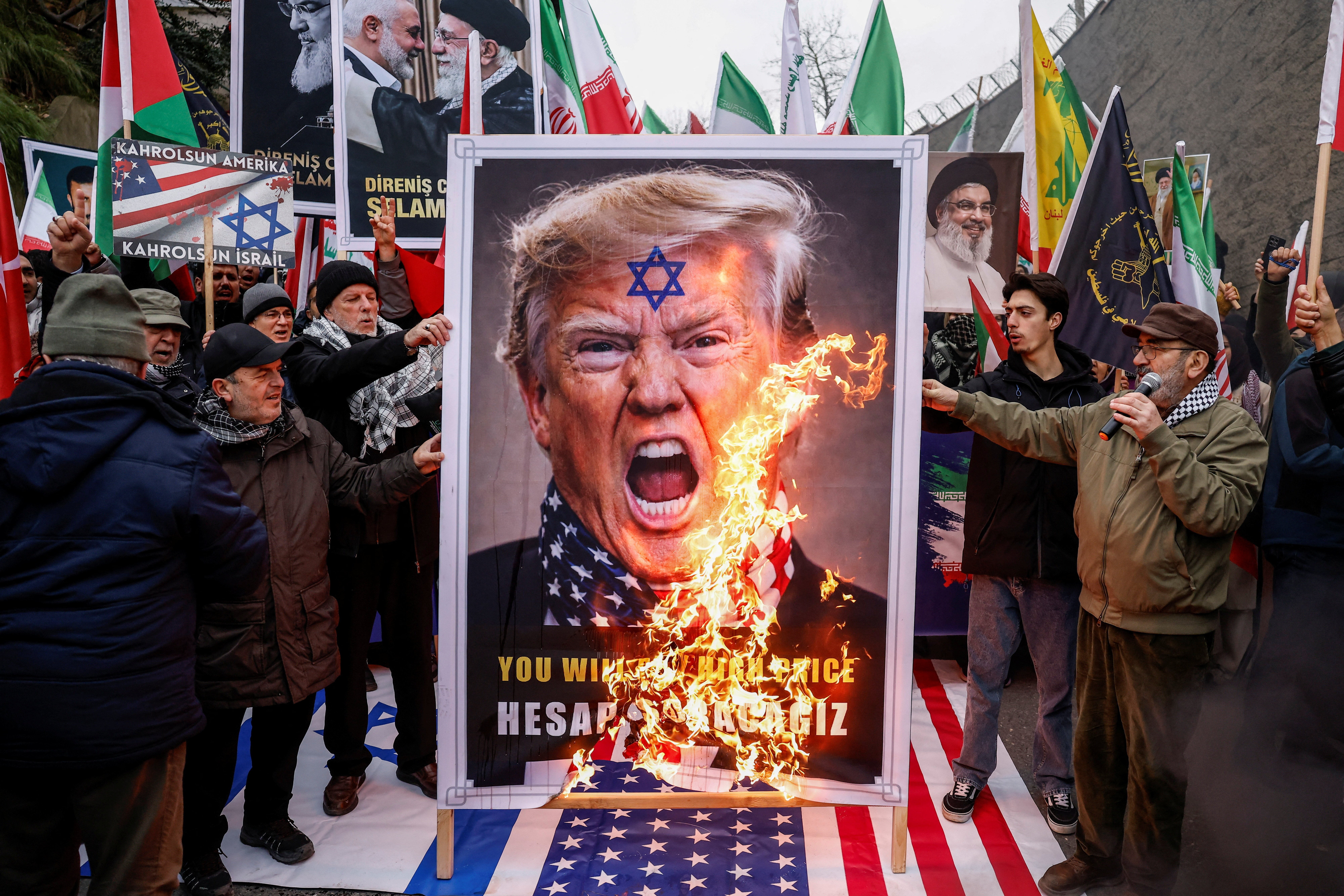
In recent days, tensions between Iran, Israel, and the United States have intensified as multiple fronts across the Middle East show signs of potential military confrontation.
Security analysts warn that the conflict risks drawing in additional regional actors, particularly as Gulf states host American military facilities that could become targets in a wider war scenario.
The United Arab Emirates has long served as a strategic partner for Washington, hosting several key military installations that support US attacks across the Middle East.
Al-Dhafra Air Base, in particular, plays a central role in American air power projection in the region. The base has historically hosted advanced aircraft including surveillance platforms, fighter jets, and aerial refueling tankers.
It is also believed to support intelligence gathering and monitoring missions that track missile launches, drone activity, and naval movements across the Gulf.
Strategic Importance of Al-Dhafra Air Base
Located roughly 32 kilometers south of Abu Dhabi, Al-Dhafra Air Base has served as one of the most important US military facilities in the Persian Gulf for decades.
The base hosts the United States Air Force’s 380th Air Expeditionary Wing and has historically supported coalition Attacks throughout the Middle East.
From Al-Dhafra, American aircraft conduct reconnaissance missions, aerial refueling Attacks, and surveillance flights that provide situational awareness across the region.
The facility also functions as a command and coordination hub for multinational military cooperation involving US allies in the Gulf.
Because of its advanced radar systems and satellite communication networks, the base forms part of the broader architecture designed to detect missile launches and aerial threats.
That makes it a highly sensitive target in any confrontation involving advanced drone or missile warfare.
Iran’s claim that the strike targeted early warning radar and command infrastructure suggests the operation may have been designed to test the resilience of those defensive systems.
Drone Warfare Increasingly Central to Regional Conflict
The use of drones in the attack highlights the growing role of unmanned aerial systems in Middle Eastern military strategy.
Over the past decade, Iran has invested heavily in developing long-range drone capabilities capable of striking targets hundreds of kilometers away.
Iranian drone technology has become a central element of Tehran’s military doctrine, allowing the country to conduct operations without deploying conventional aircraft.
Analysts say the strategy provides Iran with a relatively low-cost method to project power and challenge technologically advanced adversaries.
Drone swarms, in particular, are increasingly viewed as capable of overwhelming air defense systems if launched in large numbers.
The IRGC statement describing the strike as a “massive attack” suggests that multiple drones may have been used simultaneously in an attempt to penetrate defensive systems around the base.
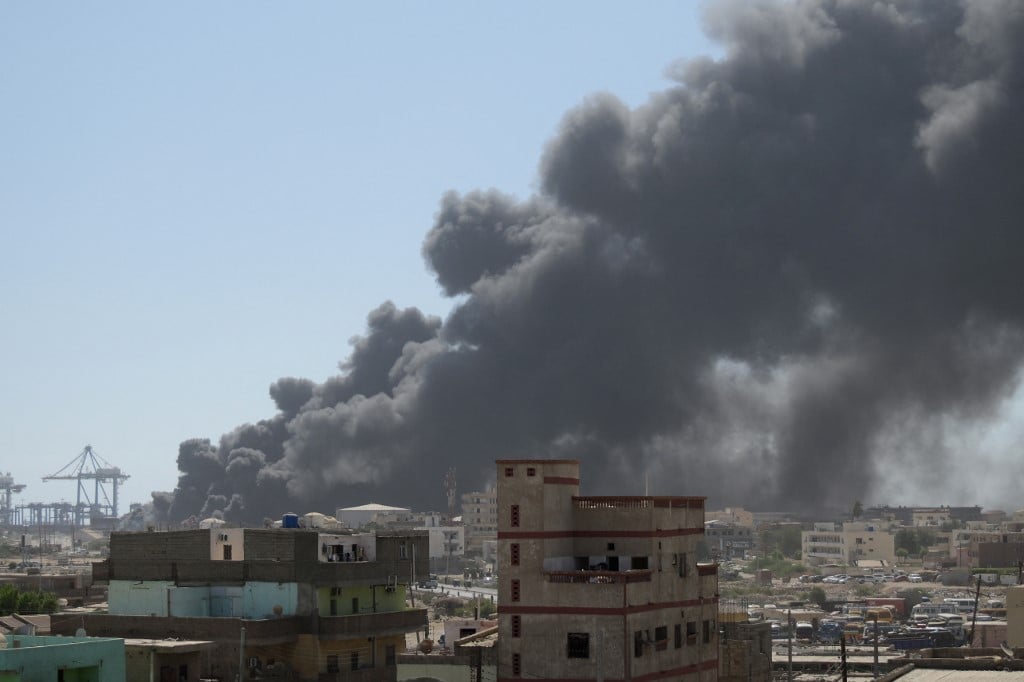
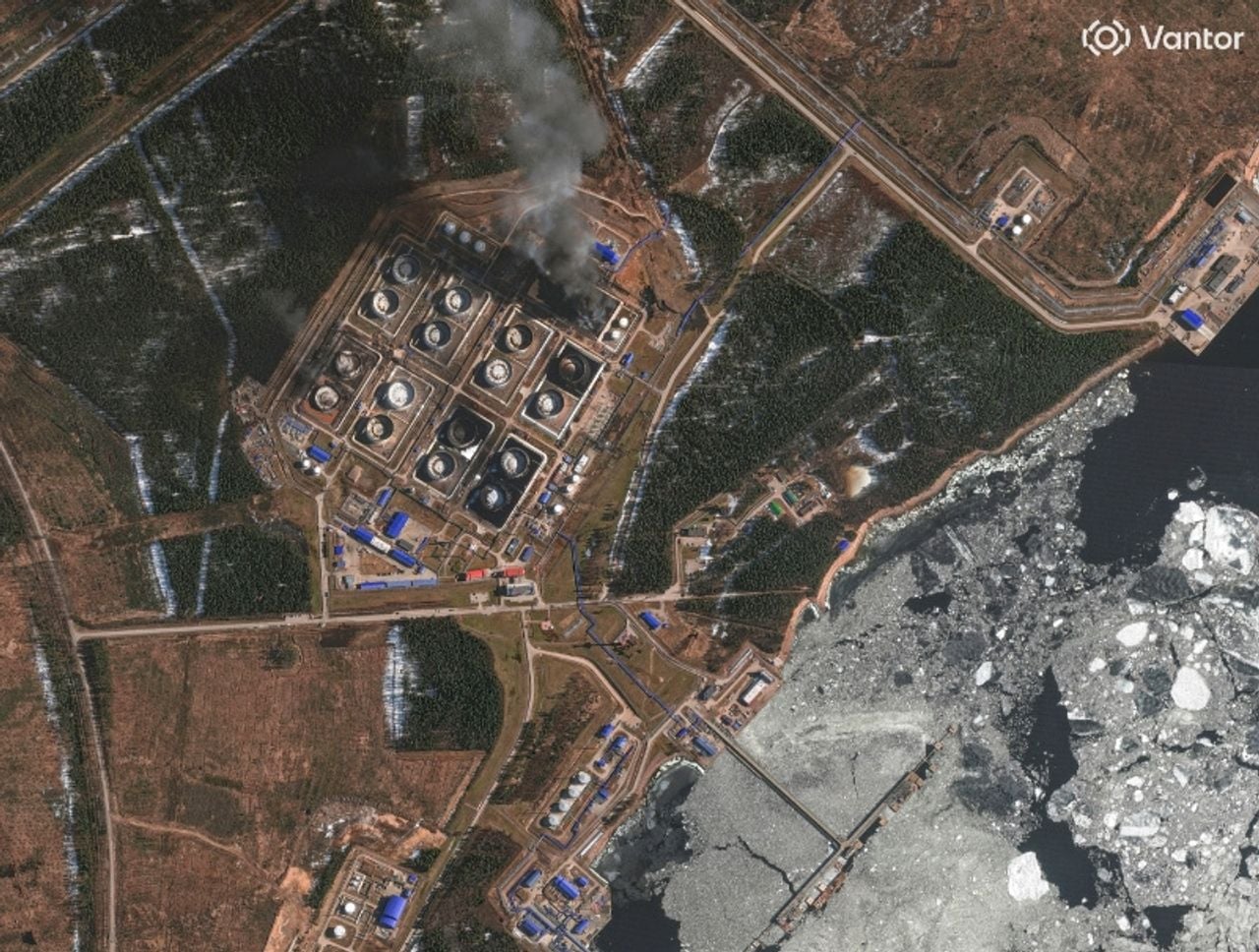
In recent conflicts across the region, drones have proven capable of targeting oil infrastructure, military bases, and shipping routes with increasing accuracy.
Growing Pressure on US Military Presence
The strike also comes as resistance groups across the region increase pressure on American forces stationed in the Middle East. Earlier reports described how Iraqi resistance strikes US base near Baghdad amid the widening confrontation.
At the same time, geopolitical tensions have spilled into diplomatic arenas. Recent developments involving Washington’s regional strategy include cases where US pressures Sri Lanka in disputes linked to the ongoing confrontation with Iran.
Meanwhile, reports from regional security analysts highlight the growing use of advanced military technologies, with concerns that the conflict could involve US using World War III weapons as tensions escalate.
Global Powers Monitoring Escalation
Major world powers are closely monitoring developments as the crisis unfolds. Diplomatic channels in several capitals are reportedly working to prevent the situation from spiraling into a full-scale regional war.
International media reports indicate that the confrontation could deepen rapidly if further strikes occur, with some analyses noting that the war enters second week with increasing risks of direct clashes between regional powers.
Recent geopolitical developments have also highlighted the possibility of new alliances emerging around the crisis. Reports previously noted unusual military movements including Chinese Y-20 cargo planes appearing near Iran during the early stages of the conflict.
Some analysts argue that Iran views its actions as legally justified retaliation, echoing arguments raised in discussions of Iran attack Israel as per international law in earlier confrontations.
The broader strategic environment has also been shaped by ongoing US military Attacks in the region, including earlier actions such as US strikes in eastern Syria, which analysts say contribute to the fragile security landscape.
Uncertain Aftermath
For now, the extent of the damage at Al-Dhafra Air Base remains unclear. Neither US officials nor authorities in the United Arab Emirates have released detailed assessments of the alleged drone strike.
But the claim by Iran’s Revolutionary Guard that it successfully targeted a major US military installation underscores how fragile the regional security landscape has become.
As tensions continue to rise following Israel attacks Iran, governments across the Middle East and beyond are bracing for the possibility that the confrontation could expand further in the days ahead.