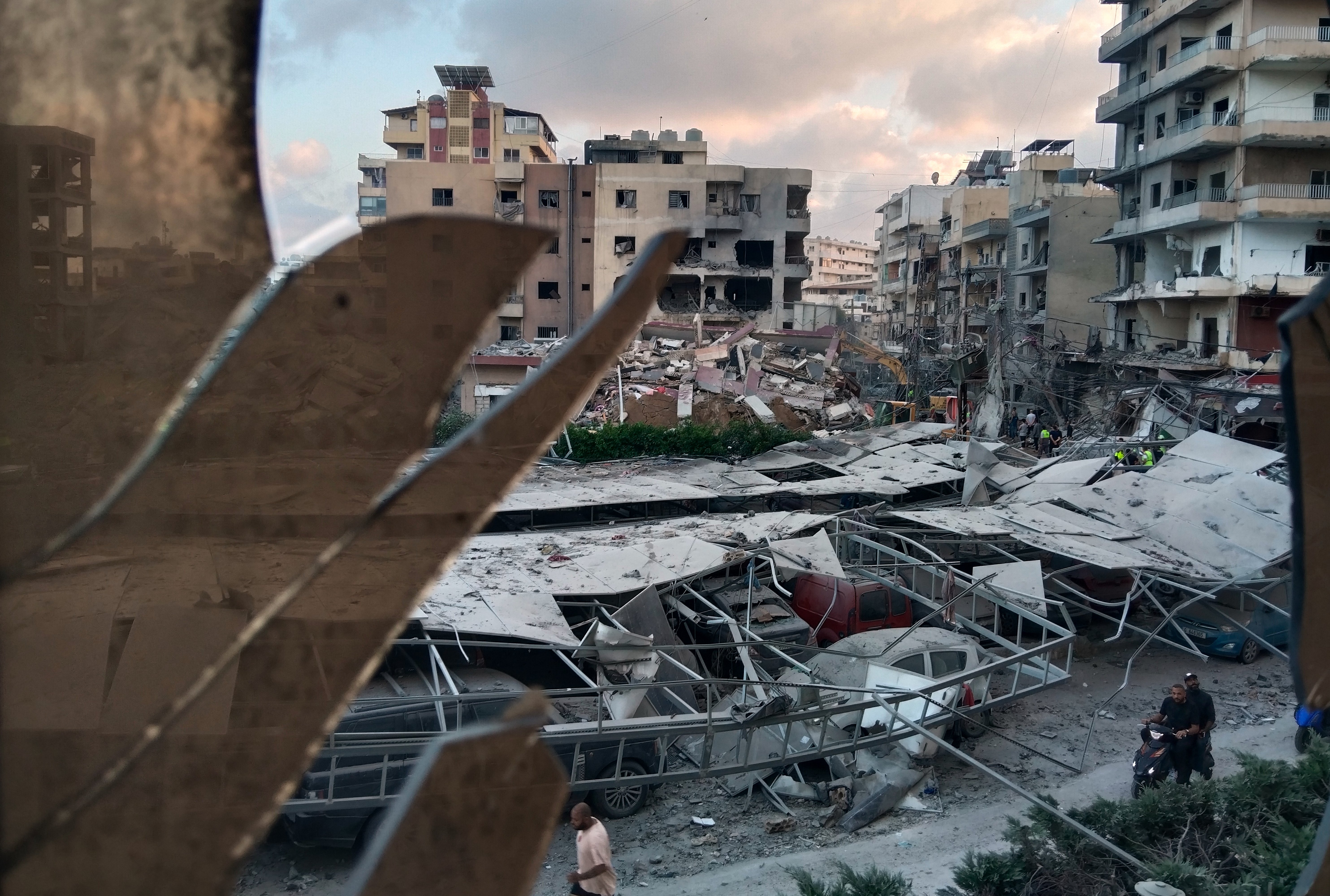
In the crowded hospital wards of the Gaza Strip, doctors are confronting a grim reality. Patients who once hoped to leave the territory for life-saving treatment abroad are now trapped behind closed borders. The closure of the Rafah crossing, the only gateway from Gaza into Egypt, has halted medical evacuations and stranded thousands of critically ill people whose survival depends on specialized care unavailable inside the besieged enclave.
The shutdown has intensified what many humanitarian organizations already describe as the Gaza genocide, with the latest restrictions cutting off one of the few remaining lifelines for Palestinians seeking urgent medical help.
For families waiting outside hospitals or in temporary shelters across Gaza, the closure has extinguished what little hope remained after months of war, siege, and the collapse of the territory’s healthcare system.
Thousands stranded without treatment
Health officials estimate that tens of thousands of patients are currently waiting for permission to leave Gaza for treatment outside the territory. Reports indicate that more than 20,000 patients require urgent evacuation to hospitals abroad as Gaza’s medical infrastructure struggles to cope with the scale of injuries and chronic illness.
The Rafah crossing closure leaves Gaza patients trapped without treatment, cutting off the primary route through which critically ill Palestinians had been transported to hospitals in Egypt and other countries.
Earlier in 2026, the crossing briefly reopened as part of fragile ceasefire arrangements, allowing a limited number of patients to travel abroad for medical care. But that window of hope quickly vanished as renewed hostilities and security measures once again sealed the crossing.

Hospitals overwhelmed as healthcare collapses
The crisis is unfolding against the backdrop of a rapidly deteriorating healthcare system. Gaza’s hospitals, already strained after years of blockade and repeated military operations, are now struggling to function with limited electricity, dwindling medical supplies, and overwhelmed staff.
Human rights groups warn that the conflict has devastated the territory’s medical infrastructure and left patients with few options for treatment. Reports describing how Israel denies women conditions to live in Gaza have highlighted the severe impact on maternal healthcare and essential services.
Doctors say cancer patients are among the most vulnerable. Radiotherapy machines are largely unavailable, chemotherapy drugs are scarce, and specialized surgical procedures cannot be performed inside Gaza.
Without the ability to travel abroad, physicians warn that many patients will die waiting for treatment that exists only beyond the sealed borders of the enclave.
The Rafah crossing and Gaza’s isolation
The Rafah crossing has long served as Gaza’s most critical connection to the outside world. Located along the southern border with Egypt, it is the only crossing not directly controlled by Israel and has historically functioned as the main route for Palestinians seeking medical care, education, or travel abroad.
When the crossing closes, Gaza’s isolation deepens dramatically. Thousands of people who require urgent medical procedures, advanced cancer therapies, or complex surgeries find themselves trapped inside a territory whose hospitals cannot meet their needs.
Previous humanitarian assessments have warned that repeated closures of Rafah have already prevented thousands of medical evacuations, leaving patients in life-threatening conditions without access to specialized care abroad. According to medical officials, the shutdown of Rafah can stop dozens of daily patient transfers that once served as a lifeline for critically ill civilians.
War intensifies Gaza’s humanitarian crisis
The closure comes amid a broader escalation in the region that has intensified Gaza’s already severe humanitarian crisis.
Border closures have worsened shortages of food, medicine, and fuel, while rising prices have made basic necessities increasingly inaccessible to displaced families. Aid agencies warn that the territory faces the risk of famine if humanitarian access continues to be restricted.
The situation is further compounded by long-standing blockade policies and military operations that have repeatedly damaged infrastructure and limited the flow of essential supplies.
Previous investigations into the blockade have documented how policies described as deliberate starvation in Gaza have contributed to widespread shortages of food and medicine.
Meanwhile, ongoing military operations across the enclave continue to generate new waves of wounded civilians who require urgent care in hospitals already operating beyond capacity.
Families waiting for the crossing to reopen
Across Gaza, families wait anxiously for the Rafah crossing to reopen.
Parents sit beside hospital beds while doctors explain that the treatments their children need are simply not available inside the territory.
Some families have already spent months waiting for permission to leave Gaza for surgery, chemotherapy, or specialized pediatric care. Others have watched loved ones deteriorate while the crossing remains closed.
Medical staff say the psychological toll is enormous.
“We are forced to tell families that the treatment their children need exists only outside Gaza,” one doctor said. “But without the crossing open, we cannot send them anywhere.”
An uncertain future
The international community has repeatedly called for humanitarian corridors that would allow patients to leave Gaza for treatment and enable aid deliveries to reach the enclave.
Yet diplomatic efforts have produced limited results.
Even when crossings reopen temporarily, strict restrictions and security reviews drastically limit the number of patients who can travel. Reports have shown that only a handful of critically ill patients sometimes manage to leave each day despite thousands waiting for evacuation.
For Gaza’s civilians, the uncertainty surrounding Rafah has become a symbol of the broader humanitarian crisis engulfing the territory.
A lifeline that remains closed
For now, the gates of Rafah remain shut.
Inside Gaza’s overcrowded hospitals, doctors continue to treat patients with limited resources while families cling to the hope that the crossing will reopen before it is too late.
Until that happens, thousands of critically ill Palestinians remain trapped inside a territory where the difference between life and death may depend on a single border crossing that remains firmly closed.