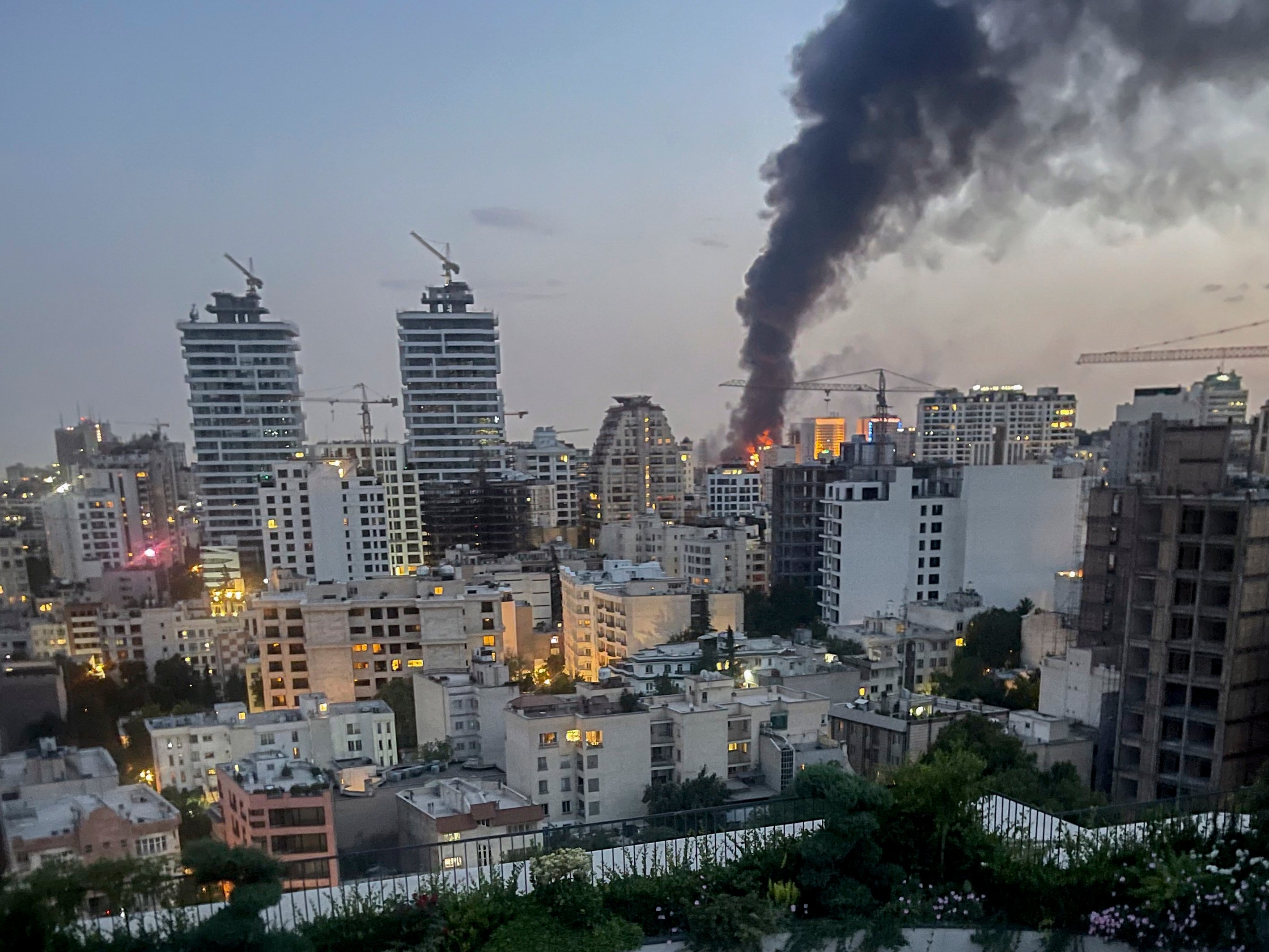
The Middle East conflict intensified dramatically this week as Israel attacks Iran across multiple cities, while Tehran warned that the vital Strait of Hormuz shipping corridor would remain “open but closed to enemies,” signaling a potentially transformative moment for global energy markets and regional security.
The war, which began after a joint US-Israeli strike campaign late last month, has now expanded across several fronts, drawing in regional actors, threatening international shipping lanes, and raising fears of a wider confrontation across the Gulf. Recent international reporting confirms that Israeli strikes on Iranian territory triggered retaliatory drone and missile attacks across the region, deepening one of the most dangerous Middle East crises in decades.
Israel Attacks Iran With Strikes Across Major Cities
Israeli forces have continued large-scale military operations inside Iran, targeting infrastructure linked to Iran’s military and security apparatus in cities including Tehran, Hamadan and Isfahan. Iranian authorities say the strikes have caused widespread damage to civilian areas and critical infrastructure.
According to emergency officials in Tehran, the toll from the ongoing assault continues to rise. US and Israeli strikes have already left hundreds dead and thousands injured in Tehran, underscoring the scale of destruction as the conflict intensifies.
Israeli military leaders say the campaign is designed to degrade Iran’s missile capabilities and security infrastructure. Officials have also indicated that the operation could continue for several weeks as Israel expands its list of strategic targets across Iranian territory.
Iran Responds With Missile and Drone Retaliation
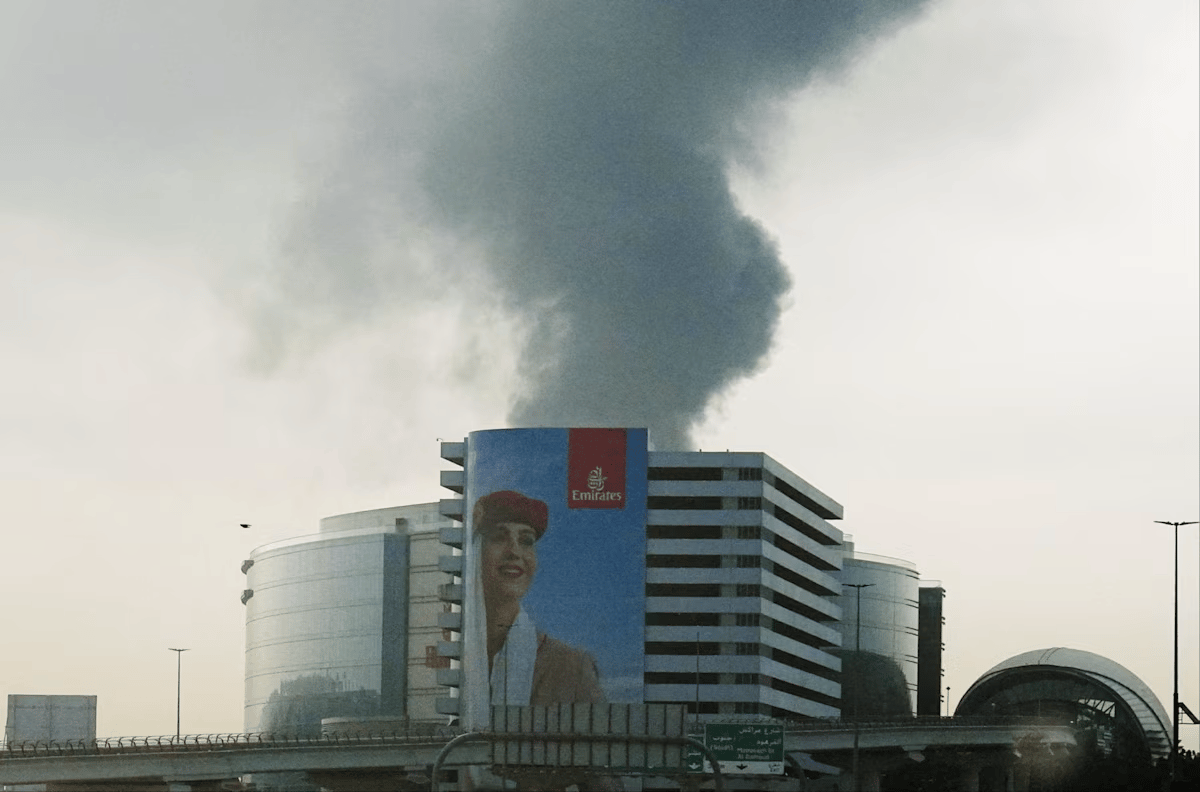
Iran has responded with waves of missile and drone attacks targeting Israeli cities and military infrastructure. Explosions have been reported in several areas across Israel as air defense systems attempt to intercept incoming projectiles.
The confrontation has also spread beyond the two countries. Iranian-aligned forces across the region have launched attacks on positions linked to Israel and its allies, raising fears that the conflict could expand into a broader regional war.
According to regional reporting, the exchange of strikes has already disrupted transportation routes and regional infrastructure. Air routes and supply chains across the Middle East have been affected, illustrating how quickly the war is spilling into global logistics networks.
Strait of Hormuz Emerges as Strategic Flashpoint
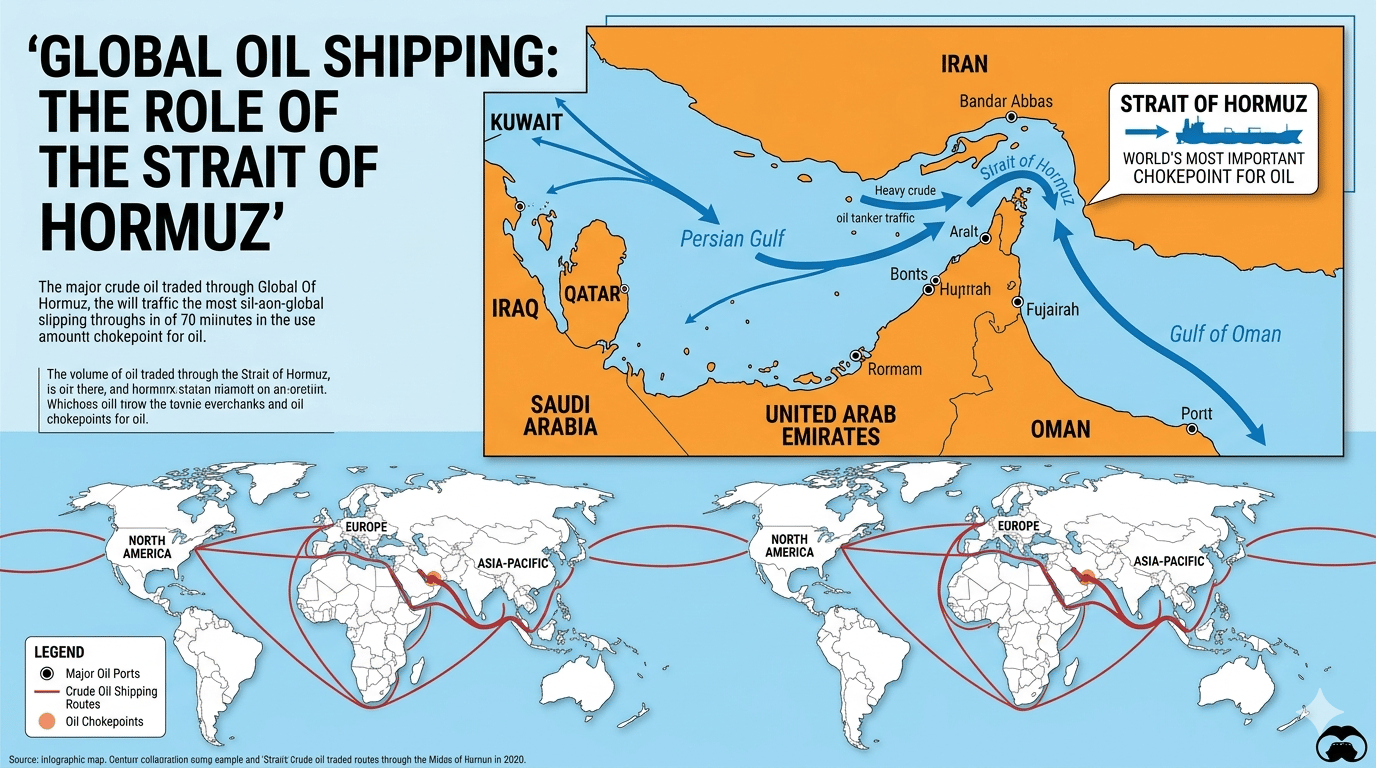
At the center of the crisis lies the Strait of Hormuz, the narrow maritime passage connecting the Persian Gulf to the Arabian Sea. The waterway carries roughly one-fifth of global oil shipments, making it one of the most strategically important shipping lanes in the world.
Tehran has warned that while the strait remains open to international shipping, vessels connected to countries involved in attacks on Iran may not be permitted to pass.
Iran has already declared that the Strait of Hormuz is effectively closed to the United States, Israel and their allies, signaling a selective maritime blockade strategy designed to pressure countries participating in the war.
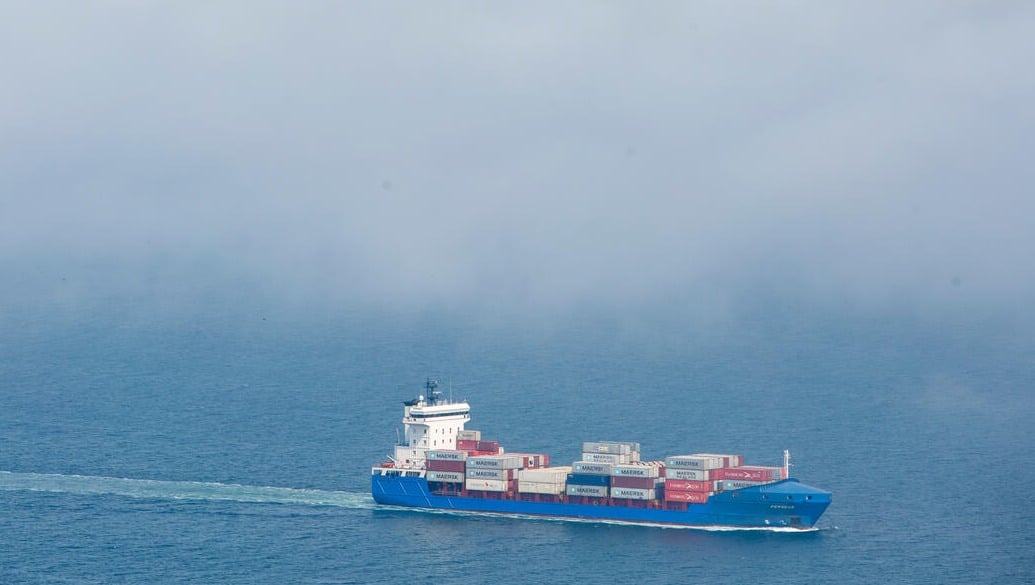
As a result, maritime traffic through the waterway has slowed dramatically, with dozens of tankers and cargo vessels waiting near the entrance to the corridor.
Oil Markets and Global Energy Security at Risk
The conflict has already shaken global oil markets, with prices rising sharply as traders reacted to the risk of shipping disruptions in the Gulf.
Energy analysts say that any sustained interruption to the Strait of Hormuz could lead to severe supply shortages, particularly for countries heavily dependent on Gulf oil imports.
Governments and energy agencies have begun preparing contingency plans. According to international energy authorities, emergency oil reserves could be released if supply disruptions worsen.
The International Energy Agency has already signaled the possibility of releasing emergency stockpiles to stabilize markets if the war continues to disrupt energy flows.
Global Powers Divided Over Military Response
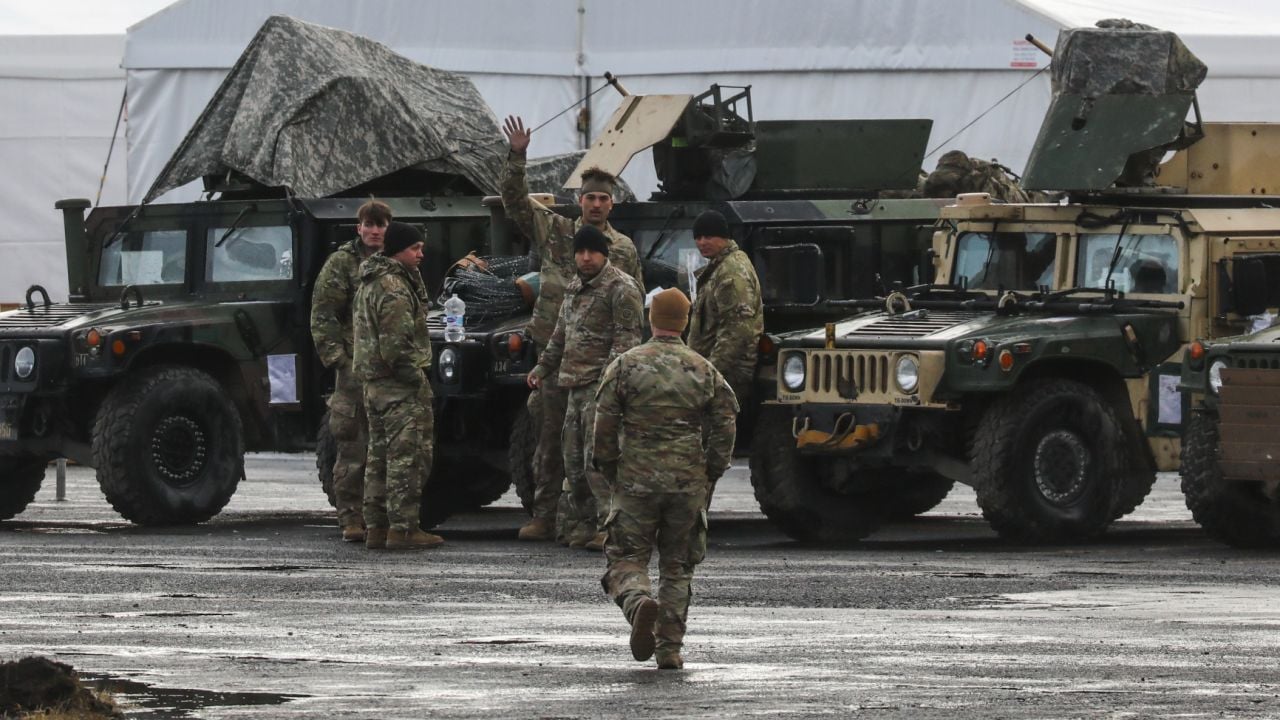
As the conflict expands, the United States has urged allied countries to help secure shipping routes through the Strait of Hormuz.
However, several governments have expressed reluctance to join military operations that could further escalate the confrontation.
Germany and Norway have already rejected calls to join the US-Israeli military campaign, warning that expanding the war could destabilize global markets and trigger wider conflict.
The widening battlefield has also forced Gulf countries to reassess their security arrangements. Several Gulf states are questioning the reliability of US security guarantees as missile strikes and drone attacks spread across the region.
India and Other Nations Seek Safe Passage Through Hormuz
Despite the rising tensions, some countries are attempting to maintain commercial shipping through the strait through diplomatic channels.
Iran has signaled that Indian oil tankers may continue receiving safe passage through the Strait of Hormuz, highlighting Tehran’s strategy of selectively allowing neutral countries to transit the corridor.
Diplomatic engagement between Tehran and several Asian governments has become critical for maintaining global energy flows during the conflict.
Political Fallout and Escalating Intelligence War
The war has also triggered a broader intelligence confrontation between Iran and Western governments.
Washington has reportedly offered financial rewards for intelligence related to Iran’s leadership, signaling an intensifying effort to track the country’s decision-making structure during the conflict.
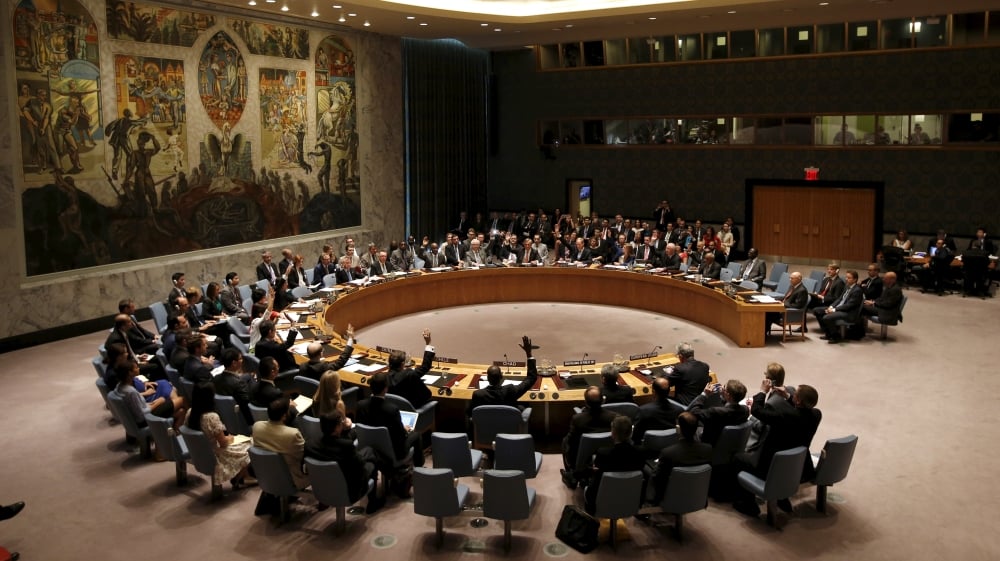
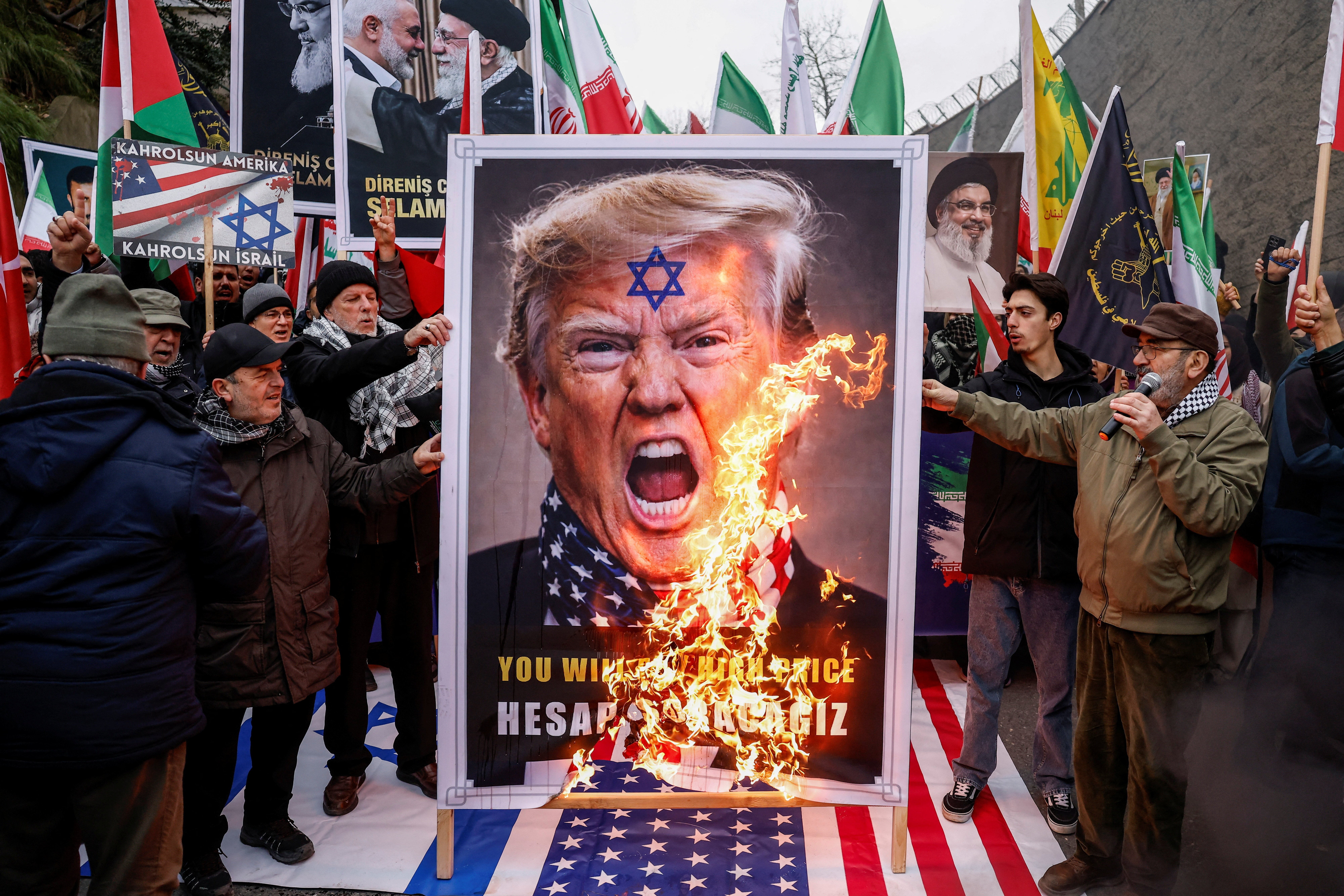
Meanwhile, diplomatic tensions at the United Nations continue to grow. Russian officials have argued that Iran’s right to defend its sovereignty is being ignored amid the escalating confrontation.
Russia’s UN envoy has stated that Iran has the same fundamental right to security as any other nation, criticizing what Moscow views as selective interpretations of international law.
A War With No Immediate End in Sight
As the conflict enters another week, there are few signs that the fighting will subside soon.
Israeli officials say military operations inside Iran will continue, while Tehran insists it will respond to any further attacks.
Analysts warn that the confrontation now extends far beyond a bilateral conflict. With missile strikes, drone warfare, naval tensions and global energy disruptions unfolding simultaneously, the war triggered when Israel attacks Iran has evolved into one of the most consequential geopolitical crises in recent years.
For governments, markets and millions of civilians across the Middle East, the central question is no longer whether the war will continue, but how far it will spread.