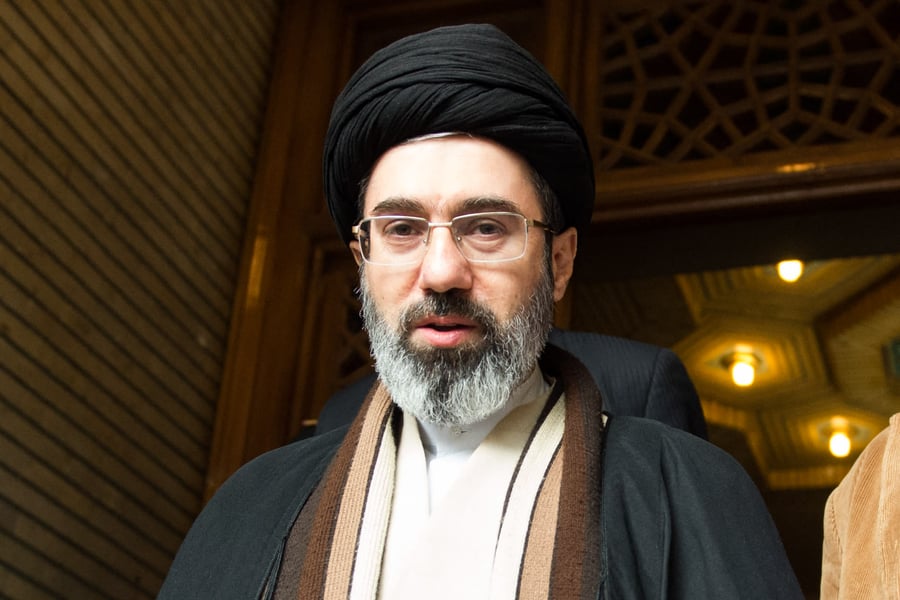

As the war between Iran, Israel and the United States enters a dangerous new phase, Western intelligence agencies are intensifying efforts to locate and track Iran’s newly appointed Supreme Leader, Ayatollah Mojtaba Khamenei.
Washington has announced a reward of up to $10 million for information about Khamenei and several senior Iranian officials, signaling that the search for Tehran’s leadership has become a central objective in the expanding conflict.
According to reports, the US State Department’s Rewards for Justice program is offering the bounty for credible information about the whereabouts of senior Iranian leaders and officials linked to the Islamic Revolutionary Guard Corps.
Recent reporting confirms that Washington offering a $10 million reward for information on Iran’s leadership reflects an intensifying intelligence campaign aimed at tracking the country’s decision-making structure during the war.
Leadership Targeted After Escalation
The dramatic escalation began in late February when Israeli forces launched large-scale strikes across Iranian territory, igniting a regional war that has since spread across the Middle East.
The war that erupted after Israel attacks Iran has reshaped the geopolitical landscape of the region, triggering retaliation from Tehran and raising fears of a broader confrontation involving US forces and regional allies.
During the opening phase of the conflict, Iranian authorities confirmed that longtime Supreme Leader Ayatollah Ali Khamenei was killed in strikes targeting leadership compounds in Tehran. Soon after, Iran’s Assembly of Experts appointed his son Mojtaba as the country’s new supreme leader.
According to International coverage of Iran’s new supreme leader Mojtaba Khamenei suggests the leadership transition signals a continuation of Tehran’s hard-line stance against Western pressure and Israeli military actions.
Since taking power, Mojtaba Khamenei has remained largely out of public view, fueling speculation about his location and security arrangements as intelligence agencies attempt to determine where Iran’s top leadership is operating.
Regional War Expands
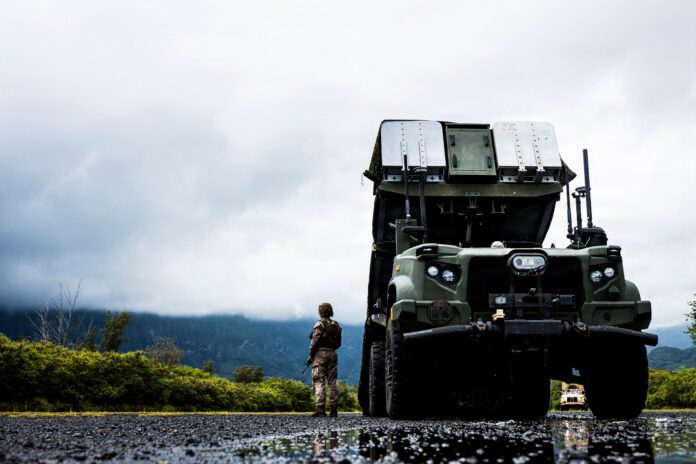
The confrontation has quickly spread beyond Iran and Israel, drawing US military assets across the Middle East deeper into the conflict.
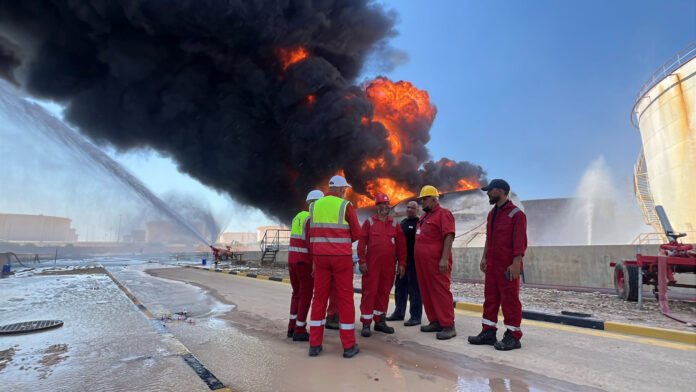
In the days following the initial strikes, Iranian forces reportedly launched missile and drone operations against American installations in the Gulf. Reports indicated that Iran struck US bases across the Gulf, including sites used by American troops in Bahrain and the United Arab Emirates.
Iranian officials have repeatedly warned that countries hosting US military infrastructure could become targets if those facilities are used in attacks against Iranian territory.

Evacuations and Political Fallout
The widening war has triggered emergency security measures across the region.
Amid rising fears of retaliation, US diplomats ordered to leave Saudi Arabia as the security environment deteriorated following the outbreak of the conflict.
The war has also generated controversy inside the United States itself.
Critics in Washington claim the administration may be withholding information about battlefield casualties, with some analysts pointing to reports that critics accuse Washington of hiding US soldier deaths linked to the escalating regional confrontation.
Iran Consolidates Leadership
Inside Iran, the country’s powerful security apparatus has moved quickly to demonstrate unity following the leadership transition.
Iran’s Revolutionary Guard has publicly pledged allegiance to the new leadership, reinforcing the authority of Mojtaba Khamenei as Iran’s political and military command structure reorganizes during wartime.
Analysts say this rapid consolidation of power suggests Tehran is preparing for a prolonged confrontation with Israel and its allies.
Intelligence War Intensifies
Beyond conventional military operations, the conflict has increasingly evolved into an intelligence battle.
US and Israeli agencies are believed to be using satellite surveillance, cyber intelligence and regional intelligence networks to track the movements of Iran’s top leadership.
Officials say the bounty program reflects Washington’s growing effort to gather human intelligence about the locations and activities of Iran’s leadership circle.
Reports also indicate that the reward could include relocation assistance for individuals who provide credible information about Iranian officials.
Meanwhile, analysts warn that the escalating war between Iran, Israel and the United States could destabilize global energy markets and widen into a broader regional conflict.
As the conflict intensifies, the hunt for Iran’s leadership has become one of the most significant intelligence operations linked to the war that began when Israel attacks Iran.
Whether the conflict escalates further or shifts toward diplomacy may depend on decisions made in the coming weeks by leaders in Tehran, Washington and Tel Aviv.