
BERLIN/MOSCOW — As the Middle East slides deeper into a dangerous confrontation following the dramatic escalation triggered when Israel attacks Iran, key European powers are signaling that they have little appetite for joining Washington’s widening military campaign. Germany and Norway on Friday publicly distanced themselves from the United States and Israel, declaring they have no plans to participate in military operations linked to the conflict.
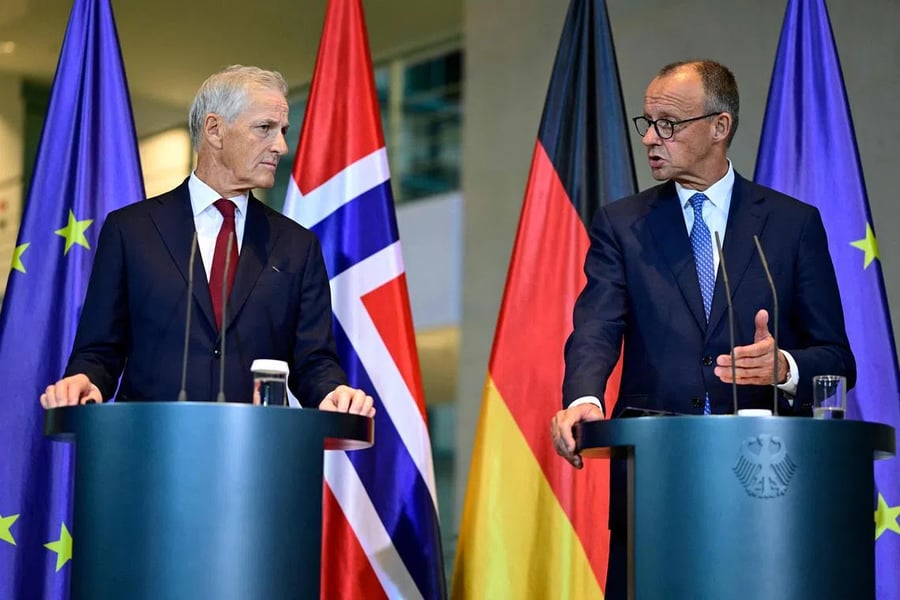
Speaking at a joint press conference in Berlin, German Chancellor Friedrich Merz and Norwegian Prime Minister Jonas Gahr Store emphasized that their governments would focus on diplomacy and economic stability rather than military involvement. Their remarks highlight growing unease within parts of Europe about the strategic consequences of the US-Israeli military operation and the rapidly spreading ripple effects across global energy markets and maritime trade.
“Germany is not part of this war, and we have no intention of joining,” Merz said, making Berlin’s position unusually clear at a moment when Washington has been seeking international backing for its campaign. “All our efforts are aimed at ending the war. This is precisely what we are discussing with both the US and Israeli governments.”
The statements reflect an increasingly visible divide between Washington’s military posture and the more cautious approach favored by several European governments, which fear that a prolonged conflict could destabilize the entire Middle East while severely damaging the global economy.
Escalation After Israel Attacks Iran
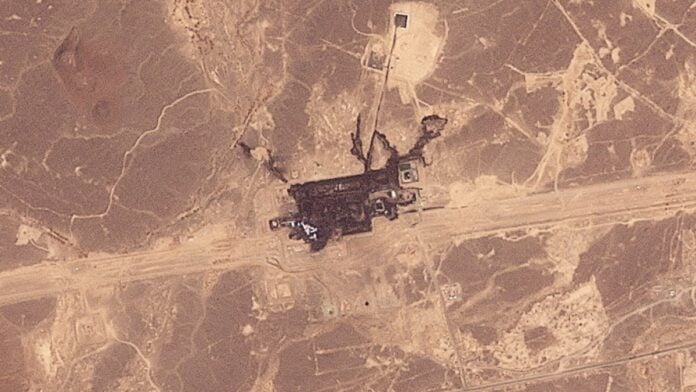
The conflict dramatically intensified on February 28 when the United States and Israel launched strikes on Iranian targets, including sites in and around Tehran. The operation marked one of the most significant direct confrontations between Iran and the US-Israeli alliance in decades.
Officials in Washington and Tel Aviv initially framed the strikes as a “preemptive” operation aimed at countering what they described as a growing threat linked to Iran’s nuclear program. Yet within days, political messaging from Western capitals shifted, with some officials openly suggesting that the broader objective was to weaken Iran’s leadership and force a political transformation inside the Islamic Republic.
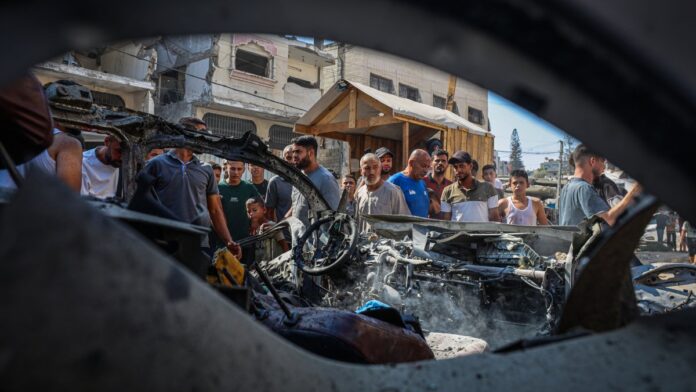
The first hours of the operation produced a shockwave across the region. Iranian infrastructure sites were damaged, and reports quickly emerged of civilian casualties. Among the most consequential developments was the assassination of Iran’s Supreme Leader, Ayatollah Ali Khamenei, who was killed during the opening phase of the strikes.
Tehran declared a 40-day national mourning period and vowed retaliation against those responsible. Iran soon launched retaliatory attacks on Israeli territory and US military facilities in the Middle East, raising fears that the confrontation could evolve into a broader regional war involving multiple states.
Europe’s Strategic Calculations
Against this volatile backdrop, Germany and Norway appear determined to avoid being drawn directly into the conflict. Both countries maintain close alliances with the United States through NATO, yet their leaders signaled that the military operation against Iran has not generated the consensus that Washington might have hoped for among Western partners.
Merz stressed that the war risks producing enormous economic consequences for Europe, particularly in the energy sector. Germany, already dealing with fragile supply chains and the lingering economic shocks of recent geopolitical crises, is acutely sensitive to disruptions affecting oil and gas flows from the Middle East.
“This conflict does not serve anyone,” Merz said. “On the contrary, it is harming many economically.”
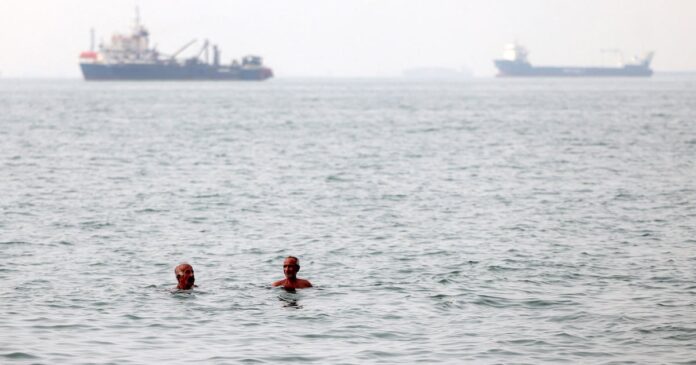
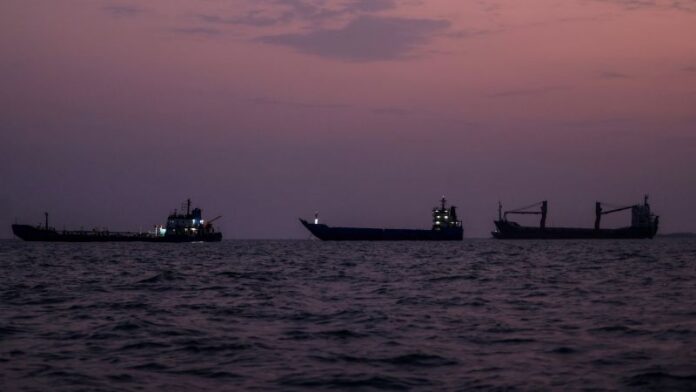
His comments referred directly to the growing crisis around the Strait of Hormuz, the narrow maritime corridor through which a large share of the world’s oil exports pass. Any prolonged disruption in the waterway could have far-reaching implications for global energy markets, shipping insurance rates, and international trade.
The German chancellor warned that the effective closure or severe restriction of shipping through the Strait of Hormuz would pose a direct threat to Europe’s energy security.
Shipping Concerns in the Persian Gulf
Norwegian Prime Minister Jonas Gahr Store echoed these concerns, noting that Norway’s powerful maritime sector is already feeling the effects of the worsening security situation in the Persian Gulf.
Norway operates one of the world’s largest commercial shipping fleets, and its vessels frequently transit energy routes connecting the Middle East with global markets. Any deterioration in maritime security could therefore hit Norwegian shipping companies particularly hard.
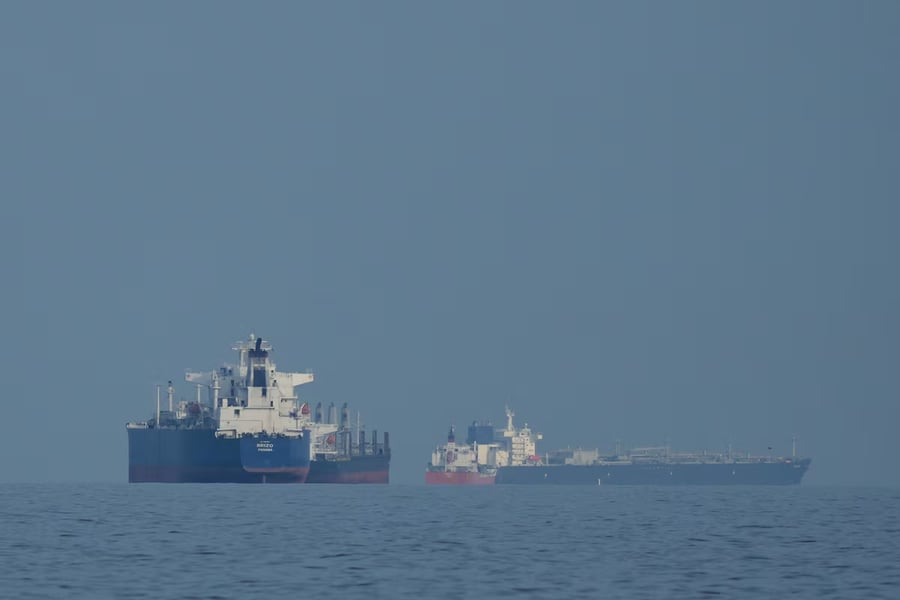
Despite the mounting tensions, the Norwegian leader stressed that there are currently no plans for his country to join military operations related to the conflict.
“There are currently no plans for military operations there,” Store said, reinforcing the cautious approach shared by Oslo and Berlin.
Global Shockwaves After the Opening Strikes
The events that followed the opening phase of the war have rapidly transformed the geopolitical landscape. Iran’s retaliatory strikes targeted military installations linked to the United States as well as Israeli strategic sites, demonstrating Tehran’s willingness to escalate the confrontation despite the enormous risks involved.
The exchanges of strikes have raised fears that other regional powers could become involved, either directly or indirectly. Analysts warn that the conflict could spill over into neighboring states hosting US military bases, potentially widening the battlefield across the Middle East.
Meanwhile, the global economic consequences are already beginning to emerge. Oil markets reacted sharply to the initial escalation, with prices surging amid concerns that tanker routes through the Persian Gulf might be disrupted.
Insurance premiums for ships traveling through the region have also climbed significantly, reflecting the heightened risk of attacks or naval incidents. For energy-importing countries in Europe and Asia, the possibility of prolonged instability in the region represents a major strategic concern.
Debate Over Washington’s Strategy
The reluctance of Germany and Norway to participate in the US-Israeli operation underscores a broader debate within Western political circles about the long-term consequences of the conflict.
Some European officials fear that military escalation could undermine diplomatic channels that once aimed to address disputes over Iran’s nuclear program through negotiations rather than war. Others worry that the confrontation could strengthen hardline factions across the region and weaken moderate voices advocating dialogue.
Critics of the operation have also questioned whether the strategy of attempting to reshape Iran’s political system through military pressure could destabilize the country further, potentially creating a prolonged period of regional uncertainty.
Calls for Diplomacy
Both Germany and Norway emphasized that diplomatic engagement remains the only viable path toward ending the crisis. Their leaders suggested that international efforts should focus on reducing tensions and reopening channels for dialogue rather than expanding the military confrontation.
Whether such diplomatic efforts will succeed remains uncertain. With Iran promising retaliation and the United States and Israel continuing their campaign, the risk of further escalation remains high.
For now, Berlin and Oslo appear determined to stay outside the battlefield, even as the geopolitical shockwaves from the moment Iran launched counterstrikes continue to reverberate across the Middle East and beyond.