Iran has carried out a covert operation deep inside Israeli territory, successfully eliminating a senior member of Israel’s military-political cabinet, according to reports from Tehran, marking what could be one of the most dramatic escalations in the ongoing war between Iran, Israel, and the United States.
The operation, reportedly executed by Iran’s Islamic Revolutionary Guard Corps (IRGC), signals a decisive shift in the nature of the conflict — from long-range missile exchanges and airstrikes to high-risk, intelligence-driven targeted assassinations inside enemy territory.
Iranian state-linked media claimed the operation was conducted “deep within the occupied territories,” suggesting a breach of Israel’s heavily fortified internal security apparatus. While the identity of the targeted official has not been disclosed, Iranian sources described the mission as “successful,” raising urgent questions about the vulnerability of Israel’s leadership during wartime.
The reported strike comes amid a rapidly intensifying regional war that began on February 28, when the United States and Israel launched coordinated airstrikes across Iran under what Israeli officials called a preemptive doctrine. The operation, widely referred to as a joint US-Israel military campaign, targeted key infrastructure and senior leadership figures in Tehran and beyond.
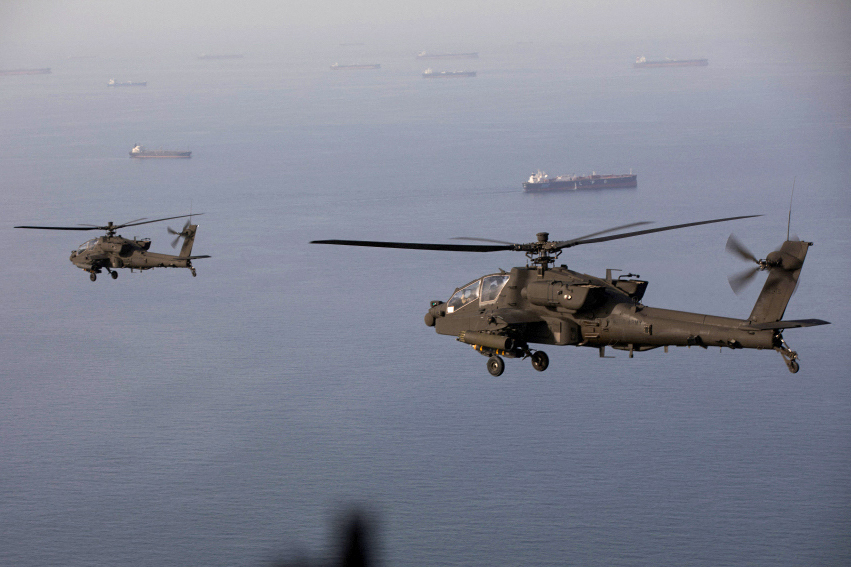
Those initial strikes that ignited the conflict triggered a chain reaction that has since engulfed much of the Middle East. Iran responded with waves of missile and drone attacks on Israeli territory, as well as strikes on US military installations across the region. The escalation has disrupted global oil markets and the Strait of Hormuz, heightened tensions across maritime routes, and drawn in multiple regional actors.
Now, if confirmed, Iran’s alleged assassination of a high-ranking Israeli cabinet figure would represent a dramatic escalation in both capability and intent — bringing the war directly into Israel’s political core.
A War of Assassinations
The latest claim must be viewed within the broader context of an ongoing campaign of targeted killings that has defined the conflict’s most volatile phase.
In recent weeks, Israel has carried out a series of high-profile strikes against Iran’s top leadership, including attempts to eliminate key figures at the very heart of the Iranian state, according to multiple international reports.
These operations reflect including attempts to eliminate key figures at the very heart of the Iranian state, reinforcing a strategy centered on dismantling Iran’s leadership through precision strikes.
The conflict has evolved into a series of targeted killings that has defined the conflict’s most volatile phase, with both sides increasingly relying on intelligence-led warfare.
Israel’s approach relies heavily on advanced intelligence and external backing, highlighting the role of informants and surveillance networks in modern warfare.
At the core of this strategy are decapitation strikes, an effort to systematically dismantle Iran’s political and military leadership, a doctrine that has defined the current phase of the war.
These developments have reinforced the perception that the conflict has already crossed multiple red lines, with both sides increasingly willing to target top leadership figures.
Iran’s Strategic Response
Iran’s alleged covert operation inside Israel appears to mirror the very tactics used against it — a calculated signal that Tehran is capable of retaliating not only through conventional military means, but also through precision intelligence operations.
For decades, covert actions have been a central feature of the shadow war between Iran and Israel. Israeli intelligence agencies, particularly Mossad, have been accused of conducting assassinations of Iranian nuclear scientists and military officials inside Iran. In response, Iran has gradually expanded its own intelligence capabilities.
If Iran has indeed succeeded in eliminating a member of Israel’s military-political cabinet, it would represent a significant breakthrough in its ability to operate inside one of the world’s most tightly secured states.
Such an operation would likely require extensive intelligence penetration, logistical coordination, and operational precision — raising the possibility of internal vulnerabilities within Israel’s security system.
A Dangerous New Phase
The implications of this development extend far beyond the immediate tactical impact. The shift toward high-level assassinations on both sides suggests that the war entered a dangerous new phase.
Rather than traditional battlefield engagements, the war is increasingly being fought through intelligence operations, cyber warfare, and targeted killings, a pattern that reduces the threshold for escalation while increasing the risk of miscalculation.
Analysts warn that such actions could trigger a cycle of retaliation that becomes increasingly difficult to control.
The involvement of the United States further complicates the situation. Washington has openly supported Israel’s military campaign against Iran, including the initial strikes that ignited the conflict.
Global Repercussions
The broader consequences of the conflict are already being felt worldwide. Energy markets have experienced significant volatility, while shipping routes across the Middle East have become increasingly risky.
Diplomatic efforts to de-escalate the situation have so far failed, with global powers remain divided over how to respond.
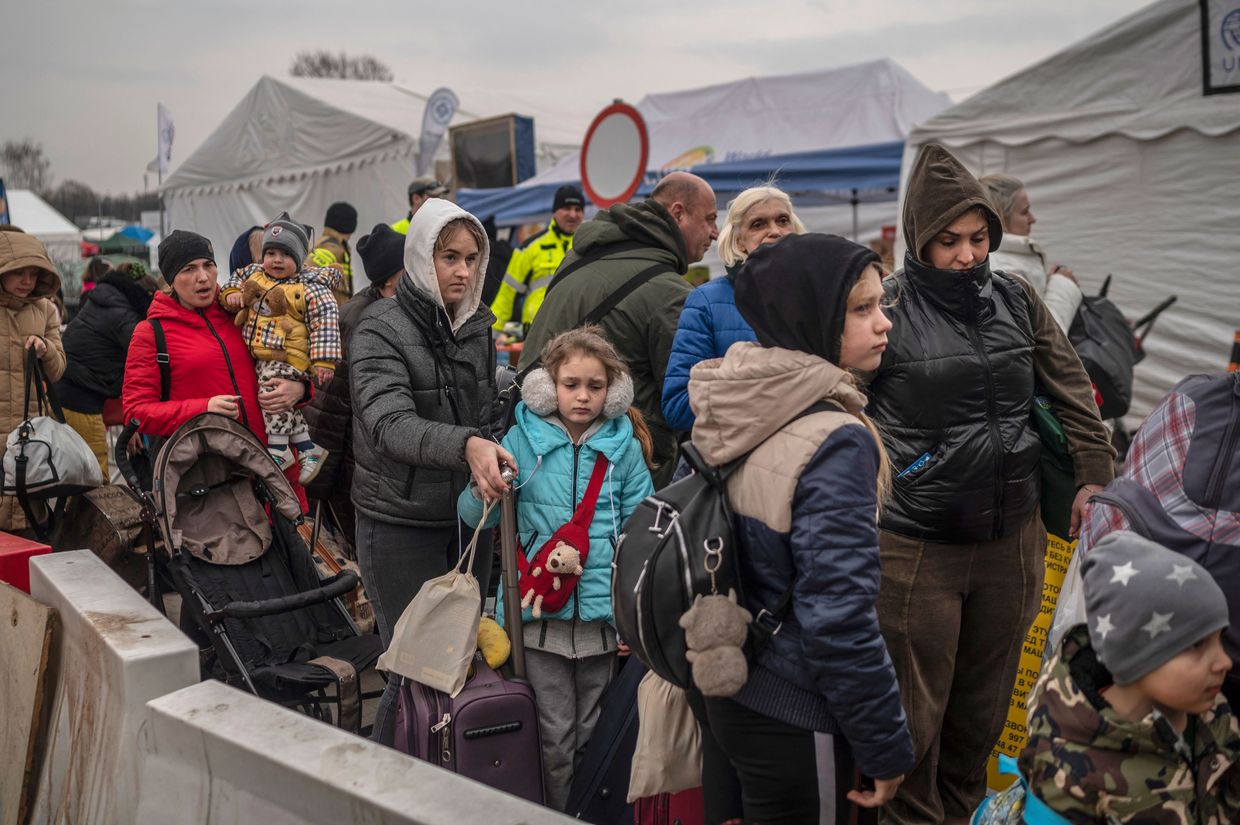
Meanwhile, civilian casualties reported in multiple locations continue to mount, raising humanitarian concerns.
Reports also point to hundreds of deaths and thousands injured in Tehran following successive waves of strikes.
At the same time, Tehran has insisted on accountability, with officials declaring that Iran demands accountability for the attacks and reserves the right to respond.
International voices have also emphasized Iran’s right to defend its sovereignty, further deepening geopolitical divisions.
The Road Ahead
As the war escalates, the risk of further retaliation remains high. The increasing reliance on covert operations and targeted assassinations suggests that both sides are preparing for a prolonged and deeply entrenched conflict.
Whether this latest development marks a turning point or simply another step in an ongoing cycle of retaliation will depend on how both sides respond in the coming days.
What is clear, however, is that the conflict is entering an unprecedented phase, one defined not just by military force, but by intelligence warfare at the highest levels of power.