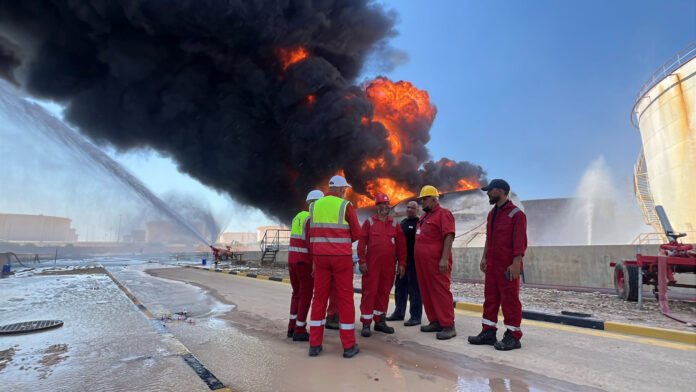

The widening conflict triggered by Israel’s attack on Iran has rapidly evolved into one of the most volatile geopolitical crises in recent years, pulling in global powers, igniting retaliatory strikes across the Middle East, and placing strategic military outposts such as Cyprus at the center of a dangerous escalation.
British officials have now moved to clarify one of the most contentious questions surrounding the war: whether United States forces used UK-controlled bases in Cyprus to carry out strikes on Iran. The answer, according to the UK government, is no.
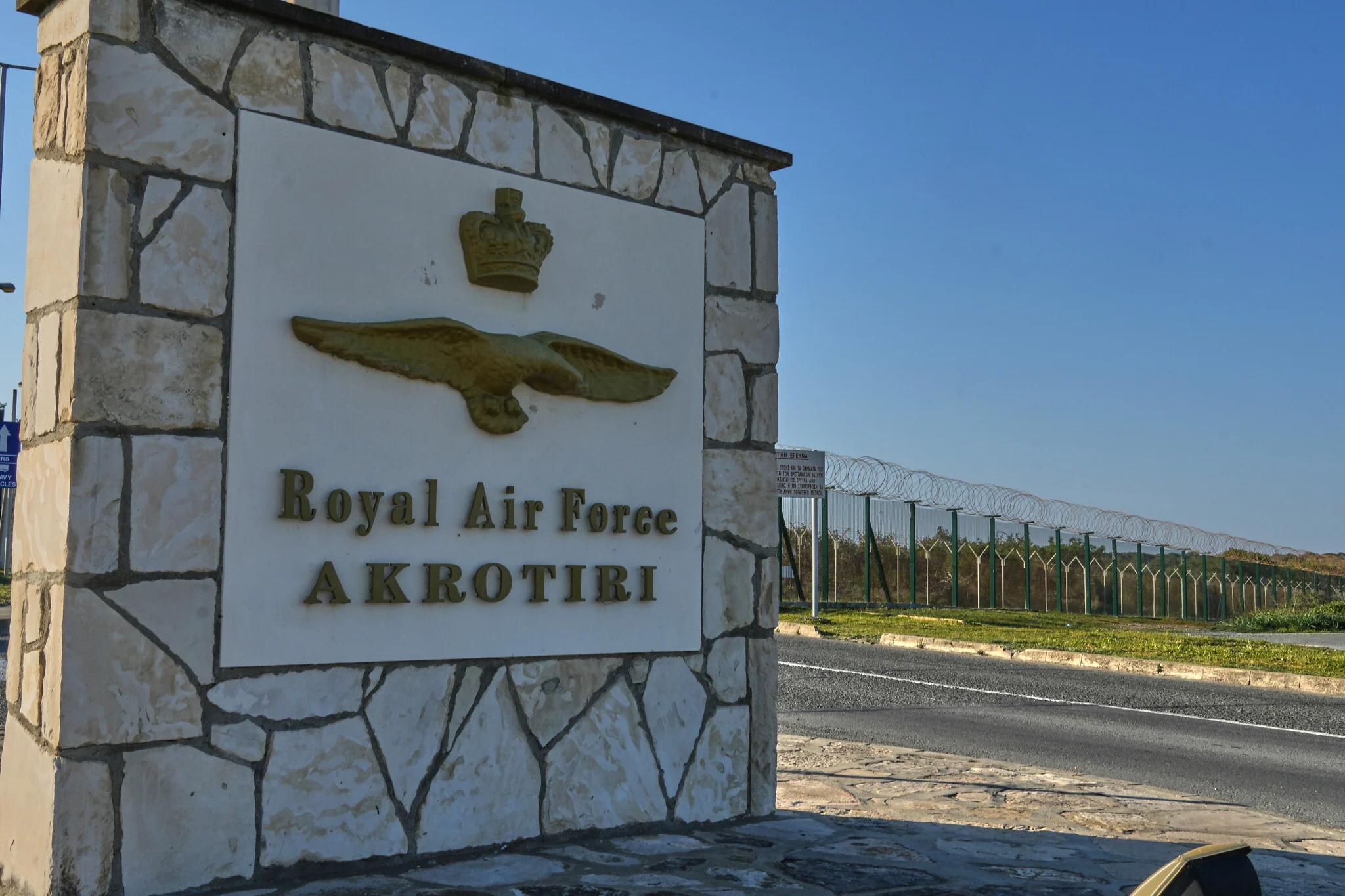
Speaking before Parliament, UK Deputy Foreign Secretary Stephen Doughty stated unequivocally that British sovereign base areas on the Mediterranean island, including RAF Akrotiri, were not used by US bombers to launch attacks on Iranian territory. The statement comes amid intensifying scrutiny over Western military coordination following the initial strikes that ignited the war triggered by Israel’s attack on Iran.
The clarification is politically significant. Since Israel launched what it described as a “pre-emptive attack” on Iran, in coordination with the United States, questions have swirled about the extent of allied involvement and the legal framework underpinning the operation.
Explosions were reported in Tehran on the day of the assault, marking the beginning of a renewed and highly dangerous phase in the long-running confrontation between Iran and Israel.

This wave of retaliation has transformed what began as a targeted military operation into a sprawling regional conflict.
On March 1, a drone struck RAF Akrotiri, a key British air base on the island, causing limited damage but triggering alarm across Europe.
The strike marked a turning point. For decades, Cyprus has hosted British military installations under agreements dating back to the island’s independence in 1960.
Despite these developments, the UK has maintained that it is not a direct participant in offensive operations against Iran. British officials have emphasized that any cooperation with US forces is limited and focused on defensive coordination.
The political sensitivity is compounded by domestic pressure. In Cyprus itself, a drone strike has renewed calls for an end to British military presence, with critics arguing the bases expose the island to unnecessary risk.
Meanwhile, Western nations have deployed additional naval and air assets to the region, transforming the Eastern Mediterranean into a heavily militarized zone.
The presence of global powers in close proximity raises the risk of miscalculation, particularly in a conflict already marked by rapid escalation.
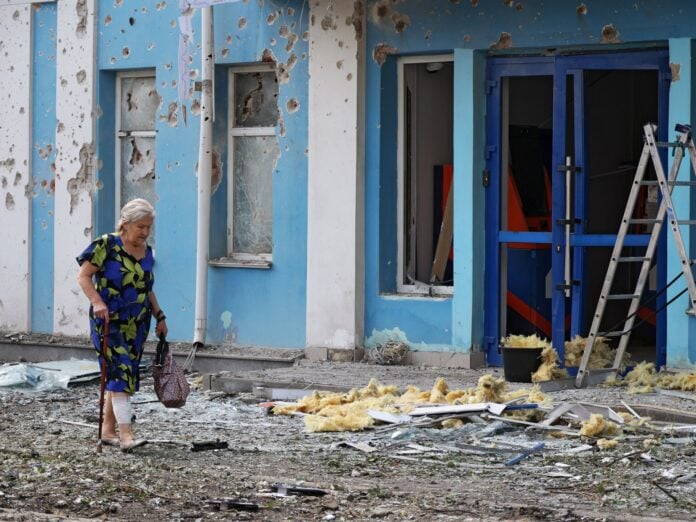
At the same time, the human cost of the war continues to mount, with reports of civilian casualties and widespread disruption across multiple regions.
Cyprus has become an unexpected frontline, reflecting how modern warfare increasingly spills beyond traditional battle zones.
The denial by the UK that its bases were used for US strikes is therefore both a factual clarification and a political signal, as London attempts to distance itself from direct involvement while managing the risks of escalation.
As diplomatic efforts have so far struggled to gain traction, the trajectory of the conflict remains uncertain, with the risk of further escalation looming across the region.