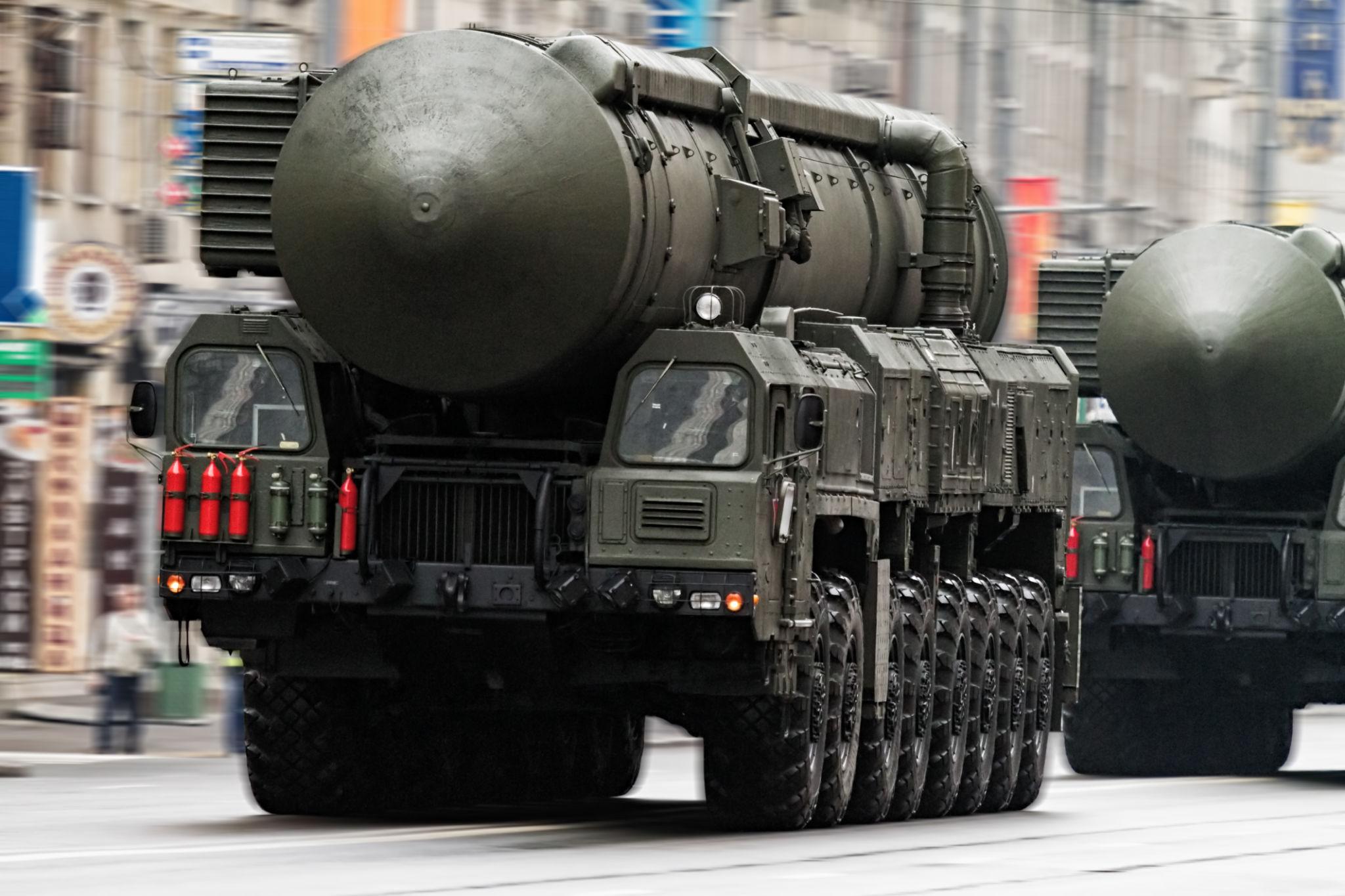

WASHINGTON — The United States has opened the door to a future in which the world’s most powerful nuclear states, the United States, Russia, and China, could jointly oversee and police the global nuclear arsenal, signaling a potential evolution in how strategic weapons are managed in an increasingly multipolar world.
The remark, delivered by US Under Secretary of State for Arms Control and International Security Thomas DiNanno during a Senate Foreign Relations Committee hearing, reflects growing recognition in Washington that traditional bilateral frameworks may no longer be sufficient to manage nuclear risks.
“I think it is certainly a possibility,” DiNanno said when asked whether the three powers could one day cooperate to police global nuclear stockpiles. He pointed to the existing P5 mechanism, which includes the United States, Russia, China, the United Kingdom, and France, as a foundational structure that could evolve into a more effective system of coordination.
“We do participate in the P5… with all the nuclear weapon states,” he noted, adding that while the framework exists, it must become more productive to address emerging global challenges.
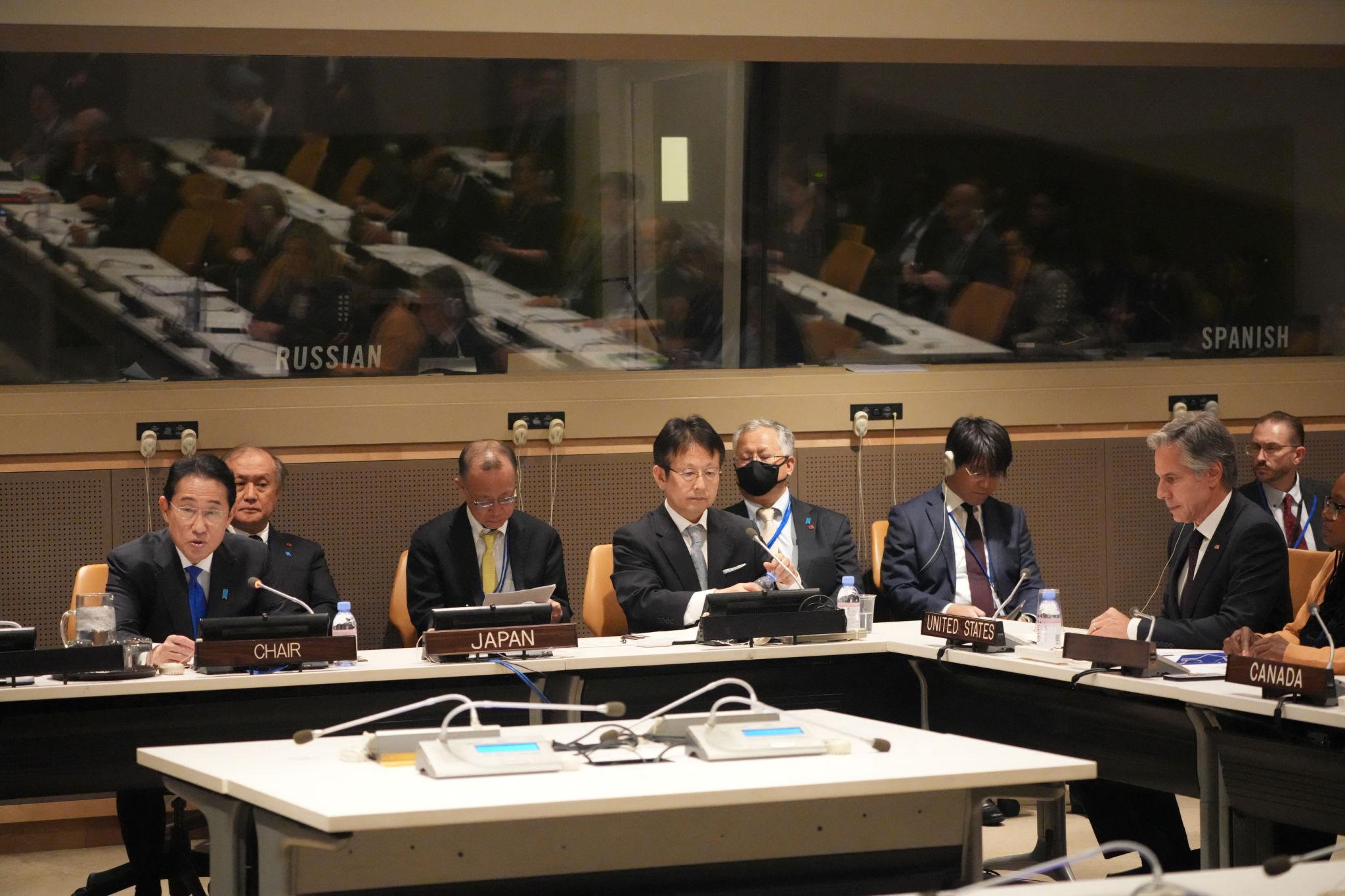
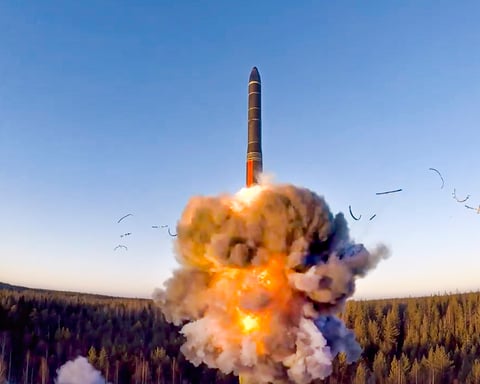
With its expiration, the global nuclear order has entered uncharted territory. Analysts warn that, for the first time in decades, there are no legally binding caps on the number of deployed strategic nuclear warheads held by Washington and Moscow, raising fears of an unconstrained nuclear competition.
The collapse of this framework has intensified concerns about a potential new arms race, particularly as geopolitical tensions deepen and trust between major powers continues to erode. While Russia had signaled willingness to extend adherence to the treaty’s limits for an additional year, the United States did not formally respond, allowing the agreement to lapse.
Against this backdrop, Washington’s openness to a trilateral model reflects a broader strategic recalibration, one that acknowledges the growing role of China in the global nuclear balance. Unlike previous decades, when arms control was largely defined by US-Russia negotiations, today’s nuclear landscape is increasingly shaped by a third major actor.
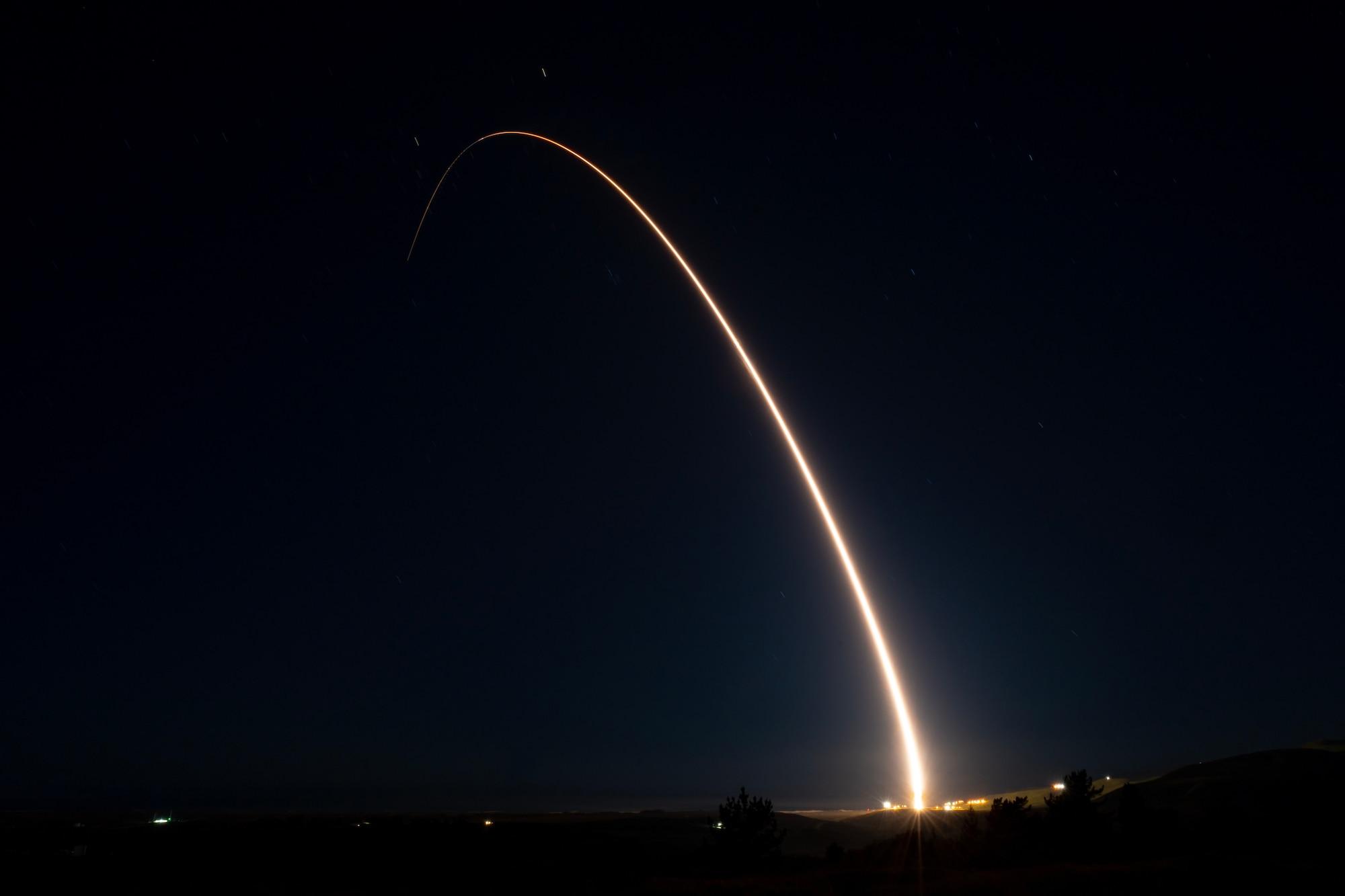
Recent US assessments have raised concerns about China’s nuclear activities, including allegations of expansion and modernization. These claims, however, have been strongly rejected by Beijing, further deepening mistrust between the major powers and complicating efforts toward any unified framework.
The idea of trilateral oversight, while still conceptual, reflects a recognition that the existing bilateral system may be insufficient in a world where nuclear capabilities are diversifying and expanding. It also underscores the challenges of adapting Cold War-era agreements to a rapidly evolving geopolitical environment.
Experts say that any move toward a joint policing mechanism would face significant obstacles, including deep political mistrust, differing strategic doctrines, and competing national interests. The United States, Russia, and China each maintain distinct approaches to nuclear deterrence, transparency, and verification, key elements that would need to be reconciled in any cooperative framework.
Moreover, the broader international context remains fragile. Accusations and counter-accusations among major powers have become more frequent, particularly regarding compliance with existing norms and agreements. The absence of a binding treaty framework has only amplified these tensions, raising the stakes for future negotiations.
At the same time, the P5 format, referenced by DiNanno, offers a potential starting point. Originally designed as a forum for dialogue among the five recognized nuclear-weapon states under the Nuclear Non-Proliferation Treaty, the P5 has historically played a limited role in concrete arms control measures. However, some policymakers believe it could be expanded into a more robust mechanism for coordination and oversight.
Still, transforming the P5 into an effective enforcement or policing body would require unprecedented levels of cooperation. It would also necessitate agreement on verification mechanisms, data sharing, and enforcement protocols, areas where consensus has historically been difficult to achieve.
The expiration of New START has added urgency to these discussions. Without a replacement agreement, the risk of miscalculation and escalation increases, particularly in a geopolitical climate marked by rivalry and suspicion. Analysts warn that the absence of transparency and verification could force states to rely on worst-case assumptions, further destabilizing global security.
Further underscoring the gravity of the situation, global leaders and institutions have described the treaty’s expiration as a critical turning point, warning that the collapse of decades-old arms control frameworks could increase the likelihood of nuclear confrontation.
For now, the notion of joint nuclear policing remains speculative. DiNanno’s remarks did not outline a specific roadmap or timeline, nor did they indicate that formal negotiations on such a framework are imminent. Instead, they highlight a growing awareness within Washington that new approaches may be needed to address the realities of the current strategic environment.
Whether such an approach is feasible remains an open question. Achieving meaningful cooperation among the world’s leading nuclear powers would require not only political will but also a fundamental shift in how these states perceive their security interests and responsibilities.
As the global nuclear order enters a period of transition, the stakes could not be higher. The absence of clear rules and constraints has introduced new uncertainties, making the search for alternative frameworks, whether bilateral, multilateral, or trilateral, increasingly urgent.
In this evolving landscape, the idea of the United States, Russia, and China jointly policing the world’s nuclear arsenal may seem ambitious. Yet it reflects a broader reality: the future of arms control will likely depend on the ability of major powers to move beyond traditional models and find new ways to manage the most destructive weapons ever created.
For now, the world watches as these possibilities begin to take shape, uncertain, complex, and fraught with challenges, but potentially defining for the next era of global security.