The occupied West Bank has erupted in widespread protests as Palestinians stage strikes and demonstrations against Israel’s proposed expansion of the death penalty, a move that has further inflamed tensions across a region already on edge over the ongoing Gaza war. According to West Bank has erupted in widespread protests, the unrest reflects a deepening crisis.
The unrest, reported by Al Jazeera and corroborated by war in Gaza continues to dominate global headlines, reflects a deepening crisis that now intersects with growing warnings from Iran, signaling that the conflict is no longer confined to Gaza or the West Bank but risks cascading into a broader regional confrontation.
At the heart of this escalation lies a volatile convergence: Israel’s legal hardening, Palestinian resistance, and Iran’s increasingly explicit rhetoric around wartime justice, including the use of capital punishment.
A Legal Shift with Regional Consequences
The Israeli government’s push to formalize and expand the use of the death penalty against Palestinians accused of attacks has triggered alarm across the occupied territories. While capital punishment has historically been rare under Israeli law, the current proposal is widely seen as a political and ideological shift, one that critics argue institutionalizes extreme punitive measures under the guise of security, as explored in Israel’s push to formalize and expand the use of the death penalty.
Across cities such as Ramallah, Nablus, and Hebron, businesses shuttered and thousands took to the streets. Protesters framed the legislation not merely as a legal reform, but as part of a broader system of repression tied to what many international observers and activists have increasingly described as the Gaza genocide.
Demonstrators carried banners condemning what they see as collective punishment and judicial escalation, warning that the law could pave the way for expedited executions in a highly politicized environment.
Gaza War and the Expanding Flashpoints
The protests come as the war in Gaza continues to dominate global headlines. civilian casualties, mass displacement, and the destruction of infrastructure have fueled international outrage, with growing calls for accountability.
The phrase Gaza genocide has increasingly entered political discourse, particularly across the Global South, where governments and civil society groups have accused Israel of pursuing policies that go beyond conventional warfare.
The situation in the West Bank, while geographically separate, is deeply intertwined. Analysts note that Israeli military operations, arrests, and now legal proposals form part of a unified strategy aimed at consolidating control amid wartime conditions.
Iran’s Warning: Death Penalty in Wartime
Compounding fears of escalation are recent statements from Tehran. Iranian authorities have issued stark warnings that individuals accused of collaborating with enemy states could face the death penalty.
The warning is not merely rhetorical. Iran has a long-established legal framework that allows for capital punishment in cases of espionage, treason, and actions deemed harmful to national security. However, the current messaging suggests a tightening of enforcement in the context of rising regional tensions.

This stance has triggered widespread speculation about how Iran might treat individuals captured during any potential escalation involving Israeli or US forces.
Fear, Speculation, and Information Warfare
As tensions rise, so too does the spread of claims and counterclaims across media ecosystems. Reports and narratives about potential execution of captured soldiers, particularly Americans and Israelis, have circulated widely, though concrete evidence remains limited.
This information environment reflects a broader pattern in modern conflicts, where psychological operations and narrative framing play a central role alongside military actions.
US Foreign Policy and the Expanding Conflict Zone
The United States remains deeply entangled in the unfolding crisis. Its longstanding support for Israel has drawn criticism from multiple quarters, particularly as the humanitarian toll in Gaza continues to mount.
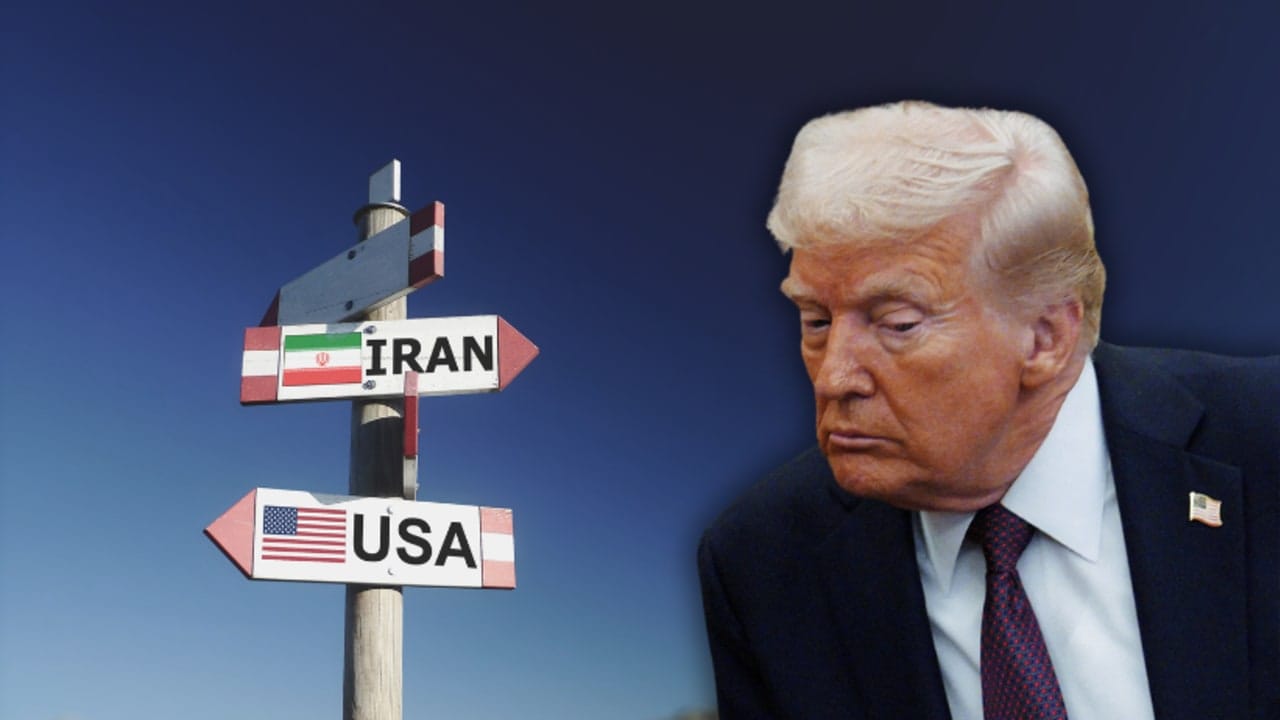
At the same time, Washington has sought to deter Iranian involvement, deploying military assets and issuing warnings against regional escalation, amid rising regional tensions.
Critics argue that US policy has contributed to the current volatility. By backing Israeli operations while attempting to contain Iran, the US finds itself navigating a narrowing diplomatic corridor.
A Region on the Brink
The convergence of these dynamics, protests in the West Bank, war in Gaza, legal escalation in Israel, and warnings from Iran, paints a picture of a region approaching a critical threshold.
Each development feeds into the next, as highlighted in West Bank has erupted in widespread protests and communities in the West Bank confront arrests, raids.
Meanwhile, warnings from Iran, signaling that the conflict is no longer confined and rising regional tensions continue to push the Middle East toward a broader confrontation.
The Human Cost Behind the Headlines
Amid the geopolitical maneuvering, the human cost continues to rise.
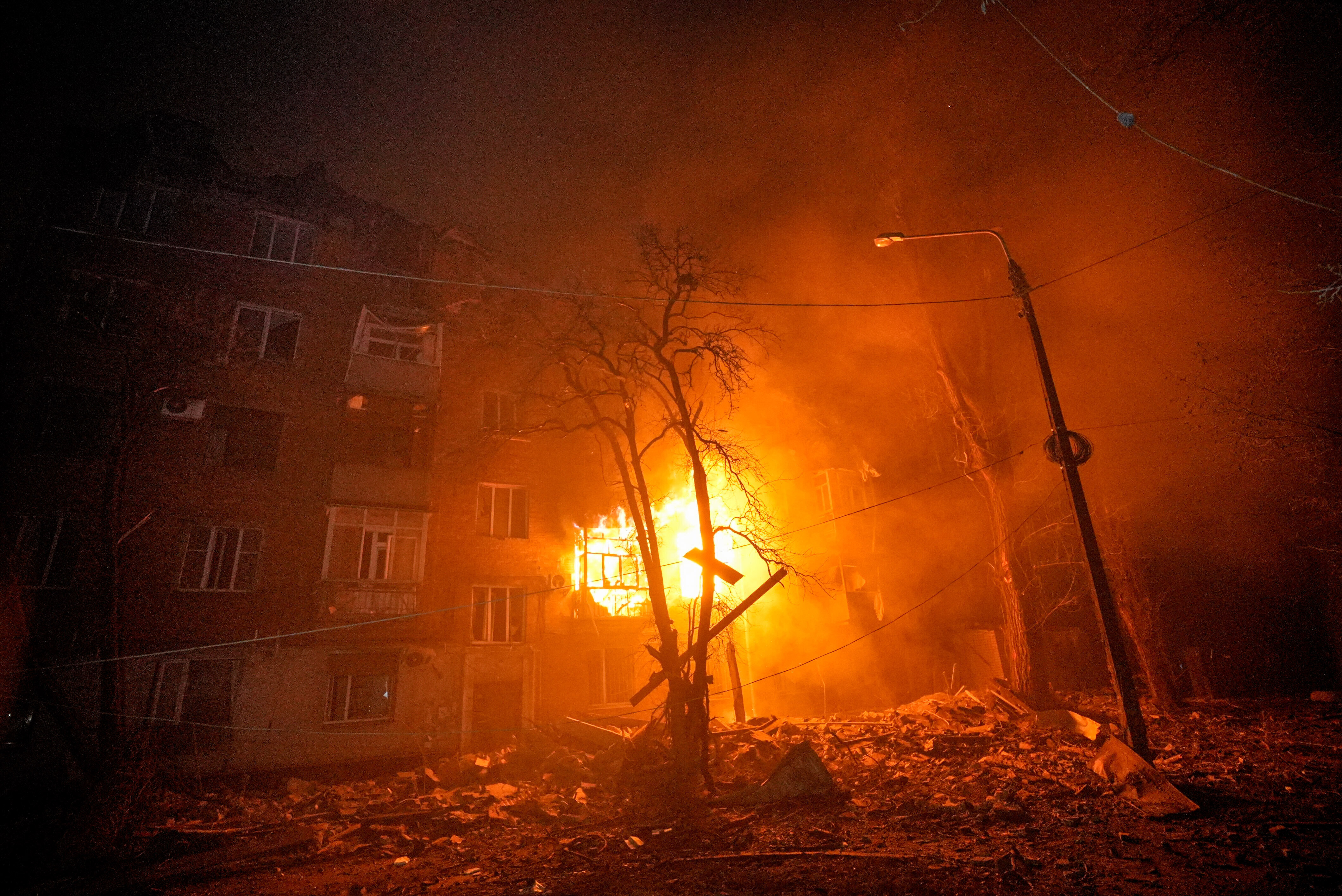
Families in Gaza face daily bombardment. Communities in the West Bank confront arrests, raids, and now the prospect of expanded capital punishment. Across the region, fear of a wider war looms large.
For many, the debate over laws and policies is not abstract. It is immediate and existential.
Toward an Uncertain Future
The current moment represents more than a series of isolated developments. It is a convergence point, where legal frameworks, military strategies, and geopolitical rivalries intersect in ways that could redefine the Middle East.
Israel’s push for the death penalty, Palestinian resistance in the West Bank, and Iran’s warnings of wartime executions are not separate stories. They are chapters of the same unfolding crisis.
And as the language of war grows sharper, from “security” to “genocide,” from “deterrence” to “execution,” the space for de-escalation appears to be shrinking.