

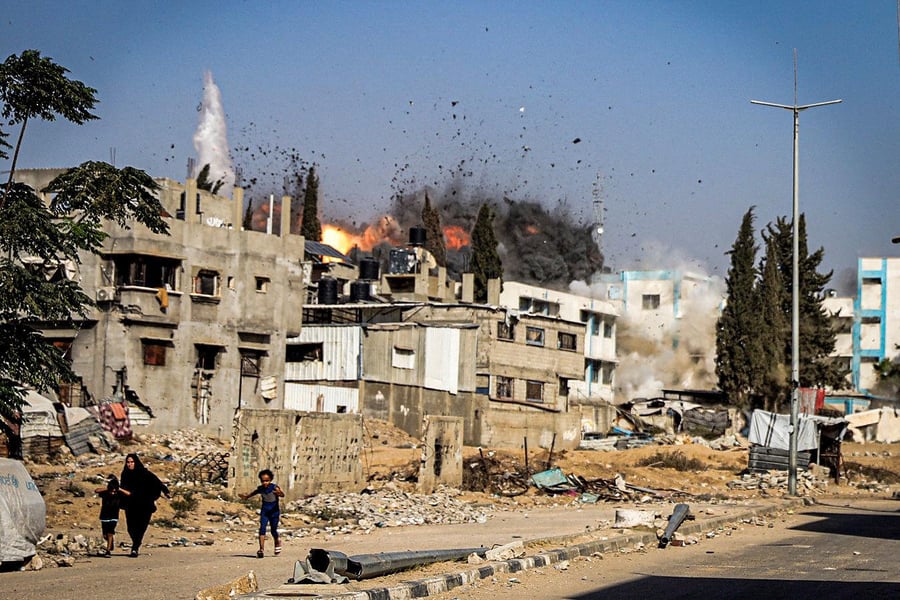

The ceasefire, brokered with heavy involvement from the United States, was meant to signal a pause, a moment for diplomacy, recovery, and restraint. Instead, what is unfolding across Gaza and the occupied West Bank suggests something far more troubling: a continuation of lethal force under a different name.
On March 28, Israeli military kills three Palestinians in Gaza despite ceasefire, according to local health officials, in strikes that hit Khan Younis and Gaza City. The Israeli military has not publicly explained the attacks, even as the truce framework remains officially in place.
These killings are not isolated. The scale of destruction described in earlier reporting on US-backed Israeli assault has continued to define the trajectory of the war. Since the ceasefire came into effect in late 2025, more than 680 Palestinians have reportedly been killed, adding to a staggering death toll exceeding 72,000 since October 2023.
The numbers raise a difficult question: if violence continues at scale, what does a ceasefire actually mean?
A Ceasefire Without Restraint
In theory, ceasefires are designed to halt hostilities. In practice, the current arrangement appears to have created a legal and political gray zone, one in which military operations continue with limited scrutiny and even less accountability.
Across Gaza, airstrikes, drone attacks, and targeted killings have persisted. Reports echo patterns seen in earlier coverage of Israeli drone strike kills civilians, where even paramedics and non-combatants were not spared.
The continuation of such strikes has fueled growing criticism that the ceasefire is being used less as a tool for peace and more as a diplomatic shield, allowing violence to persist while deflecting international pressure.
West Bank: A Parallel Theater of Violence
While Gaza remains the epicenter of global attention, the occupied West Bank has become a parallel front, one marked by a different, but equally entrenched, form of violence.
On the same day, Israeli forces kill 15-year-old Palestinian in West Bank, highlighting how the conflict continues beyond Gaza’s borders.
Israeli settlers have also escalated attacks. Reports confirm that Israeli settlers attack West Bank villages and burn homes, often with security forces present but not intervening.
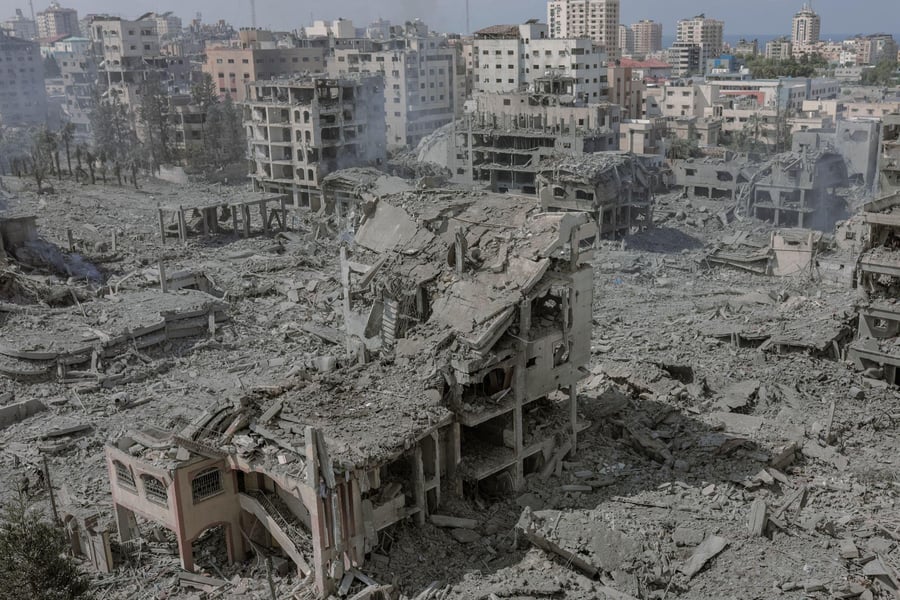
This aligns with earlier investigations showing how the West shields Israel diplomatically, even as conditions deteriorate on the ground.
The Logic of Impunity
The absence of legal consequences has created an environment in which violence is not only tolerated but normalized.
Investigations into attacks rarely result in indictments. Military operations are shielded from scrutiny. International calls for accountability have produced little tangible outcome.
This system of impunity is not accidental. It is structural, reinforced by political alliances, diplomatic protection, and a global order unwilling to impose consequences.
The Conflict Spills Beyond Palestine
Perhaps the most alarming development is that the consequences of this conflict are no longer confined to the Middle East.
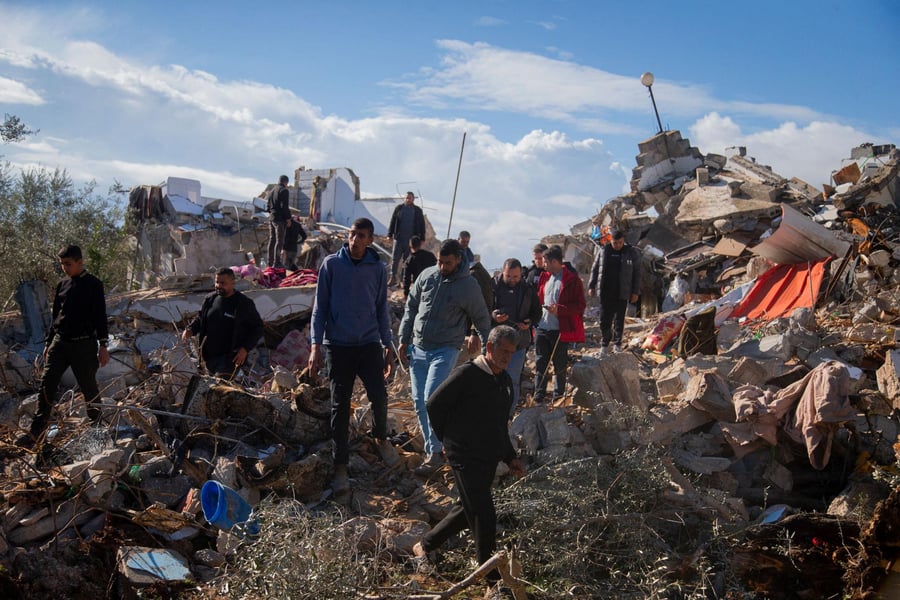
In New York, authorities uncovered a plot to firebomb Palestinian activist in New York, exposing how extremist ideologies tied to the conflict are spreading far beyond the region.
The US Role Under Scrutiny
The United States has long positioned itself as a mediator in the Israeli-Palestinian conflict. It has brokered ceasefires, provided military aid, and defended Israel in international forums.
But critics argue that continued support, without meaningful conditions, has enabled policies that undermine the very ceasefires Washington promotes.
The attempted attack in New York adds a new dimension. If the conflict is generating security risks within the US itself, the consequences of foreign policy decisions are no longer distant.
A Crisis Without Borders
The convergence of ongoing killings, settler violence, and global extremist activity points to a conflict that is expanding both geographically and politically.
Earlier reporting on regional war expansion shows how the crisis is already spilling into neighboring countries, raising fears of a broader regional war.
It is no longer confined to a single territory. It has become a global crisis shaped by military actions, ideological movements, and international alliances.
The Collapse of the Ceasefire Narrative
For months, the ceasefire has been presented as evidence of progress.
But the reality suggests otherwise. Continued killings, lack of accountability, and expanding violence all indicate that the ceasefire is not holding in any meaningful sense.
Rather than marking a turning point, it may represent a shift in rhetoric, one that masks the continuation of violence under a different label.
The phrase “Gaza Genocide” has become central to how many describe the current situation.
What is clear is that violence has not stopped. People are still being killed. And the effects are no longer confined to one place.
The ceasefire has not ended the bloodshed. It has exposed how deeply entrenched the conflict has become, and how far its consequences can reach.













