
DUBAI — Six. That is the number of commercial vessels Kpler, one of the most-watched shipping analytics firms in the energy sector, counted moving through the Strait of Hormuz on Wednesday. On Monday, it counted five.
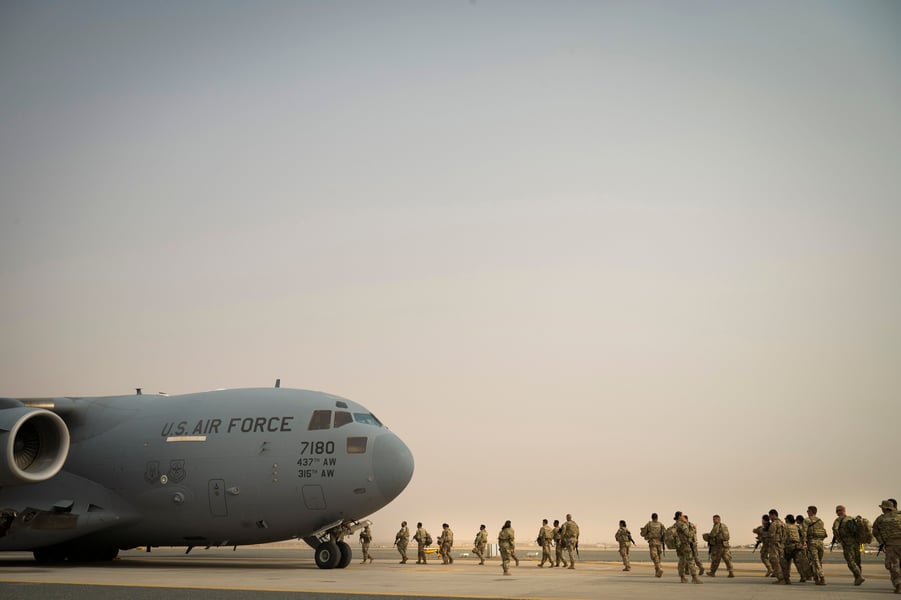
In Washington, the figure looked rather different. President Trump has said the United States is helping approximately thirty ships cross the strait each day. Treasury Secretary Scott Bessent told reporters that “at least ten million barrels” of oil were transiting daily, with fifteen to seventeen million barrels moving on Tuesday alone. Two unnamed US officials told CNN that forty commercial ships carrying eighteen million barrels had passed through that same Tuesday.
Before the war that has consumed the better part of a year and redrawn the global energy map, the Strait of Hormuz saw roughly one hundred vessels and twenty million barrels of oil transit daily. By that baseline, even the most optimistic independent tracking figure, roughly twelve to fourteen vessels daily according to Lloyd’s List Intelligence, represents a collapse of more than eighty percent in ship traffic.
So where is the gap coming from?
Eirik Hooper at the Drewry shipping consultancy offered one possibility. “A US operational count plausibly includes everything that moved under or near naval protection,” Hooper told Al Jazeera in a data investigation of the transit figures, a definition broad enough to encompass vessels that came close to the naval convoy corridor without completing a full transit. The Joint Maritime Information Centre, whose advisories carry weight in maritime insurance markets, described Hormuz traffic as still “far below baseline” despite acknowledging a modest recent uptick.
Bridget Diakun at Lloyd’s List Intelligence pointed to a different distortion: the lag in identifying dark transits, where ships disable their automatic identification system transponders to avoid detection. That delay means real-time tracking almost certainly undercounts movements to some degree; Diakun stopped well short of saying the undercount was large enough to close a gap of the magnitude Washington was describing.
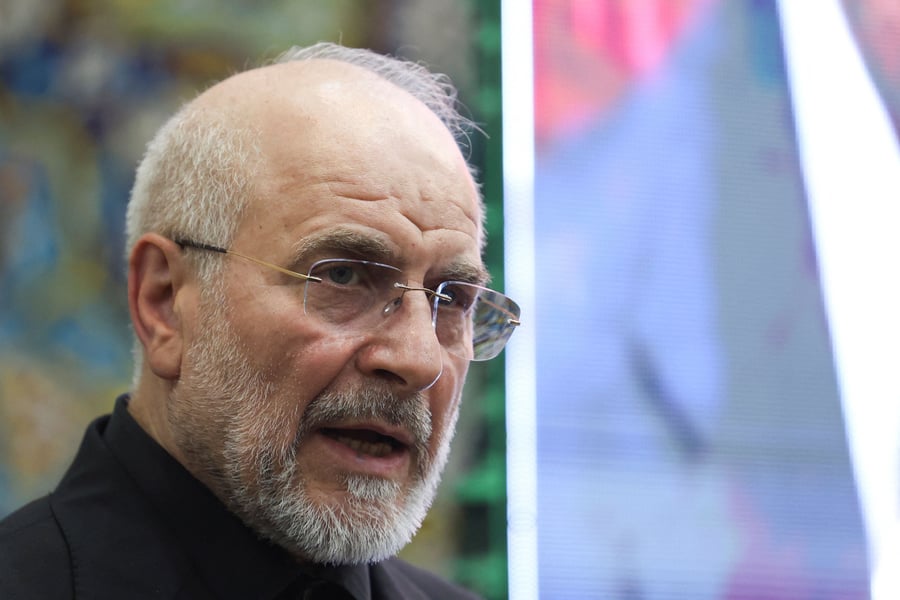
Mohammad Bagher Ghalibaf, the speaker of Iran’s parliament, offered his own accounting on Wednesday. Iran’s forces remain “in complete control of the strait,” he said, acknowledging that “the enemy managed to get some ships through Hormuz” while making clear the passage was happening on Tehran’s terms, not Washington’s.
That framing matters because Iran has publicly attached conditions to any full reopening. Under the Islamabad memorandum brokered by Pakistan and Qatar in June, the US and Iran agreed to a cessation of hostilities and further negotiations. Washington has since proposed a fifteen-point framework seeking an end to Iran’s missile and nuclear activities, as well as a halt to regional support operations. Tehran has rejected that framing, insisting the US must first fulfill its existing Islamabad commitments on sanctions relief before any further step is taken. In that context, both sides have clear incentives to manage the count: Washington to justify a naval deployment that has cost American taxpayers roughly thirty-seven billion dollars through July, and Tehran to preserve the credibility of its escalating pressure campaign against US forces in the Gulf.
The consequences of the number gap are not academic. Transit slot prices at the Panama Canal, where vessels rerouting from Hormuz have overwhelmed capacity, jumped from a historical average of fifty-five thousand dollars to a record five point three million dollars for a single South Korean vessel on September first. The canal is cutting daily vessel limits from forty to thirty-four starting next week, with a further reduction to thirty-two scheduled for September fifteenth. Meanwhile, diesel prices have hit record highs in recent weeks, a signal that whatever the ship count, refined fuel is not arriving at refineries in volumes needed to stabilize consumer costs.
Henry Ensher, a former US ambassador with years of experience in Gulf affairs, put the information war concisely. “Both sides would be well served to stop talking quite so much,” he said.
Who is right about the numbers may never be independently verified. No joint monitoring mechanism covers the strait. Ships that transit do so under military escort in one of the world’s most contested sea lanes, and no party has volunteered to count them together.