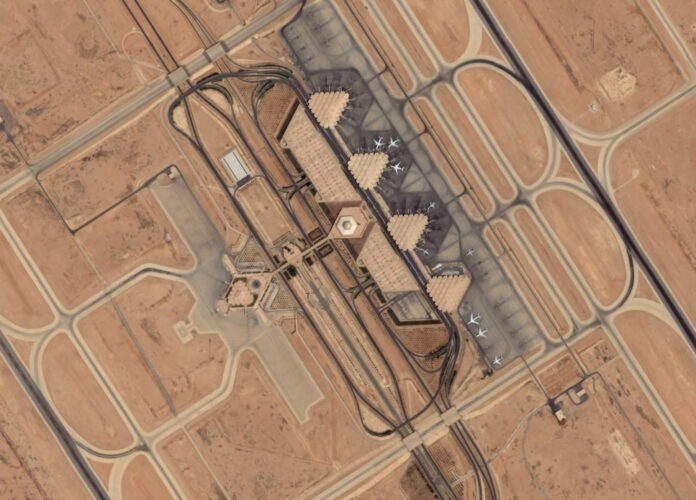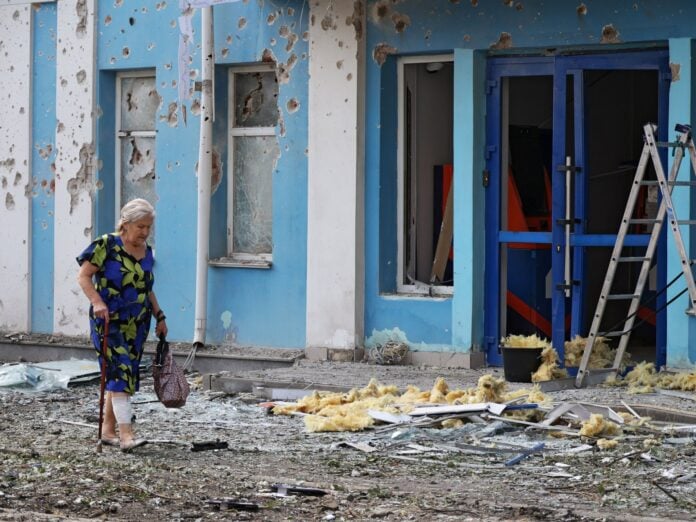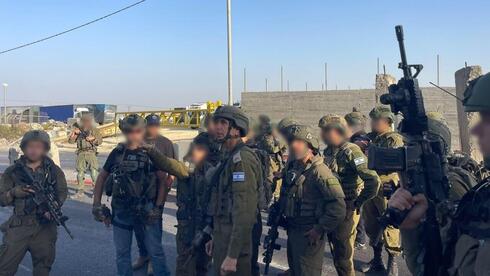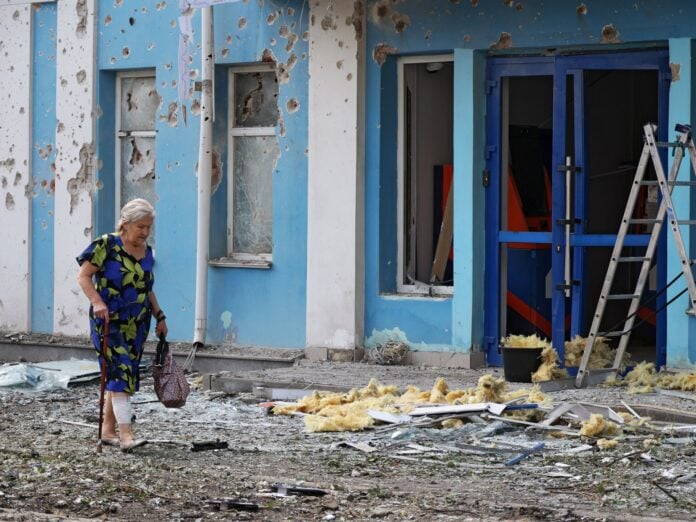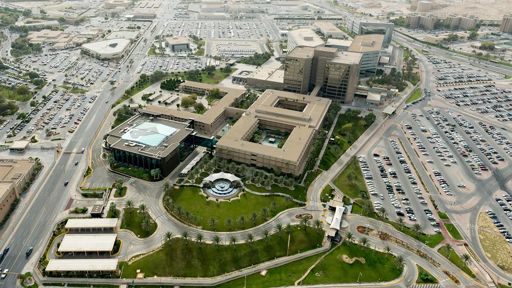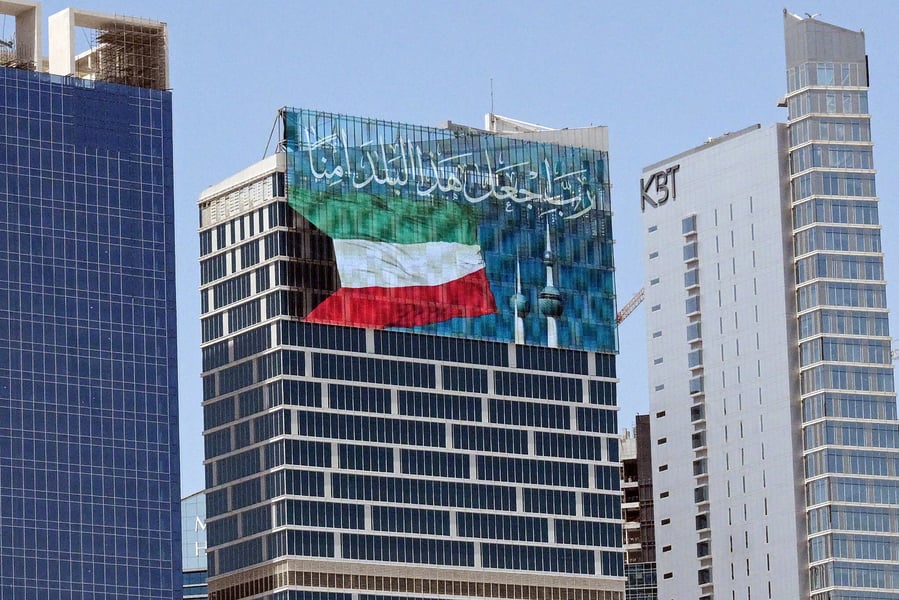

KUWAIT CITY — Ahmad al-Jaber Air Base has housed American aircraft and soldiers since the first Gulf War, since Kuwait was liberated and a US military presence became a permanent feature of the country’s security architecture. On Thursday morning, Iran struck it with missiles and drones. Kuwait was not at war with Iran. It hosted someone who was.
Iran’s military confirmed the strikes in a statement carried by state television: missiles and drones had targeted “satellite communication systems, equipment depots and fighter aircraft hangars” at Ahmad al-Jaber, and “the location of forces and radar systems” at Al Minhad Air Base in the United Arab Emirates. The Islamic Revolutionary Guard Corps claimed, separately, that American personnel had been killed and drones destroyed at Ahmad al-Jaber, as the Times of Israel confirmed. The US military had not confirmed or denied those claims at publication time.
Kuwait’s armed forces activated air defenses and intercepted incoming fire. The government’s response was direct and unequivocal: Iran’s attack was “a flagrant violation of Kuwait’s sovereignty and a direct threat to its security and stability,” according to an official statement that called on the United Nations to hold Iran accountable. The Arab League, Qatar, Egypt, Jordan, and Saudi Arabia each condemned the strikes. None of those condemnations came from parties that had expected to find themselves within this conflict’s geographic perimeter.
That is what Thursday’s strikes actually mean. From February, when US-Israeli air operations against Iran began, through the retaliatory exchanges over Jordan and the Strait of Hormuz, the war has followed a recognizable pattern: the United States strikes Iran, Iran strikes targets in countries at least nominally within the conflict’s orbit. Kuwait and the UAE were not in that orbit, or so they believed. They hosted American forces. They did not fight alongside them. Tehran, on Thursday, declined to recognise that distinction.
The IRGC’s justification was brief: the operations were conducted “in response to America’s crimes against the Iranian people.” A US strike that killed 18 people and wounded 108 others across Iranian territory earlier this week forms the immediate context for that framing. Whether Kuwait agreed to become the location where that accounting was settled was not a question anyone in Tehran appeared to consider.
Across the Gulf, the strategic picture is changing in ways no government planned for. The UAE hosts Al Minhad, a base that has served as a hub for US logistics and air operations for more than two decades and one of the most significant American military installations in the region. Striking Al Minhad alongside Ahmad al-Jaber signals that Iran no longer treats the presence of US forces on a country’s territory as protection for that country’s political neutrality. The base is the target. What surrounds it is a secondary question.
Iran’s President Masoud Pezeshkian has maintained throughout the conflict that Tehran does not seek war and responds only to aggression. That formulation remains the Iranian government’s official line. Thursday’s strikes test it against what it means in practice: that a proportional response to American military action can land on a government that was not consulted and whose population bears no direct responsibility for the decisions that triggered the retaliation.
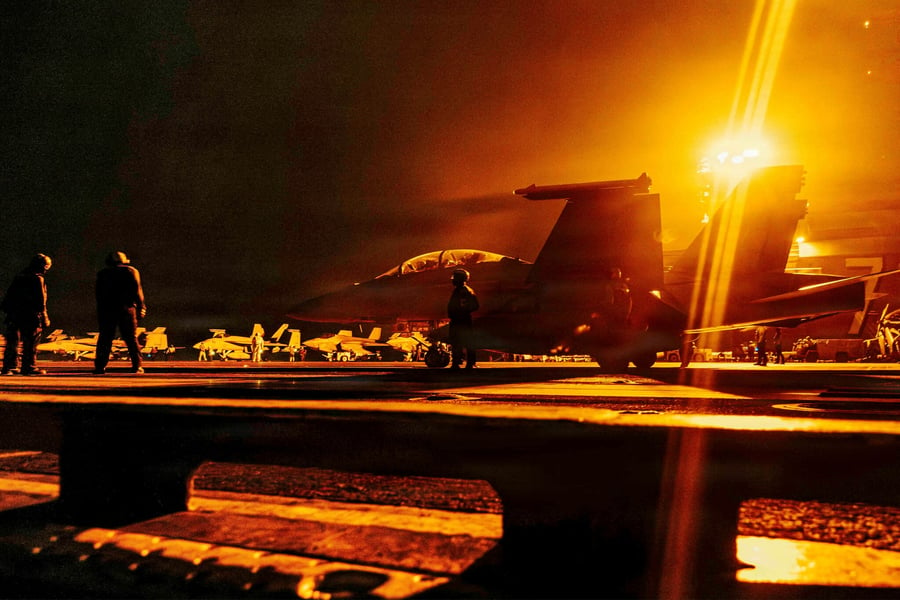
Oil markets registered the strikes before the diplomatic statements were fully drafted. Prices rose in early trading, adding to an increase already embedded from months of disruption to Gulf shipping lanes. Iran’s pressure on Gulf shipping corridors and the Oman-brokered transit discussions now operate in a context where the geography of the conflict has extended visibly into the Gulf’s most important economic partners.
The open question tonight is what Kuwait and the UAE do next. Both are treaty partners of the United States. Both host US forces precisely because that relationship is supposed to carry security guarantees. Those guarantees did not prevent Thursday’s strikes. Whether they produce a US response specifically calibrated to protect those partners, rather than continuing an exchange with Iran at the level both sides have sustained for months, is the political test the morning’s attacks have created.
EH has tracked the escalatory pattern since the Larak Island exchange: Iran’s operations have consistently aimed to make the cost of hosting American military power visible to the governments doing the hosting. That logic reached Jordan in August. On Thursday it reached Kuwait and the UAE. The theory has not changed. The geometry has.
What remains unconfirmed is the extent of damage at both bases, the number of US personnel killed or wounded, and whether Kuwait’s and the UAE’s air defenses intercepted every incoming missile. Iran’s operational claims and the local governments’ official statements describe different versions of the same morning. That gap is what Thursday leaves unresolved: whether the Gulf, after six months of proximity to a war it tried not to join, has now formally entered it.