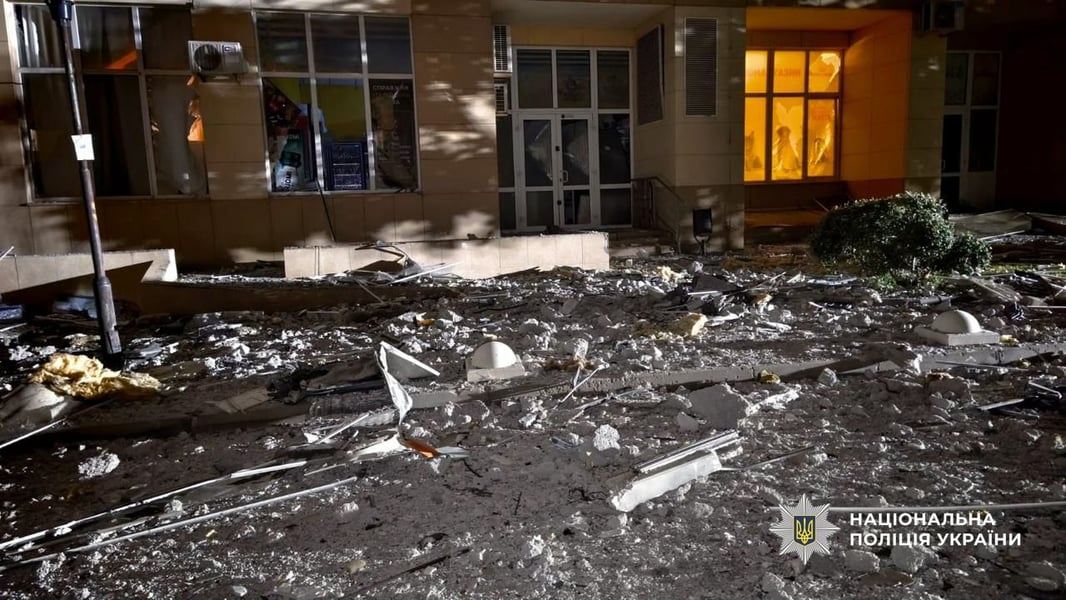

DAMASCUS — On August 21, 2013, sarin moved through the streets of Ghouta before sunrise. By the time day broke, more than eleven hundred Syrians were dead, the majority of them in their beds. The weapons that killed them had been built in facilities Bashar al-Assad’s government maintained for decades and hidden in storage sites that outlasted his rule by nearly two years. On Thursday, Syria began destroying what remained.
Syria’s ambassador to the United Nations, Ibrahim Olabi, told the Security Council that the country had commenced the first destruction of chemical weapons materials verified by the Organisation for the Prohibition of Chemical Weapons since 2014, the year an international deal brokered in the aftermath of Ghouta led to the partial removal of Assad’s declared arsenal. What the announcement made visible is that the 2013 deal never captured everything. Assad kept some of it.
Syria’s post-Assad government found the evidence in May 2026, when it uncovered chemical weapons materials that had appeared in none of Assad’s declarations. An amended declaration submitted to the OPCW in June identified two previously unreported storage sites: one at Al-Qutayfah, one in Homs, along with an additional production facility and a chemical substance used in nerve agent manufacture that had also gone undisclosed. Empty chemical munitions were recovered at the same sites. None of this had appeared in any of the declarations Assad’s government submitted across more than a decade of international pressure.
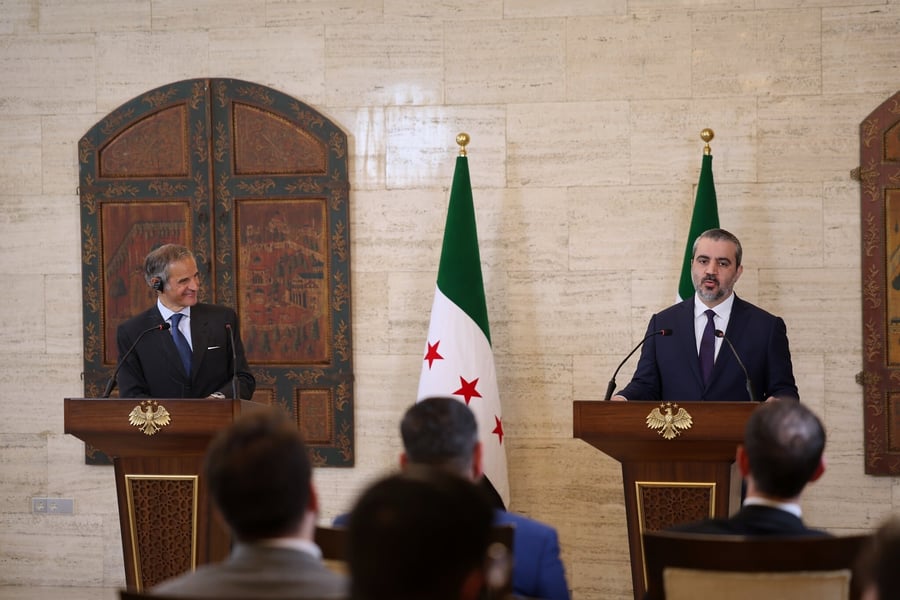
In August, an OPCW verification team arrived at Syrian facilities to assess the materials and observe their destruction. By the time Olabi addressed the Security Council on Thursday, the team had verified the irreversible destruction of 42 aerial bombs, munitions of the kind used to disperse chemical agents during the civil war. Izumi Nakamitsu, the UN High Representative for Disarmament Affairs, confirmed Thursday’s milestone represented “the first time since 2014” that OPCW-verified chemical weapons destruction had taken place on Syrian soil. “This is the very first destruction process since we have been liberated from the previous regime,” Olabi said.
Syria’s rights under the Chemical Weapons Convention, suspended since 2021 following OPCW findings of undisclosed stockpiles and continuing use of chemical agents against civilian populations, were reinstated in July 2026 after Damascus completed the amended declaration and granted the OPCW unrestricted access to declared sites.
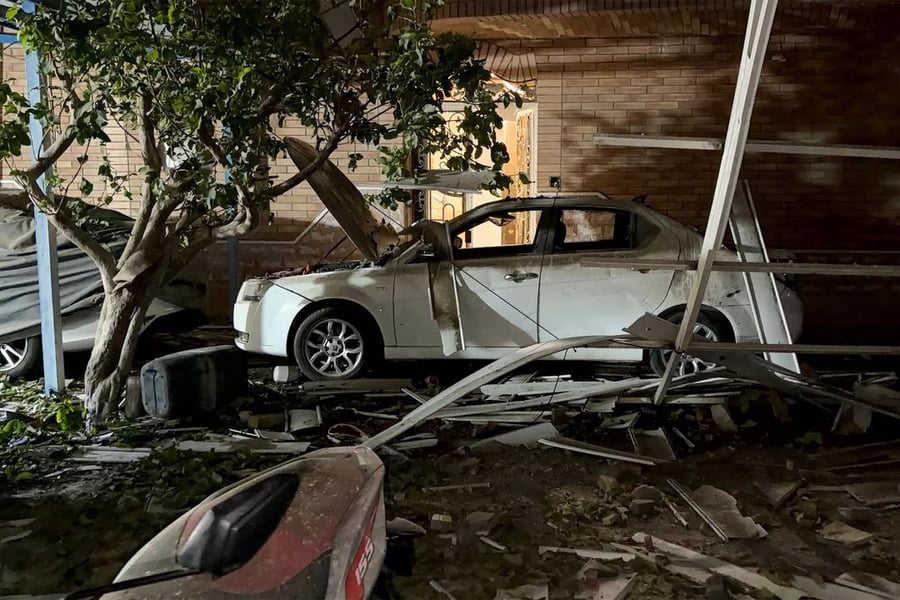
The destruction has not proceeded without complication. Israeli military strikes on Syrian territory have repeatedly interrupted and at times halted the disarmament operation since work began. International OPCW teams and Syrian personnel assisting them have been forced to suspend operations when strikes hit areas near the declared chemical sites. Syria raised the issue directly at the Security Council on Thursday and urged the United Nations to rein in Israeli airstrikes, which Damascus now argues are actively impeding an internationally mandated disarmament effort. “We cannot safeguard the security of the region if our security is exposed to attacks,” Olabi said.
The framing represents a direct challenge to how Israeli military action over Syria has been justified. During the Assad years, strikes on Syrian territory were often presented in part as counter-proliferation, targeting weapons infrastructure linked to Iranian military networks and Hezbollah, some of it near the same chemical sites now under OPCW supervision. With Syria cooperating with international inspectors and opening its declared sites to verification, Damascus is now arguing that continued Israeli strikes are not disrupting a weapons program. They are disrupting the process of dismantling one. Al Jazeera reported that Syria’s formal demand at the Security Council marked an escalation of what Damascus has previously raised through diplomatic channels alone. The Israeli-Syrian military theatre has become one front in a regional confrontation that has also drawn in Iran’s retaliatory IRGC strikes against US military positions in Jordan as the wider conflict has intensified.
Running alongside the destruction is an accountability effort. Syrian authorities have detained 18 suspects they allege were involved in developing or deploying chemical weapons under Assad’s government, and the first court hearings are being prepared. Whether those individuals will face charges in Syrian courts or whether Damascus will seek referral to international mechanisms has not been determined. The International Court of Justice has open proceedings on Syrian chemical attacks brought by a group of states; how Syria’s domestic prosecutions will relate to those proceedings remains unclear.
The full scope of what was hidden has still not been established. Assad’s 2013 declaration was shown across the following years to have been incomplete, and the discovery in May 2026 of an undisclosed production facility and nerve agent precursor chemicals demonstrates that the concealment extended well beyond what any prior inventory had captured. Whether Syria’s amended June declaration now accounts for everything that remains, or whether further undisclosed materials exist somewhere in the country, is a question neither Damascus nor the OPCW has resolved.
What Thursday’s announcement established is more limited than it sounds but still significant. Thirteen years after Ghouta, Syria’s new government has begun destroying the arsenal its predecessor built, used, and hid, under OPCW verification, with suspects in custody, and with court hearings on the horizon. The 42 aerial bombs verified as destroyed were the first. The question now is whether the work can continue, with international disarmament teams on the ground and Israeli aircraft still flying overhead.
Related Posts