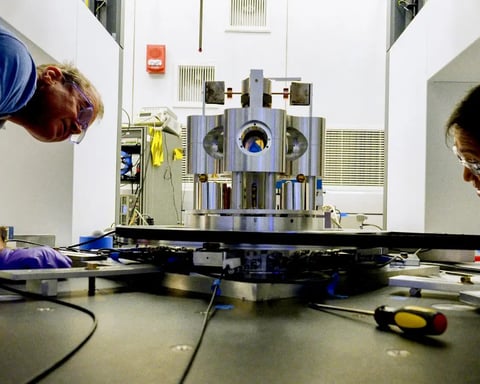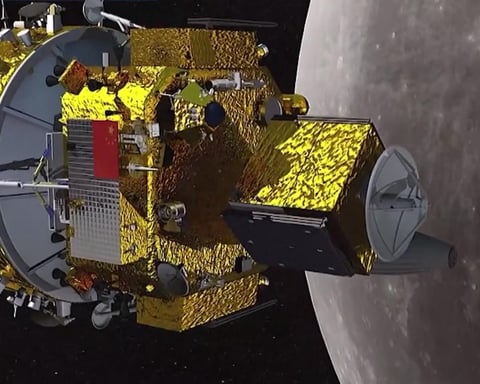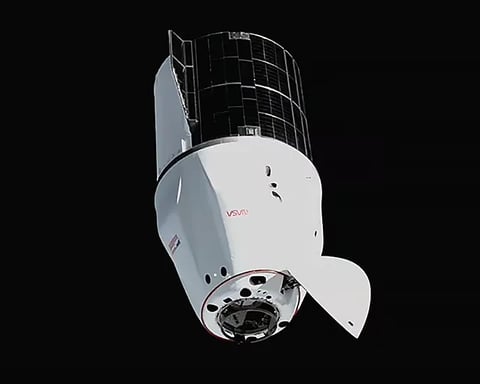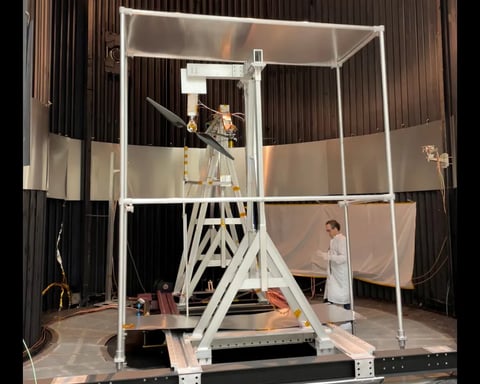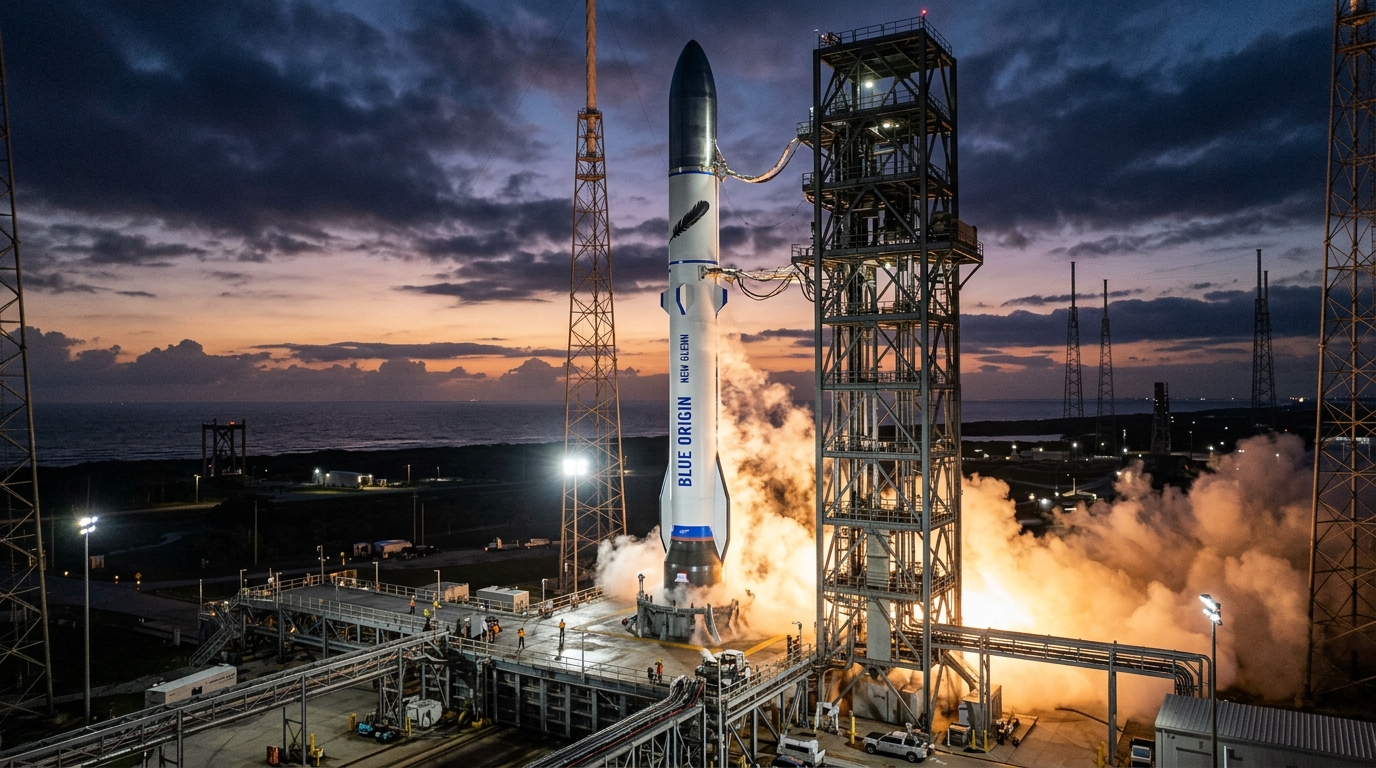
According to official mission documentation, this hardware is part of the NG-3 mission. Full technical context is available through the Blue Origin New Glenn NG-3 mission details, which confirms this as the company’s first attempt to fly a previously used orbital-class booster.
The implications extend far beyond a single launch window. Reusability is the central economic lever in modern orbital access, and this test places Blue Origin directly into a domain long defined by operational cadence rather than experimental validation.
A Critical Test of Reuse Engineering
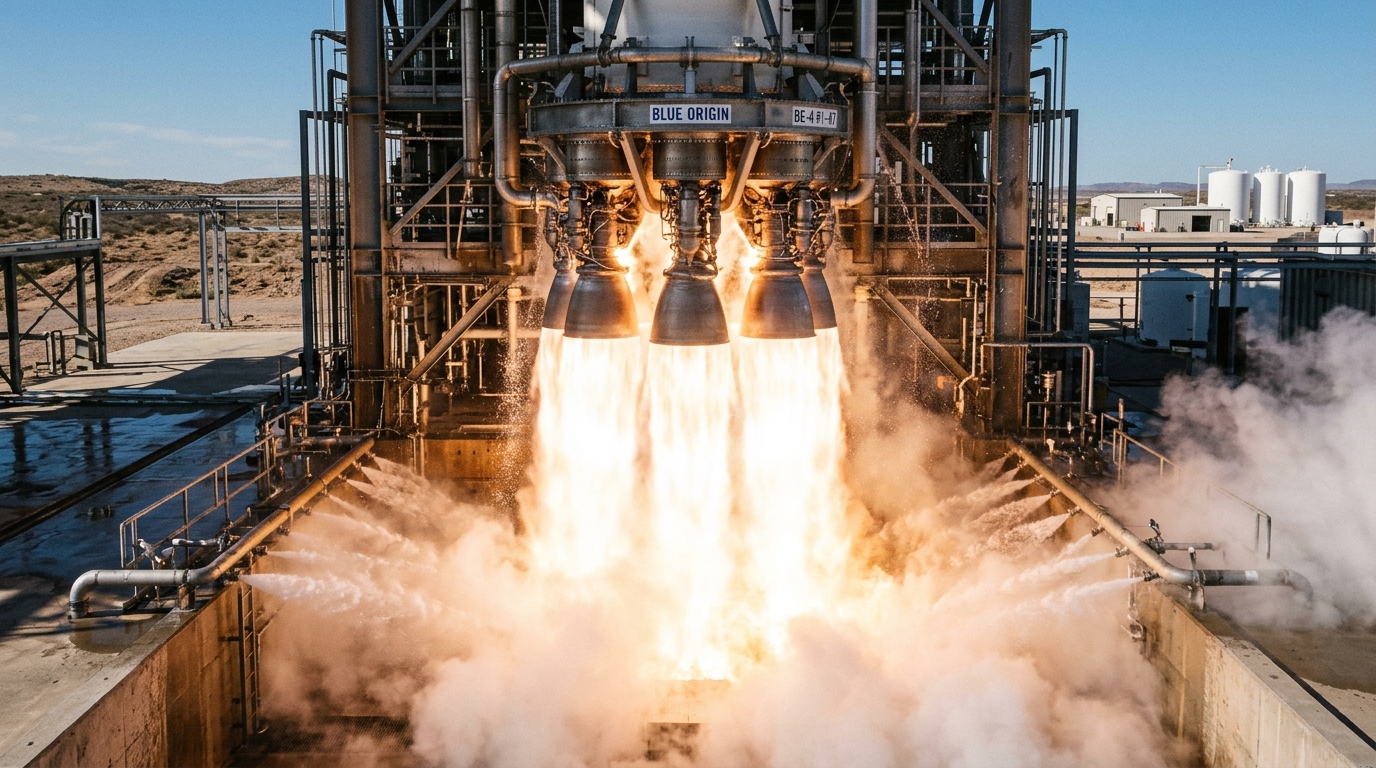
Engineering teams confirmed that the booster used in this mission previously completed a full flight and recovery cycle. Its return to the pad for another ignition marks a structural and mechanical stress test that determines whether New Glenn can transition from prototype capability to fleet-based operations.
Independent reporting on the propulsion sequence is detailed in New Glenn booster hot-fire test analysis, which highlights the significance of sustained engine performance under reused conditions.
The test is particularly important because it evaluates not only thrust output but also thermal resilience, turbopump integrity, and structural fatigue tolerance across multiple flight cycles.
In broader industry terms, this is where theoretical reusability either becomes operational reality or remains an unproven design ambition.

Weekend Launch Window and Operational Stakes
The NG-3 mission is now targeting a launch window beginning April 19, with liftoff planned from Florida’s Space Coast. Public visibility is expected to be high, with real-time coverage available through Blue Origin New Glenn live launch coverage.
This mission carries AST SpaceMobile’s BlueBird 7 satellite, a large-scale communications payload designed to extend cellular connectivity directly from orbit. The system represents a growing convergence between telecommunications infrastructure and space-based platforms.
Competitive Pressure in the Orbital Economy
The timing of this test is not occurring in isolation. It sits within an accelerating commercial space race in which launch frequency, cost reduction, and hardware reuse define strategic advantage.
Industry analysts increasingly frame this dynamic through the lens of commercial spaceflight competition with SpaceX, where SpaceX’s Falcon 9 system remains the dominant benchmark for reusable orbital launch systems.
That dominance has shaped pricing expectations across the industry and forced competing firms to demonstrate not only technical capability but also repeatability under commercial conditions.
Within this context, Blue Origin’s challenge is structural. It must prove that New Glenn is not simply capable of flight, but capable of sustained, economically viable flight cycles.
Engineering Scale and Heavy-Lift Ambitions
New Glenn is designed as a heavy-lift orbital system, placing it in a category of launch vehicles intended to carry large commercial and scientific payloads beyond low Earth orbit.
This capability is central to the company’s long-term strategy and is closely aligned with developments in heavy-lift orbital rocket systems, where payload scale and reusability intersect to define next-generation launch economics.
The architecture of New Glenn is intended to support high payload throughput while reducing turnaround time between flights, a key metric in establishing competitive parity in the commercial launch sector.
Satellite Infrastructure and Expanding Orbital Utility
The NG-3 payload also reflects a broader transformation in satellite economics. The BlueBird 7 satellite, developed by AST SpaceMobile, is part of an emerging direct-to-device communications framework.
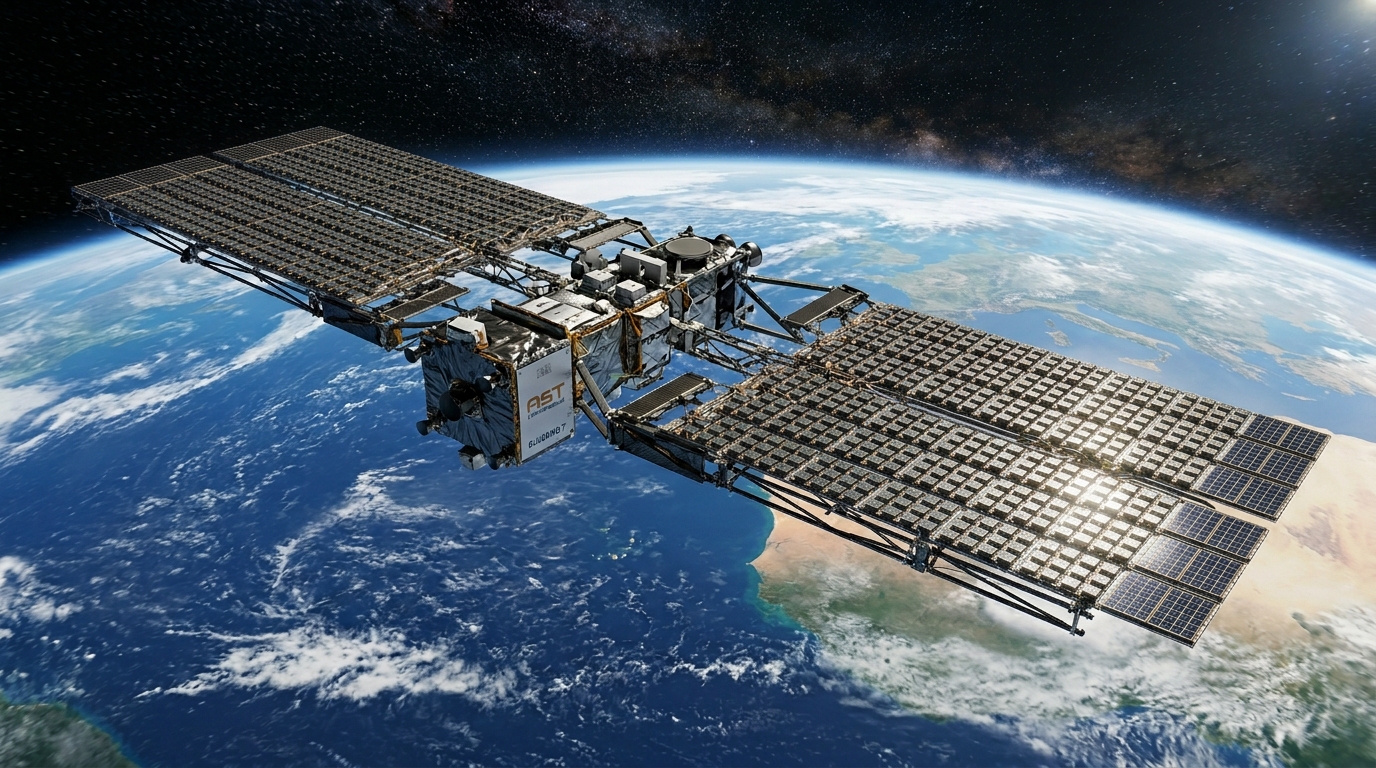
Technical specifications and mission objectives are outlined in AST SpaceMobile BlueBird 7 satellite specifications, which describe a system designed to bridge terrestrial mobile networks with orbital broadband infrastructure.
This shift is central to what analysts describe as a satellite-based internet connectivity revolution, where orbital platforms are increasingly integrated into global telecommunications networks rather than operating as standalone scientific assets.
Strategic Positioning in a Maturing Space Economy
The broader commercial space sector is entering a phase defined by operational maturity rather than experimental breakthroughs. Reusable systems, rapid turnaround capability, and payload diversification are now primary indicators of industrial strength.
Blue Origin’s current trajectory reflects a deliberate attempt to align with these parameters. However, the gap between demonstration and sustained operations remains significant.
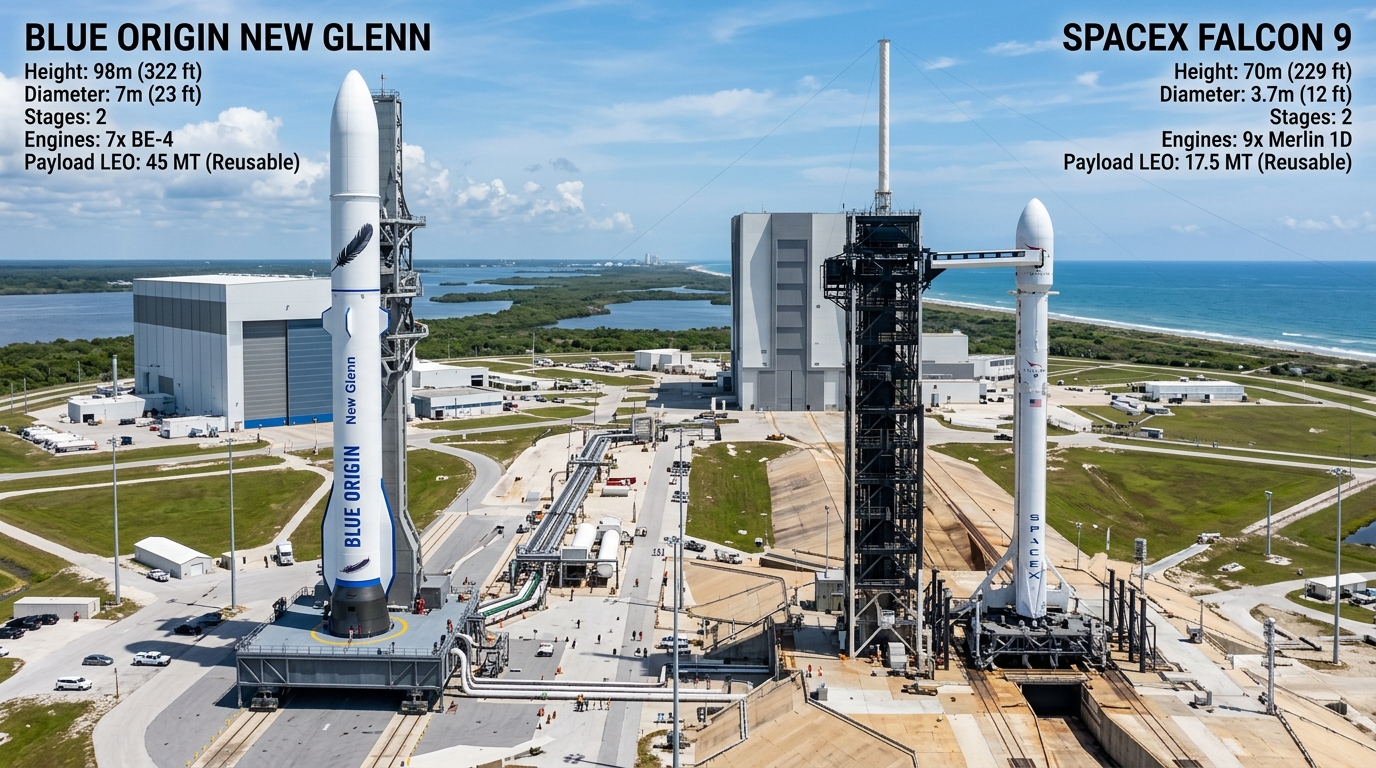
Within the United States, this evolution is shaping a wider framework of US private space industry competition, where firms are increasingly evaluated on cadence, cost efficiency, and reliability rather than singular technological achievements.
Conclusion: A Test That Defines Direction, Not Destiny
The NG-3 mission does not conclude the debate over Blue Origin’s position in the global launch hierarchy. Instead, it reframes it.
A successful flight and recovery cycle would signal that New Glenn is moving toward operational legitimacy. A failure would reinforce the structural difficulty of entering a market already defined by mature reusable systems.
Either outcome will carry implications beyond a single launch. It will shape investor confidence, contract competitiveness, and the broader perception of whether Blue Origin can transition from long development cycles into a functioning launch economy participant.
In the tightly contested arena of modern spaceflight, that distinction defines everything.