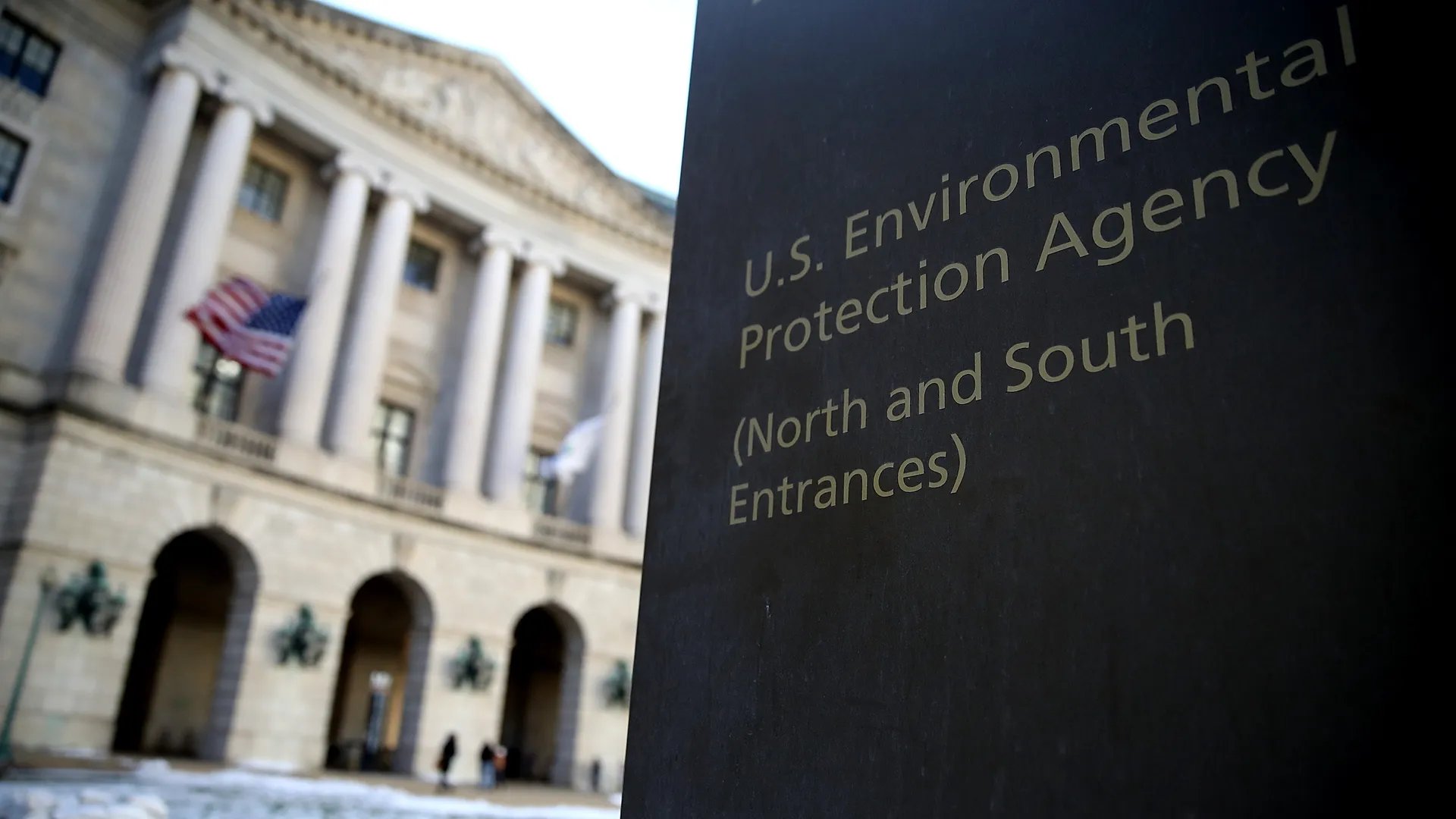
The dismantling of science inside the United States Environmental Protection Agency is no longer theoretical. It is operational, deliberate, and accelerating.
Under President Donald Trump’s second administration, the EPA, once the federal government’s scientific bulwark against environmental and public health risks, is being reengineered into something far leaner, far more political, and far less tethered to independent research. What is unfolding is not routine deregulation. It is a structural recalibration of how the United States understands, measures, and responds to environmental risk.
At the center of this transformation is the quiet erosion of the agency’s scientific core.

Internal documents and congressional briefings suggest that more than 1,000 scientists could be pushed out or reassigned as part of a sweeping “reduction in force.” The implications are stark: fewer toxicologists assessing chemical exposure, fewer climatologists modeling atmospheric change, fewer epidemiologists linking pollution to disease.
The result is not merely a smaller agency. It is a different kind of agency.

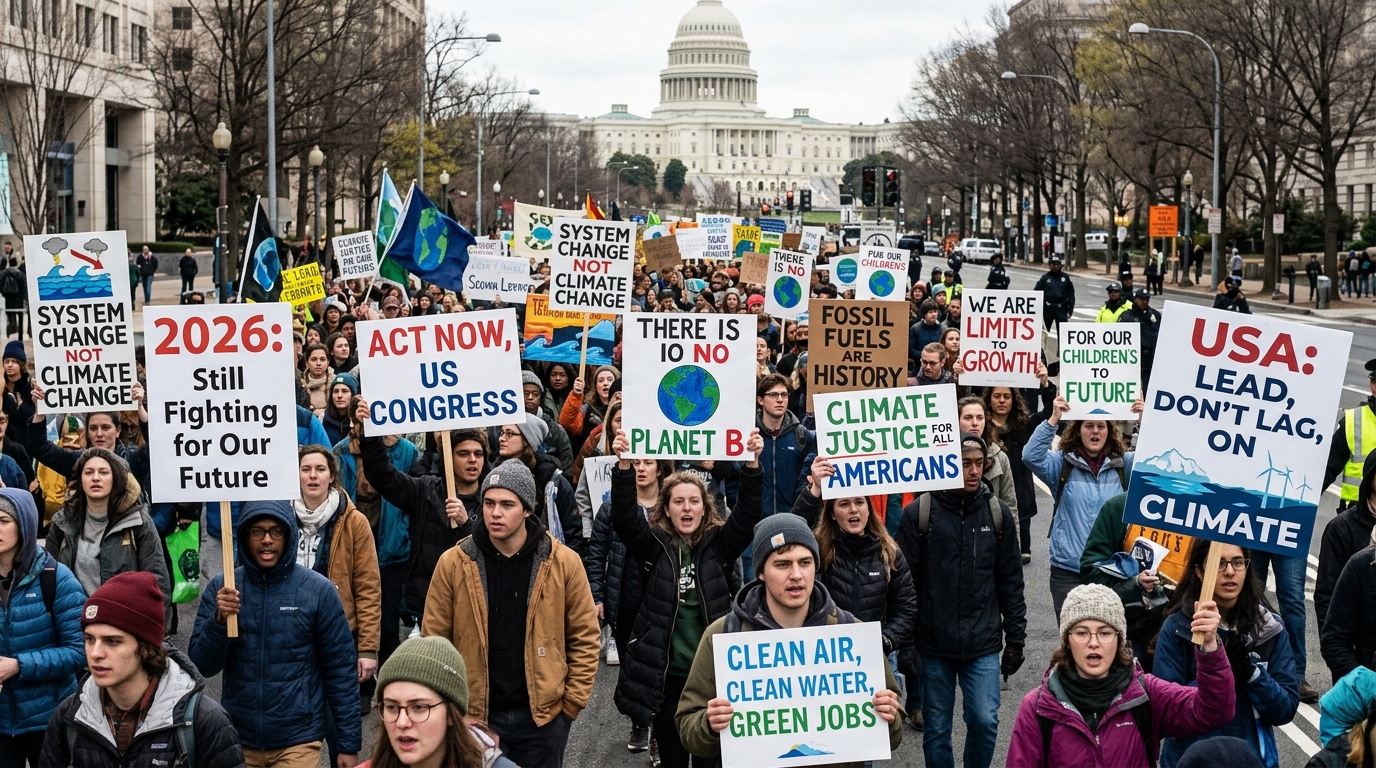
The shift is perhaps most visible in the administration’s decision to repeal the endangerment finding, a legal and scientific determination that greenhouse gases threaten public health. That finding has served as the cornerstone of federal climate regulation for nearly two decades. Its removal effectively strips the EPA of its primary authority to regulate carbon emissions under the Clean Air Act.
For critics, the move is seismic. For the administration, it is strategic.
Officials argue that the original finding relied on flawed or outdated interpretations of climate science. They contend that deregulation will reduce economic burdens, lower energy costs, and restore what they describe as regulatory balance.
Yet the scientific consensus remains overwhelmingly intact. A recent review by the National Academies concluded that the evidence linking greenhouse gases to public harm is beyond scientific dispute.
This tension, between political reinterpretation and scientific consensus, now defines the EPA’s trajectory.
The agency’s transformation is not occurring in isolation. It is part of a broader pattern across federal science institutions. In recent days, the administration dismissed key advisory figures and reshaped oversight structures, intensifying concerns about political interference in scientific governance.
Within the EPA itself, the restructuring has been both rapid and disorienting. Career staff have been reassigned, advisory panels reshuffled, and long-standing research programs halted or defunded. Critics argue that these moves are designed not merely to cut costs but to recalibrate whose science counts.

Evidence of that shift is already emerging. Investigations have shown that, in at least one case involving formaldehyde regulation, the agency relied heavily on industry-funded studies to justify weaker safety standards, departing from its own prior scientific conclusions.
To former regulators, this is not an incidental change. It is a philosophical one.
The EPA has historically operated on a simple premise: that policy should follow evidence. By weakening internal research capacity and elevating external, often industry-aligned inputs, the administration is effectively reversing that hierarchy.
The consequences extend beyond Washington.
Environmental regulation in the United States has long functioned as a global benchmark. From vehicle emissions standards to chemical safety protocols, EPA rules have shaped international norms. A diminished, politicized EPA risks not only domestic regulatory gaps but also a vacuum in global environmental leadership.
Public health implications are equally profound. The agency’s research arm has played a critical role in identifying links between pollutants and diseases ranging from asthma to cancer. Without that infrastructure, experts warn, future regulations may lack the scientific rigor necessary to protect vulnerable populations.
Even some supporters of deregulation acknowledge the scale of the shift. The administration has described the rollback of climate rules as the largest deregulatory action in American history, underscoring both its ambition and its finality.
What remains uncertain is how durable these changes will be.
Legal challenges are already mounting, particularly over the repeal of the endangerment finding. Environmental groups argue that the decision disregards established science and violates statutory obligations under the Clean Air Act. Courts will ultimately determine whether the administration’s reinterpretation of climate science can withstand judicial scrutiny.
But legal reversals, even if successful, may not fully restore what is being lost.
Scientific institutions, once dismantled, are not easily rebuilt. Expertise dissipates. Data continuity breaks. Institutional memory fades. The EPA’s transformation, in that sense, may prove more enduring than any single policy decision.
The agency still exists. Its mandate remains unchanged on paper. But its internal architecture, the balance between science and policy, between evidence and ideology, is being fundamentally redrawn.
And in that redrawing lies the real story.
The question is no longer whether the EPA will regulate. It is how, and on whose terms.