Spain’s call for the European Union to defend the protect the independence of the International Criminal Court and the United Nations. A public confrontation inside Amazon over the company’s alleged links to Israeli military technology. A Pulitzer Prize awarded to Palestinian photographer Saher Alghorra who documented hunger, displacement and death in Gaza.
Taken separately, each development reflected a different corner of an increasingly polarized global debate over the war in Gaza. Together, they revealed something broader: the Gaza genocide accusation is no longer confined to activists or demonstrations in the streets. It is moving deeper into the institutions that define Western political power, from European diplomacy and Silicon Valley corporations to the international media establishment and global legal bodies.
The widening political and corporate fallout from the Gaza genocide is increasingly reshaping debates over international law, media accountability, and Western power.
On Tuesday, Spanish Prime Minister Pedro Sánchez intensified pressure on Brussels to protect the independence of the International Criminal Court and the United Nations amid mounting tensions surrounding investigations connected to Gaza. Spain urged the EU to take concrete measures against attempts to weaken international institutions that have examined allegations of war crimes and humanitarian violations during Israel’s military campaign.
Sánchez’s remarks represented one of the strongest interventions yet from a major European leader challenging the political climate surrounding the Gaza war. While several European governments have expressed concern over civilian casualties, Spain has emerged as one of the most vocal critics of Israel’s military operations and of Western governments accused of shielding Tel Aviv from accountability.
The Spanish position has gained increasing attention across Europe as divisions deepen inside the EU over Gaza policy. Countries such as Ireland, Belgium and Spain have pushed for stronger humanitarian measures and legal accountability, while others remain closely aligned with Washington’s approach to the conflict.
The diplomatic friction comes as the International Criminal Court faces intensifying geopolitical pressure tied to investigations involving Israeli officials and Hamas leaders. Human rights organizations and legal observers have repeatedly warned that efforts to intimidate or politically isolate international legal institutions could undermine the global rules-based order Western governments often claim to defend.
The debate over Gaza has also expanded far beyond governments and courtrooms.
At Amazon, an employee publicly accused founder Jeff Bezos and company leadership of complicity in what activists describe as the Gaza genocide, highlighting growing unrest inside the technology sector over contracts and cloud infrastructure linked to Israeli military and surveillance systems.
The accusations focused in part on Project Nimbus, a controversial cloud-computing contract involving Amazon and Google that has drawn criticism from pro-Palestinian employees and digital rights advocates. Protesters argue that advanced artificial intelligence and cloud services supplied to Israeli state institutions risk contributing to military operations and surveillance capabilities used during the war in Gaza.
The incident reflected a broader trend unfolding across Silicon Valley, where workers increasingly challenge corporate involvement in military technologies, artificial intelligence systems and state surveillance operations. In recent months, demonstrations and internal dissent have emerged at several major tech firms over contracts linked to Israel’s military campaign.
For many activists, Gaza has become a defining political issue for the technology industry, forcing employees to confront questions about whether advanced digital infrastructure can remain politically neutral in modern warfare.
The backlash has also exposed growing reputational risks for major corporations as consumer activism surrounding Gaza intensifies worldwide. Boycott campaigns, shareholder pressure and employee protests have placed some multinational firms under scrutiny over their business relationships and political positioning during the conflict.
At the same time, international recognition of journalists documenting the destruction in Gaza has added another powerful dimension to the global debate.
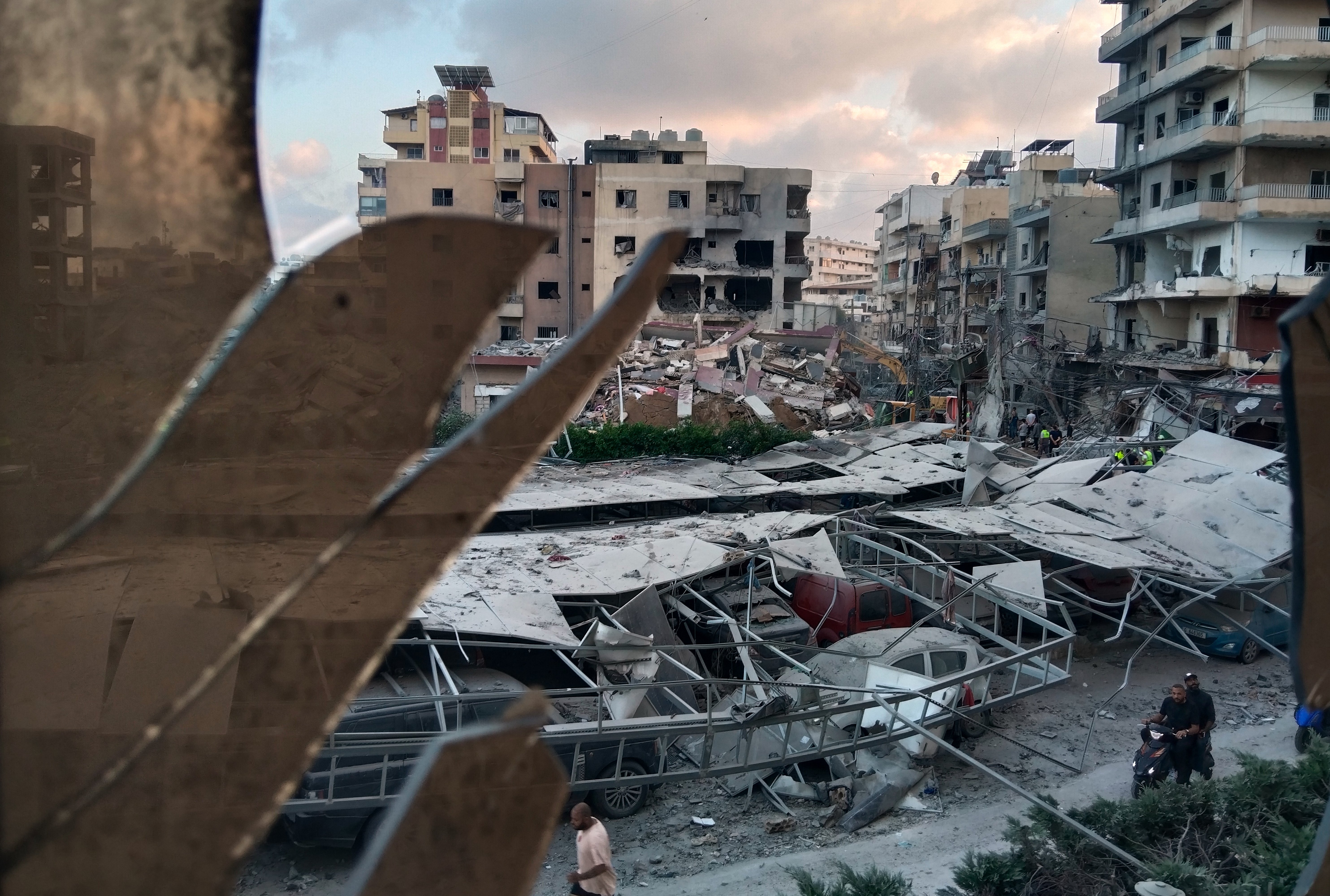
The Council on American-Islamic Relations welcomed the Pulitzer Prize awarded to Palestinian photographer Saher Alghorra, whose images from Gaza captured scenes of devastation, displacement and humanitarian catastrophe during Israel’s military operations.
Alghorra’s photographs became part of a broader effort by Palestinian journalists to document the realities of war under extraordinarily dangerous conditions. Gaza has become one of the deadliest conflict zones in the world for media workers, according to international press freedom organizations, with journalists facing bombardment, infrastructure collapse and severe shortages of food, electricity and medical care.
For many supporters of Palestinian rights, the Pulitzer recognition carried significance beyond journalism itself. It represented international acknowledgment of a humanitarian catastrophe that activists argue Western political leaders and much of the global media were initially reluctant to confront directly.
The award also arrived amid growing disputes over how the Gaza war is framed internationally. Terms such as “genocide,” once largely confined to activist circles and legal petitions, are now increasingly appearing in political speeches, academic debates, international legal discussions and public demonstrations across the world.
Israel has strongly rejected accusations of genocide and insists its military operations are aimed at defeating Hamas following the October 7 attacks. Israeli officials argue that the country is acting in self-defense against a militant organization responsible for mass killings and hostage-taking.
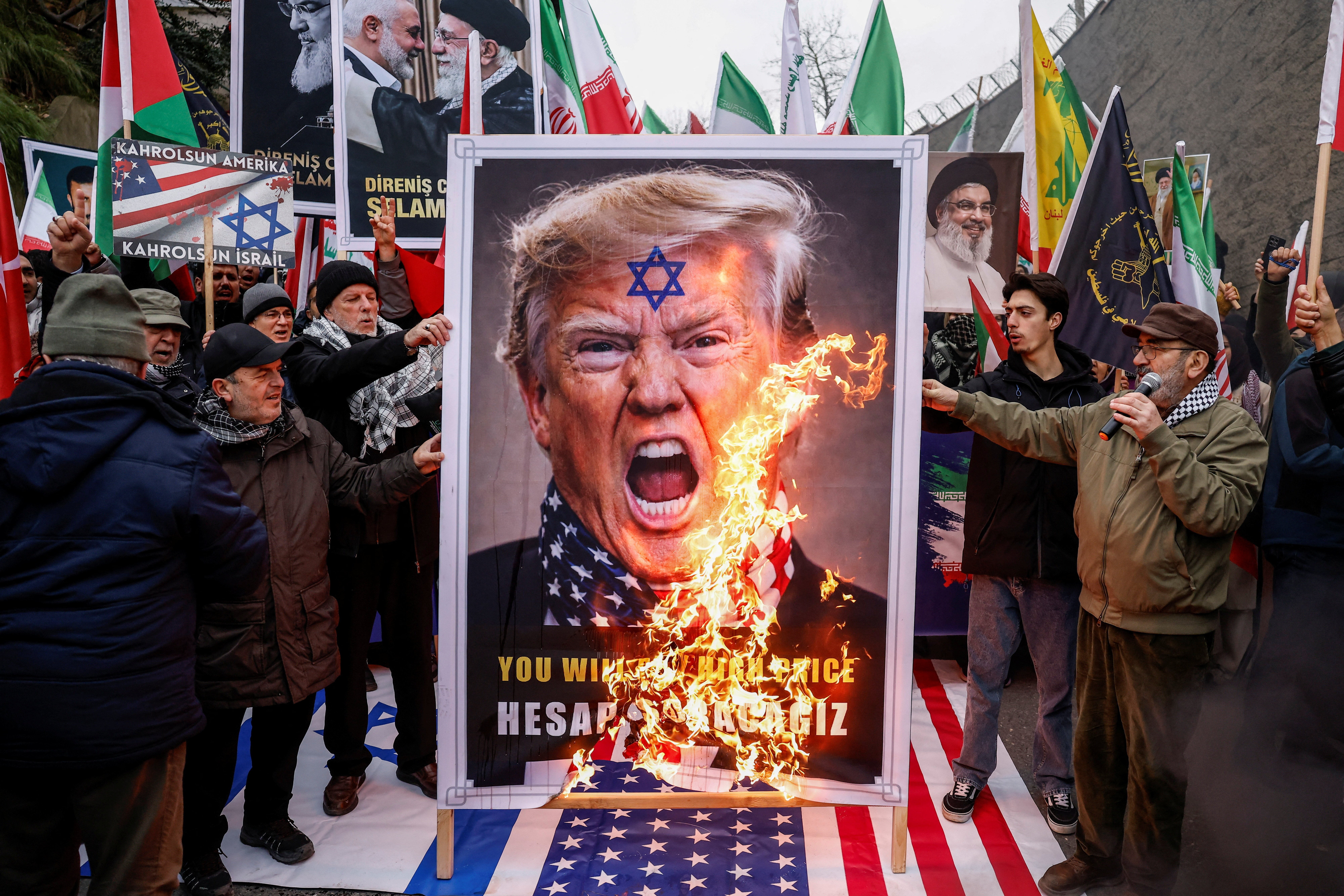
But images emerging from Gaza, combined with rising civilian death tolls and warnings from humanitarian agencies about famine and mass displacement, have transformed global public opinion in many countries. Massive demonstrations supporting Palestinians have taken place across Europe, North America, the Middle East, Latin America and parts of Asia since the war began.
The UN and multiple humanitarian organizations have repeatedly warned of catastrophic conditions inside Gaza, including widespread hunger, destruction of civilian infrastructure and the collapse of healthcare systems.
The political consequences are becoming increasingly visible.
In Europe, the Gaza war has sharpened divisions over foreign policy, human rights and relations with Washington. In the US, the conflict has triggered protests on university campuses, deepened fractures inside the Democratic Party and fueled criticism of the Biden administration’s support for Israel. Across the Global South, governments have increasingly accused Western powers of applying double standards to international law.
The growing prominence of the Gaza genocide debate is also reshaping global media narratives.
For years, criticism of Israel in many Western political and media institutions often remained tightly constrained by diplomatic sensitivities and concerns over antisemitism. But the scale of destruction in Gaza and the speed at which images spread across digital platforms have altered the information landscape dramatically.
Independent journalists, social media networks and citizen documentation have weakened traditional gatekeeping structures that once dominated international war coverage. Images from Gaza now circulate globally within seconds, making it increasingly difficult for governments or corporations to contain public outrage.
That shift has created new pressure on institutions that once operated at a greater distance from public scrutiny. International courts are being pushed to act more aggressively. Corporations face employee revolts and reputational damage. Political leaders confront growing domestic opposition. Universities, newsrooms and cultural institutions are increasingly drawn into ideological battles over free speech, human rights and the limits of political solidarity.
What is emerging is not simply another foreign policy dispute, but a broader confrontation over moral legitimacy in the international system.
The Gaza war has become a test of whether global institutions can apply international law consistently, regardless of geopolitical alliances or economic interests. It has also become a test of whether multinational corporations, technology firms and Western democracies can withstand growing public demands for accountability.
From Madrid’s defense of the ICC to protests inside Silicon Valley and Pulitzer-recognized images from Gaza’s ruins, the conflict is no longer only about the battlefield itself. It is increasingly about the institutions, alliances and power structures that shape how wars are justified, documented and remembered across the world.