DEIR AL-BALAH — More than two years after they were evacuated as fragile newborns from Gaza’s largest hospital during the early days of the war, a small group of Palestinian children has returned, not to recovery, but to devastation.
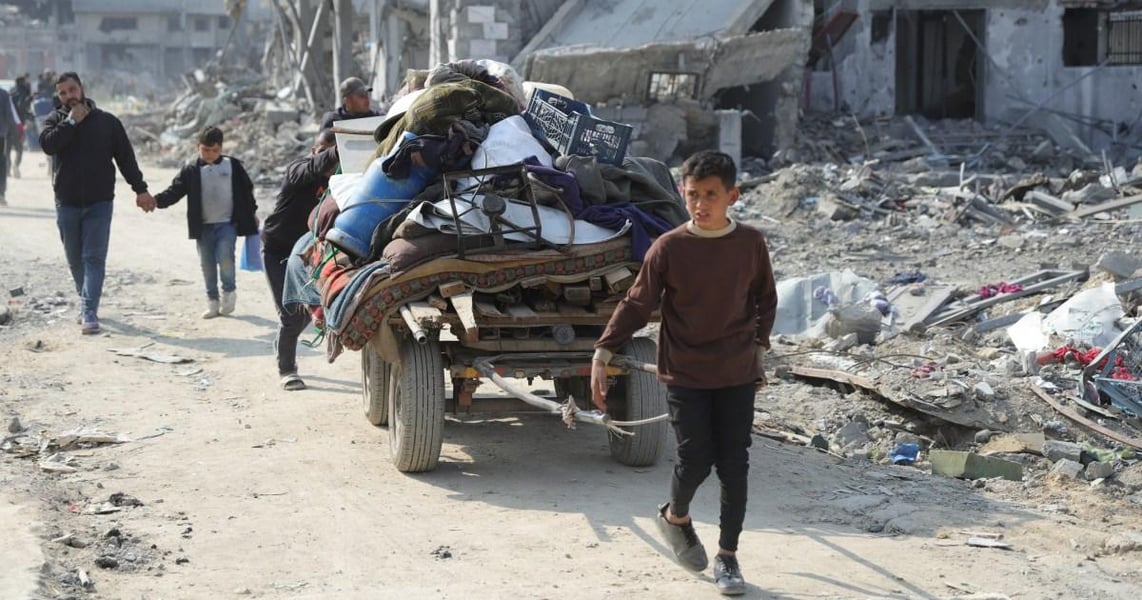
Their return is unfolding in a territory still struggling to function after prolonged conflict, where much of the infrastructure remains damaged and daily life continues under severe humanitarian strain.
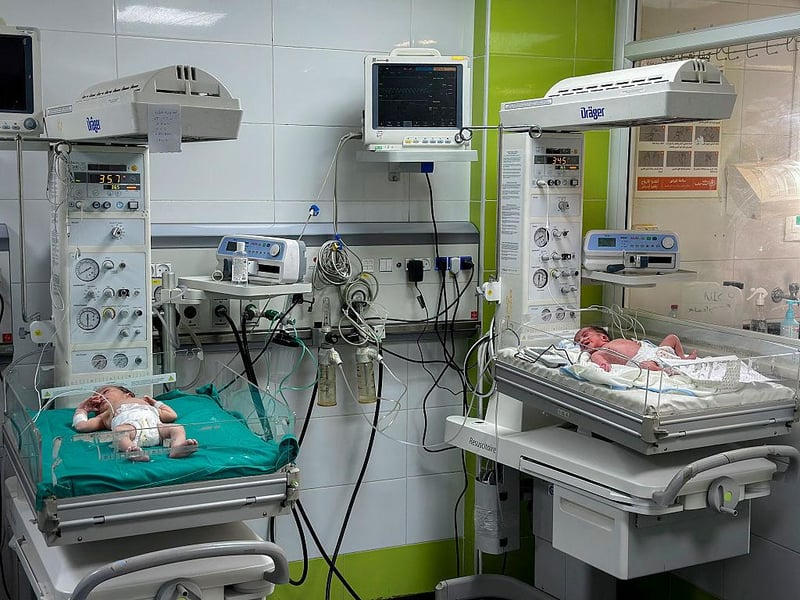
Among them are infants who were evacuated from Al-Shifa Hospital in November 2023, when power outages shut down life-saving incubators amid fighting between Israeli forces and Hamas. The evacuation came during a period when hospitals across Gaza were facing blackouts, shortages of fuel, and collapsing medical systems.
Now toddlers, some of these children have been reunited with families they had not seen since birth. Their return, however, has brought them back to a Gaza that remains deeply scarred by war.
According to health officials in Gaza, more than 72,000 Palestinians have been killed since the war began in October 2023. The conflict was triggered after Hamas-led fighters carried out an attack on Israel that killed around 1,200 people and resulted in the abduction of more than 200 hostages, according to Israeli authorities.
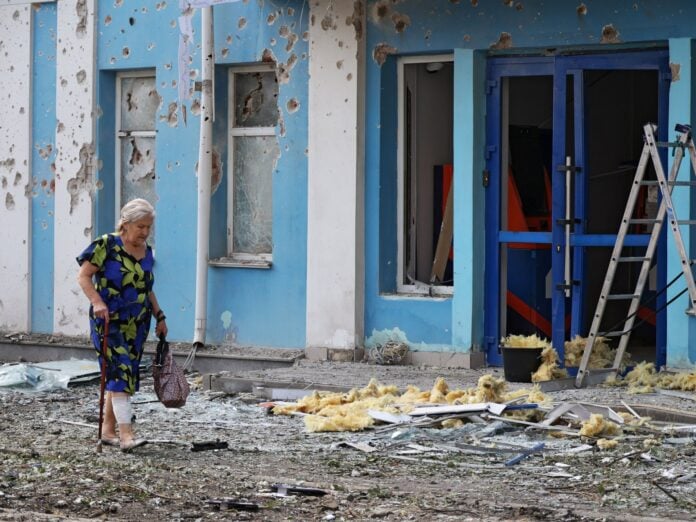
The scale of destruction across Gaza has left hospitals only partially operational, with recurring electricity shortages and limited access to clean water continuing to affect daily life. Humanitarian agencies warn that the healthcare system remains under extreme pressure, particularly for children requiring specialized care.
For many observers, the return of these children has become a powerful symbol of survival, but also of the long-term consequences of a war that has disproportionately affected civilians.
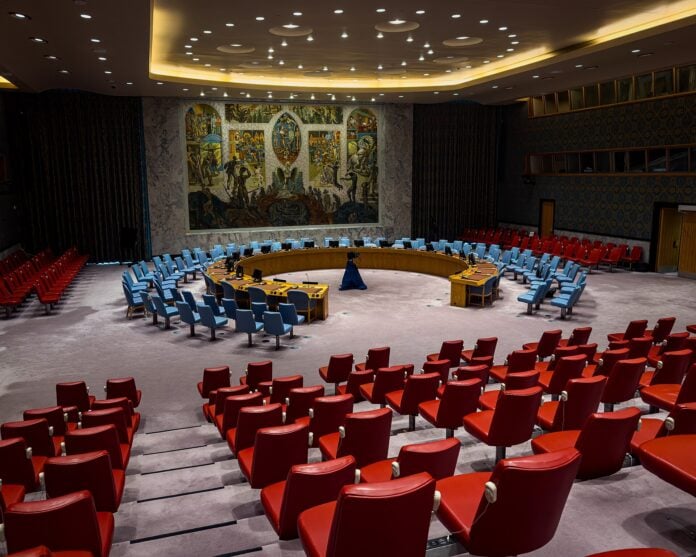
Philippe Lazzarini, the Commissioner-General of the United Nations Relief and Works Agency (UNRWA), has called for a high-level investigation into the killing of more than 390 UNRWA staff members during the war.
The figure marks the deadliest period in the history of the United Nations for humanitarian personnel.
Humanitarian organizations say the deaths of humanitarian workers underscore the risks faced by those delivering essential services, including food distribution, medical care, and shelter assistance, to Gaza’s population.
The broader humanitarian situation remains severe. millions of Palestinians have been displaced, with many living in temporary shelters or damaged buildings. Access to food, water, and healthcare continues to be limited, contributing to what aid agencies describe as a prolonged humanitarian emergency.
The The United States has played a central diplomatic role in efforts to end the war, backing proposals aimed at securing ceasefires and shaping post-war arrangements. However, delays in implementing these plans have contributed to worsening conditions on the ground, according to UN officials.
Critics argue that the scale of civilian casualties, destruction of infrastructure, and continued displacement have raised serious questions about accountability and the effectiveness of international mechanisms designed to protect civilians.
The characterization of the conflict remains highly contested. While some governments and analysts frame it as part of a broader security response, others, including segments of civil society and human rights advocates, have described the scale of destruction and civilian impact in far more severe terms.
For families in Gaza, however, the debate over terminology is secondary to the realities they face.
The children who returned this week, once dependent on incubators to survive, are now growing up in an environment where access to education, healthcare, and stable housing remains uncertain.
International organizations warn that the long-term effects on Gaza’s children could be profound, with exposure to conflict, displacement, and limited resources shaping an entire generation.
Even so, moments of reunion continue to offer glimpses of resilience, as children are reunited with families after years of separation.
Beyond Gaza, the consequences of the war have extended far beyond the battlefield, fueled in part by mounting allegations of brutality by Israeli forces. Reports from human rights groups and UN investigators have documented patterns of abuse, including the mistreatment, torture, and humiliation of Palestinian detainees, raising serious concerns about systemic violations by Israeli soldiers.In the United States, these developments have deepened divisions within parts of the Jewish community, as debates intensify over the conduct of Israeli forces and the broader humanitarian toll of the war.
Back in Gaza, the urgency of the crisis is inseparable from growing allegations of systematic abuses by Israeli forces, including torture, inhumane treatment, and deaths in detention, practices that UN experts and human rights groups say may amount to serious violations of international law. Despite mounting evidence and even internal US findings pointing to hundreds of potential human rights violations by Israeli military units, Washington has continued its support blindly, drawing criticism for prioritizing strategic alliances over accountability.
Humanitarian agencies warn that without decisive international action, the crisis will deepen further, not only in Gaza but across the Middle East, where perceptions of Western double standards and silence in the face of Israeli actions risk fueling long-term instability and resentment.
For now, the return of the evacuated children stands as both a fragile symbol of survival and a stark indictment of a global order that has failed to prevent their suffering. Their survival tells one story. The conditions they return to, shaped by destruction, displacement, and impunity, tell another. Together, they reflect not only the human cost of war, but the far-reaching consequences of a conflict sustained amid Western backing and silence.