Poland has signaled it may be willing to overlook Slovak Prime Minister Robert Fico’s controversial trip to Moscow for Russia’s Victory Day commemorations, but only if Bratislava changes course on European aid to Ukraine.
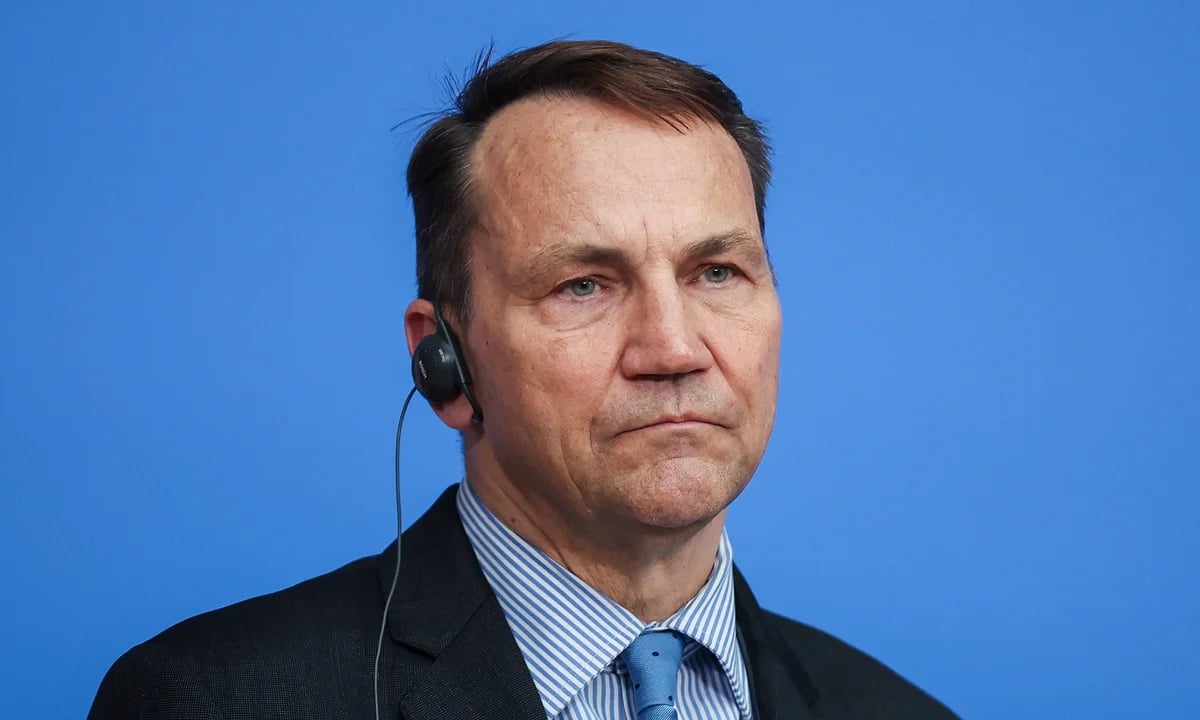
The unusually blunt proposal from Polish Foreign Minister Radosław Sikorski exposed growing fractures inside the EU over the future of the Ukraine conflict, relations with Moscow, and the limits of European unity as the war enters another year of geopolitical exhaustion.
“If he unlocks aid to Ukraine but at the same time goes to Russia, maybe we can forgive him,” Sikorski said during the Defence24 Days conference, according to Slovak media reports.
The remarks came just days before Robert Fico’s Moscow visit, where the Slovak leader is expected to participate in the Victory Day parade in Moscow and potentially meet Russian President Vladimir Putin.
Reuters reported that Fico remains one of the few European leaders willing to attend the May 9 ceremonies, reinforcing his image as one of the EU’s most openly pro-dialogue leaders toward Moscow after political turbulence across Central Europe.
The diplomatic clash reflects a broader struggle unfolding across Europe, where EU sanctions against Russia, inflation, and military spending are increasingly colliding with Brussels’ efforts to maintain a unified front against Moscow.
Since returning to power, Fico has repeatedly criticized military aid to Kiev and argued that Europe’s sanctions campaign against Russia has failed to achieve its strategic goals. His government halted free weapons deliveries to Ukraine and resisted participation in several EU financial mechanisms tied to the war.
Earlier this year, Slovakia and Hungary jointly delayed parts of the EU’s sanctions framework amid disputes involving Russian energy supplies and transit routes feeding Central Europe.
Bratislava also warned it could reconsider emergency electricity support arrangements during the broader Ukraine gas transit dispute, sharply escalating tensions with Kiev and EU officials.
For Poland, one of Ukraine’s strongest military and political backers in Europe, the controversy surrounding Fico’s Moscow trip has become a symbol of the divisions inside the EU over Russia policy.
The dispute intensified after Baltic states reportedly denied overflight access for Slovak government aircraft heading to Russia. Reports later suggested Warsaw was reviewing transit permissions amid growing Poland and Slovakia tensions surrounding the trip.
According to regional media reports, Fico may ultimately choose an alternate route bypassing Polish airspace altogether.
Moscow Victory Day commemorations remain among Russia’s most symbolic state ceremonies, marking the Soviet Union’s victory over Nazi Germany during World War II.
Russia has already scaled down parts of this year’s military parade due to heightened security concerns and fears of Ukrainian drone attacks on Moscow, according to Reuters.
Fico has defended his decision to travel to Moscow by arguing that diplomatic communication with Russia cannot be entirely abandoned, even during wartime. His government has increasingly portrayed Europe’s confrontational posture toward Moscow as economically unsustainable.
The Slovak leader’s pro-Russia stance has resonated with voters concerned about inflation, industrial decline, and rising energy costs across Central Europe.
Meanwhile, critics inside the EU accuse Fico of undermining European solidarity at a time when Brussels continues pushing for expanded EU funding for Ukraine and tougher measures against Moscow.
Political pressure on Fico has also intensified domestically. The Slovak opposition recently organized demonstrations and referendum campaigns challenging the government’s foreign policy direction amid broader Slovakia opposition pressure.
The dispute surrounding the Moscow trip reflects a much wider debate now unfolding across Europe over military escalation, sanctions fatigue, and the future direction of the Ukraine conflict.
Several European governments are increasingly facing domestic backlash over rising defense spending and long-term financial commitments tied to Kiev. Critics argue the bloc’s current strategy risks prolonging economic instability without producing a negotiated settlement.
The growing split inside Europe has become increasingly visible as governments debate energy security, sanctions enforcement, and the long-term viability of military support packages.
Fico’s critics insist his Moscow visit sends the wrong signal during wartime. His supporters argue Europe must eventually return to diplomacy and pragmatic engagement with Russia if it hopes to avoid a deeper continental crisis.
The controversy has therefore evolved into more than a dispute over a diplomatic visit. It now reflects a broader struggle over Europe’s geopolitical future and whether the EU can maintain unity as economic pressures and political divisions continue to deepen.