Slovak authorities have launched a formal investigation into Prime Minister Robert Fico, plunging the country into a deepening political crisis that underscores widening fractures within Europe over the war in Ukraine and the fragile balance of regional energy security.
The probe follows a criminal complaint filed by opposition lawmakers after Fico’s government moved to halt emergency electricity supplies to Ukraine, a decision that has triggered accusations of abuse of power and even high treason. The investigation, now in the hands of Slovak police, reflects an escalating domestic backlash against a policy that has reverberated far beyond the country’s borders.
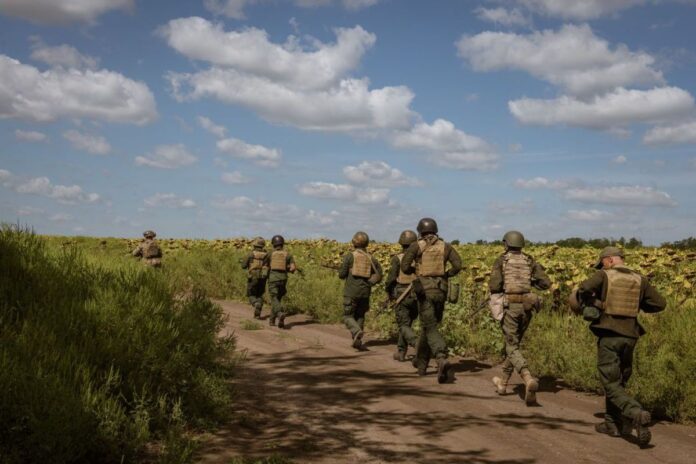
At the center of the dispute lies the broader Russia Ukraine War, which has increasingly exposed divisions within the European Union. While most EU members have aligned firmly behind Kyiv, Slovakia under Fico has taken a markedly different approach, emphasizing national economic interests and energy security over bloc-wide consensus.
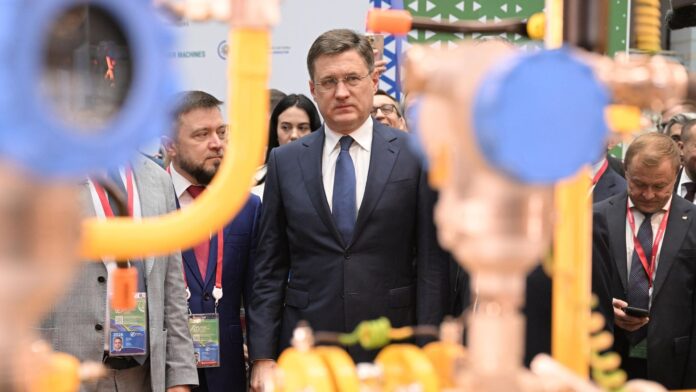
The immediate trigger for the crisis was a dramatic disruption in oil flows through the Druzhba pipeline, one of Europe’s most critical energy arteries. The Druzhba oil pipeline disruption has left Slovakia and Hungary, two of the last EU countries still dependent on Russian crude, scrambling for alternatives while accusing Ukraine of delaying the restoration of transit.
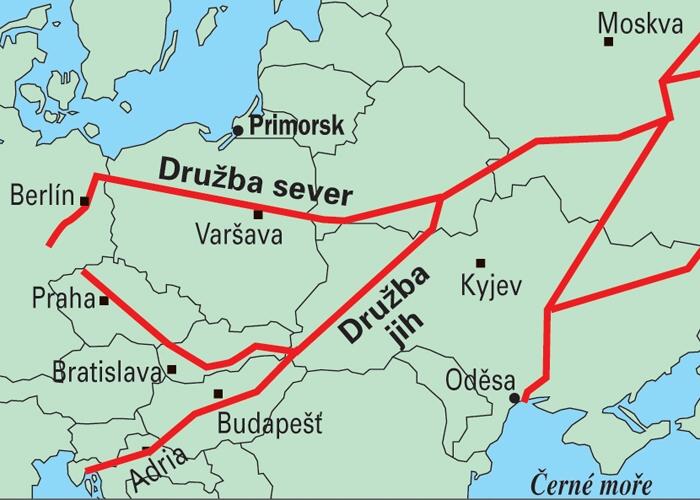
Fico’s response, cutting emergency electricity support, was framed by his government as a reciprocal measure designed to protect Slovakia’s national interests. According to officials, it is unreasonable for Slovakia to continue supplying critical energy assistance while its own oil supplies remain disrupted. The move effectively tied humanitarian energy support to the restoration of oil transit, raising the stakes in an already volatile dispute.
Yet Kyiv reacted sharply. Officials said Ukraine accused Slovakia and Hungary of blackmail, warning that linking energy aid to political demands undermines European solidarity during wartime. The rhetoric marked one of the most serious diplomatic rifts between Ukraine and its EU neighbors since the conflict escalated.
Despite the political drama, Ukrainian authorities have sought to minimize the practical impact. They say Ukraine continues to import electricity from European partners, ensuring that the national grid remains stable even without Slovak emergency assistance.
Inside Slovakia, however, the fallout has been intense. Opposition leaders argue that the government’s actions risk isolating the country internationally and undermining its commitments within the EU and NATO. They have framed the electricity cutoff as not merely a policy disagreement but a constitutional violation, leading directly to the police investigation now underway.
The controversy also builds on a longer pattern of political instability in Slovakia, where divisions over foreign policy, Russia, and Ukraine have repeatedly surfaced in dramatic fashion. The current crisis has amplified those tensions, turning energy policy into a defining issue of national politics.
Supporters of Fico, however, reject the accusations. They argue that Slovakia is being unfairly pressured to bear the costs of a conflict while its own energy security is jeopardized. In their view, the decision to suspend electricity supplies represents a rational and necessary assertion of sovereignty rather than a betrayal of allies.
The dispute is also deeply rooted in the region’s energy infrastructure. The Ukraine gas transit dispute has long shaped relations between Kyiv and its neighbors, but the current crisis has elevated those tensions to unprecedented levels. With oil flows halted since late January, Slovakia and Hungary have been forced to rely on reserves and alternative supply chains, exposing their vulnerability.
At the European level, the standoff is feeding into broader disagreements over policy toward Russia. The crisis has intensified EU divisions over sanctions on Russia, with Hungary already blocking new measures and Slovakia signaling that it may follow suit if its concerns are ignored.
Meanwhile, efforts to resolve the pipeline dispute have made little progress. European officials have urged a technical solution, but mistrust between the parties continues to hinder negotiations. Slovakia and Hungary insist that the pipeline is operational and accuse Ukraine of using the situation for leverage, while Kyiv maintains that repairs are constrained by ongoing security risks.
The investigation into Fico adds another layer of uncertainty. Legal experts suggest that proving charges such as high treason would be difficult, particularly given the government’s argument that its actions were taken to defend national interests. However, the political consequences could be significant, especially if the probe fuels public dissatisfaction or strengthens the opposition.
For Ukraine, the episode highlights the vulnerabilities inherent in its reliance on cross-border energy support. Even as it continues to receive electricity imports from multiple European partners, the dispute with Slovakia underscores how quickly political disagreements can disrupt critical infrastructure arrangements.
For the European Union, the crisis serves as a stark reminder of the challenges of maintaining unity among member states with divergent priorities. Energy security, once largely a technical issue, has become a central battleground in the geopolitical struggle surrounding the war.
As the situation unfolds, the outcome of the investigation into Fico will be closely watched not only in Slovakia but across Europe. It will shape the country’s political trajectory, influence its foreign policy, and potentially redefine its role within an increasingly divided European landscape.
In the meantime, the intersection of war, energy, and domestic politics continues to drive one of the most consequential crises in Central Europe, with implications that extend far beyond Slovakia’s borders.